A power shower can turn weak bathroom flow into a stronger, more satisfying spray. However, it only works properly with certain UK plumbing systems. Before buying one, you should check your water supply, hot-water storage, installation needs, and likely running costs.
Direct answer: A power shower mixes stored hot and cold water, then uses a built-in pump to increase flow. It suits low-pressure, gravity-fed systems with a hot-water cylinder and cold-water storage tank. It normally does not suit homes using a combi boiler or other mains-pressure hot-water systems.
| Key point | What UK homeowners should know |
|---|---|
| Best suited to | Gravity-fed hot and cold water systems |
| Main benefit | Stronger flow where normal shower pressure is weak |
| Water heating | Uses water already heated by your boiler or immersion heater |
| Built-in pump | Yes |
| Suitable for combi boilers | Normally no |
| Typical new installation | Around £550 on average in 2026 |
| Like-for-like replacement | Around £325 on average |
| Installation | Plumbing plus compliant electrical work may be required |
| Main drawback | Higher water and hot-water use than lower-flow alternatives |
Key takeaways
- Check your plumbing system before choosing a pumped shower.
- Gravity-fed systems are usually the best match.
- A combi boiler normally points towards a mixer or electric shower instead.
- Stronger flow can increase water and hot-water consumption.
- Installation costs vary greatly when new pipework or electrical work is needed.
- Thermostatic controls can improve temperature stability and household safety.
- Professional assessment is sensible when plumbing compatibility is unclear.
What Is a Power Shower and How Does It Work?
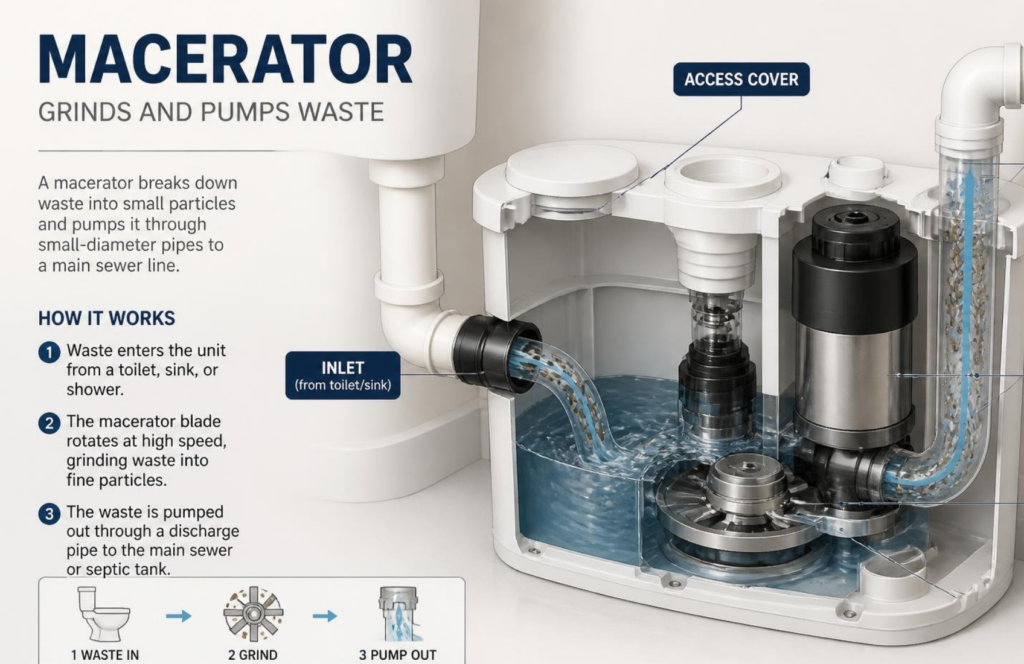
A power shower is essentially a mixer shower combined with an integral pump. Hot and cold water enter the unit before being mixed to your chosen temperature. The internal pump then increases the water flow before it reaches the showerhead.
It does not normally heat cold water inside the shower unit. Instead, it relies on hot water already stored in your cylinder. This difference separates it from an electric shower, which heats mains water on demand.
The design is particularly useful in older British homes with gravity-fed plumbing. These systems can deliver limited pressure when the storage tank sits only slightly above the showerhead. Adding a pump can produce a stronger and steadier spray without replacing the complete hot-water system.
Which UK Water Systems Suit One?
The ideal setup usually includes a cold-water storage tank and a separate hot-water cylinder. You may find the cold tank in your loft and the cylinder inside an airing cupboard. Water reaches bathroom outlets through gravity rather than full mains pressure.
If your home has this arrangement, a pumped shower can solve weak bathroom flow effectively. The stored supply also gives the unit both hot and cold feeds to mix. Your installer should still check tank capacity and available flow before recommending a model.
Homes with combi boilers work differently. A combi heats mains-fed water when you open a hot tap and does not need traditional storage tanks. Pumping that supply with a standard pumped shower is generally unsuitable, so another shower type is usually required.
Power Shower vs Electric Shower vs Mixer Shower
The three common shower types can look similar from outside. Their internal operation and plumbing requirements are quite different. Choosing according to your water system prevents costly installation mistakes.
| Shower type | Water source | Heats water itself? | Boosts flow? | Commonly suits |
|---|---|---|---|---|
| Power | Stored hot and cold water | No | Yes, built-in pump | Gravity-fed systems |
| Electric | Cold mains water | Yes | No | Most systems, including combi homes |
| Mixer | Existing hot and cold supplies | No | No, unless separately pumped | Good-pressure systems |
An electric shower takes a cold mains feed and heats water while you shower. This can be useful when stored hot water is limited. Its performance still depends partly on incoming mains flow and the unit’s electrical rating.
A conventional mixer simply blends the hot and cold supplies already available. It does not create extra pressure by itself. A separate shower pump can sometimes be added where the plumbing system allows one.
Can You Use a Power Shower With a Combi Boiler?
For a standard UK installation, you should generally treat the answer as no. Traditional pumped showers are designed around stored water and low-pressure gravity feeds. A combi boiler already works from a mains-fed system with different pressure characteristics.
If you have a combi, a thermostatic mixer is often the simpler option when mains pressure is adequate. An electric model can also work because it takes its own cold mains supply. The right choice depends on available flow, bathroom layout, and existing electrical capacity.
Don’t buy a pump just because the shower feels weak. Poor performance can come from restricted pipework, low incoming flow, blocked fittings, or another plumbing fault. A plumber can identify the cause before you spend money on the wrong equipment.
How Much Does Installation Cost in the UK?
Current UK trade estimates show substantial variation between a direct replacement and a completely new installation. MyJobQuote reports an average of about £550 for a new installation in October 2026. It puts a typical like-for-like replacement at around £325.
Checkatrade lists power-shower labour around £200 to £500, with an average near £350. Costs rise when installers must alter pipework, add electrical supplies, move equipment, or repair surrounding finishes. Location and product choice also affect the final quotation.
Treat published figures as budgeting guides, not fixed prices. A straightforward replacement may take only a few hours, while a new installation can take one or two days. Ask for an itemised quote covering the unit, plumbing, electrical work, testing, and making good.
Are They Expensive to Run?
The pump itself is usually not the biggest running-cost concern. Unlike an electric shower, it doesn’t use a large heating element to warm cold water instantly. Your boiler or immersion heater has already supplied the stored hot water.
The stronger flow can still increase household consumption. More litres passing through the shower means more water leaves the tank during each minute. Your heating system must then replace the hot water used.
Shower duration therefore matters as much as the pump. A strong spray used for fifteen minutes can consume considerably more water than a shorter wash. Households on water meters may notice that extra consumption more clearly.
What Should You Check Before Buying?
Start by identifying your water system rather than choosing a shower by appearance. Look for a hot-water cylinder and cold-water storage tank. If you cannot identify the setup confidently, ask a plumber before ordering equipment.
Next, think about stored-water capacity. A high-flow shower can empty a modest cylinder faster than a lower-flow fixture. Families taking several showers close together should consider recovery time and storage volume.
Consider the wider bathroom, not just the shower unit. Water-resistant surfaces, safe flooring, ventilation, and good maintenance all affect long-term usability. Readox’s bathroom flooring guide is useful when the shower forms part of a larger renovation.
Installation and Electrical Safety
Installing one involves water and electricity within a bathroom environment. That makes correct electrical design and positioning important. In England, the government’s Approved Document P states that new circuits and specified alterations in bathrooms must meet Part P of the Building Regulations.
Current rules treat certain areas around baths and showers as special locations. New circuits and specified alterations within these areas can be notifiable work. Using an appropriately qualified installer reduces uncertainty around compliance.
Plumbing also needs careful planning because pumps depend on a reliable water supply. Running a pump without adequate water can damage it. Correct pipe sizing, isolation valves, manufacturer clearances, and commissioning all matter.
Thermostatic or Manual Controls?
Manual models let you adjust the mixture until the water reaches your preferred temperature. They can be simple and cost-effective. Temperature may change more noticeably when another outlet affects the available supply.
Thermostatic models automatically regulate the mixed-water temperature. This can make showering more comfortable when household demand changes. It can also help when children or older family members use the bathroom.
A thermostatic model won’t fix an incompatible plumbing system. Compatibility still comes before controls, finish, or showerhead style. Check the manufacturer’s stated system requirements before buying.
Maintenance: Keeping Strong Flow Over Time
Limescale can restrict showerhead openings and gradually reduce spray quality. This is especially relevant in hard-water regions. Readox’s guide to white vinegar for cleaning explains safe approaches for suitable shower fittings and mineral deposits.
Always check the manufacturer’s cleaning instructions before using acidic products. Decorative finishes, stone, grout, seals, and other materials can react badly to unsuitable cleaners. Avoid soaking components unless their care instructions allow it.
Bathrooms also need enough ventilation to handle regular moisture. Persistent condensation can encourage mould around sealant, grout, walls, and ceilings. Readox’s mould remover guide explains why controlling the moisture source matters alongside surface cleaning.
Is a Pumped Shower Worth It?
It can be an excellent upgrade when weak gravity-fed flow is the actual problem. You gain a stronger spray without replacing the complete domestic hot-water system. Thermostatic versions can also add better temperature control.
The disadvantages are worth considering before committing. Higher flow usually means greater water consumption and faster use of stored hot water. You also have another mechanical component that may eventually require maintenance or replacement.
For homes with combi boilers or strong mains-fed systems, another shower type is normally more logical. Spending money on a pump that does not suit the plumbing will not solve the underlying issue. System compatibility should decide the purchase before styling or brand.
Frequently Asked Questions About Power Showers
What is a power shower?
It mixes stored hot and cold water and uses an integrated pump to increase flow. It is mainly intended for low-pressure gravity-fed plumbing systems. Unlike an electric shower, it does not normally heat incoming water itself.
Does a pumped shower increase water pressure?
Its pump increases the flow delivered through the shower from a suitable low-pressure supply. This creates the stronger spray people associate with pumped models. It does not increase the mains pressure throughout your entire house.
Can I use one with a combi boiler?
A conventional model is generally unsuitable for a combi boiler. Combi systems supply hot water directly from the mains rather than stored tanks. A compatible mixer or electric shower is normally a better option.
How much does installation cost?
Recent 2026 UK estimates place a new installation around £550 on average. A straightforward replacement can cost less because existing services may already be suitable. Complex pipework, electrical work, tiling, and regional labour rates can increase the price.
Is an electric shower the same thing?
No, because the two units perform different jobs. An electric shower heats cold mains water inside the unit. A pumped model uses previously heated stored water and increases its flow mechanically.
Do I need a professional installer?
Professional installation is sensible because the work can involve both plumbing and bathroom electrics. Electrical work must comply with applicable UK rules. A qualified installer can also confirm that the water system and stored supply suit the chosen unit.
The Bottom Line
A pumped shower makes most sense when your home has weak gravity-fed pressure and stored hot water. In that situation, the built-in pump can provide a noticeable improvement without redesigning the whole plumbing system. The same product may be completely unsuitable in a combi-boiler home.
Check your water system first, then compare flow rate, thermostatic controls, installation requirements, and running costs. Budget for professional work where plumbing or electrical changes are required. That approach gives you a better chance of gaining stronger flow without creating an expensive compatibility problem.