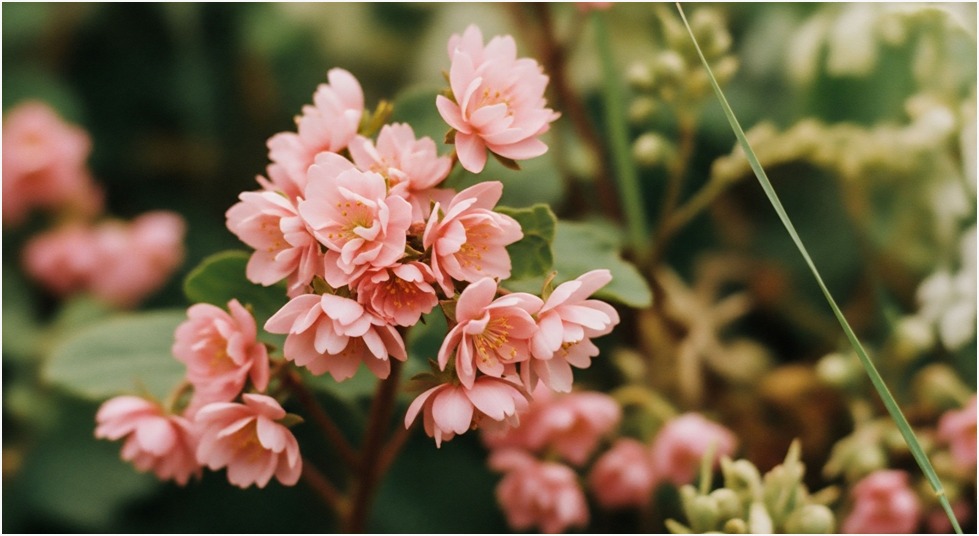
Flowers still matter in a digital world because they do what a message cannot: they arrive as something physical, they fill a room with colour and scent, and they stay in view for days as a reminder that someone was thought of. A text is read in seconds; a bouquet is looked at every morning for a week. That is why, even with so much of life happening on screens, sending flowers remains one of the simplest and most effective ways to mark a moment, say sorry, celebrate or show support.
Technology has not replaced flowers so much as made them easier to send well. Below we look at why they still carry so much meaning, how to choose the right arrangement, how UK flower delivery works, and how to make a bouquet last.
Why a physical gift stands out
Most of our daily communication is instant and disposable. Messages scroll away, and even heartfelt emails are quickly buried. A physical gift that needs a little care, trimming stems, topping up water, finding the right spot on a table, invites the recipient to slow down and engage with it. Researchers have looked at this too: a frequently cited 2005 study from Rutgers University reported that people receiving flowers consistently responded with genuine smiles and reported better mood in the days that followed. You do not need a study to know the feeling, though. Opening the door to an unexpected delivery is a small, memorable event in an ordinary week.
A bouquet is also a message in itself. The colours, the variety and even the size say something about how well you know the person. A carefully chosen arrangement shows attention in a way a generic gift card rarely does.
How technology changed sending flowers
Ordering flowers used to mean walking into a shop or phoning a florist and hoping for the best. Now you can browse photographed arrangements, check what is in season, choose a delivery date, add a personal card message and track the order. If you want to surprise someone across the country, a reliable flower delivery UK service makes the difference between a tired bunch and a fresh arrangement that looks just like the picture.
The main types of service you will come across are:
| Service type | How it works | Best for |
|---|---|---|
| Independent florist | Arrangement made by hand and delivered locally or by courier | Personal, creative designs and special occasions |
| Florist network | Your order is passed to a member florist near the recipient | Same-day delivery to many areas |
| Direct-to-door national brand | Flowers boxed and sent by courier | Planned gifts, consistent designs |
| Letterbox flowers | Flat box that fits through a standard letterbox; recipient arranges them | When no one may be home |
| Subscription | Regular deliveries weekly, fortnightly or monthly | Treating yourself or long-term gifting |
Choosing the right flowers
The most thoughtful bouquets reflect the person rather than a formula. Many people are moving away from the automatic dozen red roses towards arrangements with more character. A few questions help:
- What is their style? Someone with minimalist décor may prefer a few sculptural stems; a cottage-garden lover may enjoy a loose, wild arrangement.
- Do they have favourite colours or scents? A passing comment about loving sweet peas or jasmine is worth remembering.
- Any practical concerns? Lilies are highly toxic to cats, so avoid them for cat owners. Strongly scented flowers may not suit hospital wards or people with sensitivities; many hospitals no longer accept flowers at all, so check first.
- What is the occasion? Bright, mixed colours suit celebrations; white, cream and soft greens are traditional for sympathy.
Design details that make a difference
- Contrasting petal shapes, such as round roses with spiky veronica, create depth.
- Foliage like eucalyptus, pittosporum or ruscus is no longer just filler; it gives modern designs their structure.
- Stem length should suit the vase, from tall cylinders to small bedside jars.
- A hand-tied bouquet delivered in water (an “aqua pack”) can go straight into a vase and stays fresh on the journey.
Seasonal flowers in the UK
Choosing what is in season usually means fresher flowers, better scent and longer vase life. Many florists import year-round favourites, but seasonal British stems are worth asking for.
| Season | Flowers to look for |
|---|---|
| Spring | Tulips, daffodils, ranunculus, anemones, hyacinths, blossom branches |
| Summer | Peonies, sweet peas, garden roses, hydrangeas, cornflowers, delphiniums |
| Autumn | Dahlias, chrysanthemums, asters, rose hips, berries, autumn foliage |
| Winter | Amaryllis, hellebores, anemones, pine, eucalyptus, rosemary and other scented foliage |
If you enjoy flowers enough to grow your own, our guides to gardening in raised beds and sustainable automatic watering can help you plan a cutting patch.
Flowers for different occasions
| Occasion | Suggested style | Popular choices |
|---|---|---|
| Birthday | Bright, cheerful, mixed colours | Gerberas, sunflowers, tulips, mixed seasonal stems |
| Anniversary or romance | Lush and elegant | Garden roses, peonies, ranunculus |
| New baby | Soft pastels, gentle scent | Sweet peas, spray roses, hydrangeas |
| Get well soon | Light, fresh, low scent | Tulips, alstroemeria, or a potted plant |
| Sympathy | Calm whites, creams and greens | White roses, chrysanthemums, lisianthus |
| Thank you | Relaxed, seasonal | A hand-tied bunch of whatever is in season |
What to write on the card
The card message is where the digital and the physical meet, and it is often the part people keep. Short and specific works best. Mention the occasion or a shared memory, use the name they call you by, and avoid generic phrases if you can. For a birthday, a line about something you are looking forward to doing together feels warmer than “Happy birthday, best wishes”. For sympathy, simple wording such as “Thinking of you and your family” is kinder than trying to find the perfect sentence. If you are sending flowers to say sorry, a brief, sincere apology without excuses lands better than a long explanation. Most online florists let you preview the message before paying, so check spelling and names carefully.
Getting delivery right
- Check cut-off times. Same-day delivery usually requires ordering by a set time in the morning or early afternoon, and it varies by florist and postcode.
- Order early for peak dates. Valentine’s Day and Mother’s Day are the busiest days of the year for florists, so book several days ahead.
- Think about who will be in. Sending to a workplace or choosing letterbox flowers avoids bouquets being left outside.
- Add delivery notes. Include a phone number and a safe place, especially for flats.
- Write a proper message. A short, personal card note often means as much as the flowers themselves.
How to make a bouquet last
- Cut stems at an angle with a sharp knife or scissors before putting them in water, and again every few days.
- Remove any leaves that would sit below the water line.
- Use the flower food supplied, and change the water every two to three days.
- Keep the vase away from direct sunlight, radiators and draughts.
- Keep flowers away from fruit bowls, as ripening fruit gives off ethylene gas that speeds up wilting.
- Remove fading stems so they do not shorten the life of the rest.
More sustainable flower giving
The flower industry is gradually changing. More florists now avoid single-use plastic wrap and floral foam, which contains microplastics, and use paper, compostable wraps and reusable techniques instead. British-grown flowers in season avoid heated glasshouses and long-distance air freight. If sustainability matters to the person you are sending to, ask the florist about their sourcing and packaging. Once the flowers are over, most of the arrangement can go into a compost bin or garden waste collection.
Frequently asked questions
Why do people still send flowers?
Flowers are a physical, visible gesture that lasts for days. They express feelings that are hard to put into words and stand out in a world of instant digital messages.
How long do fresh flowers usually last?
Most bouquets last around a week with good care, and some varieties longer. Trimming stems, changing water and keeping them cool all help.
What flowers should I avoid sending to cat owners?
Avoid lilies. All parts of the plant, including pollen, are highly toxic to cats. Ask the florist to leave them out.
Can I get flowers delivered the same day in the UK?
Often, yes. Many florists offer same-day delivery if you order before their daily cut-off time, although availability depends on the postcode.
What are letterbox flowers?
They are flowers packed in a slim box that fits through a standard letterbox, so they can be delivered even when no one is home. The recipient trims and arranges them.