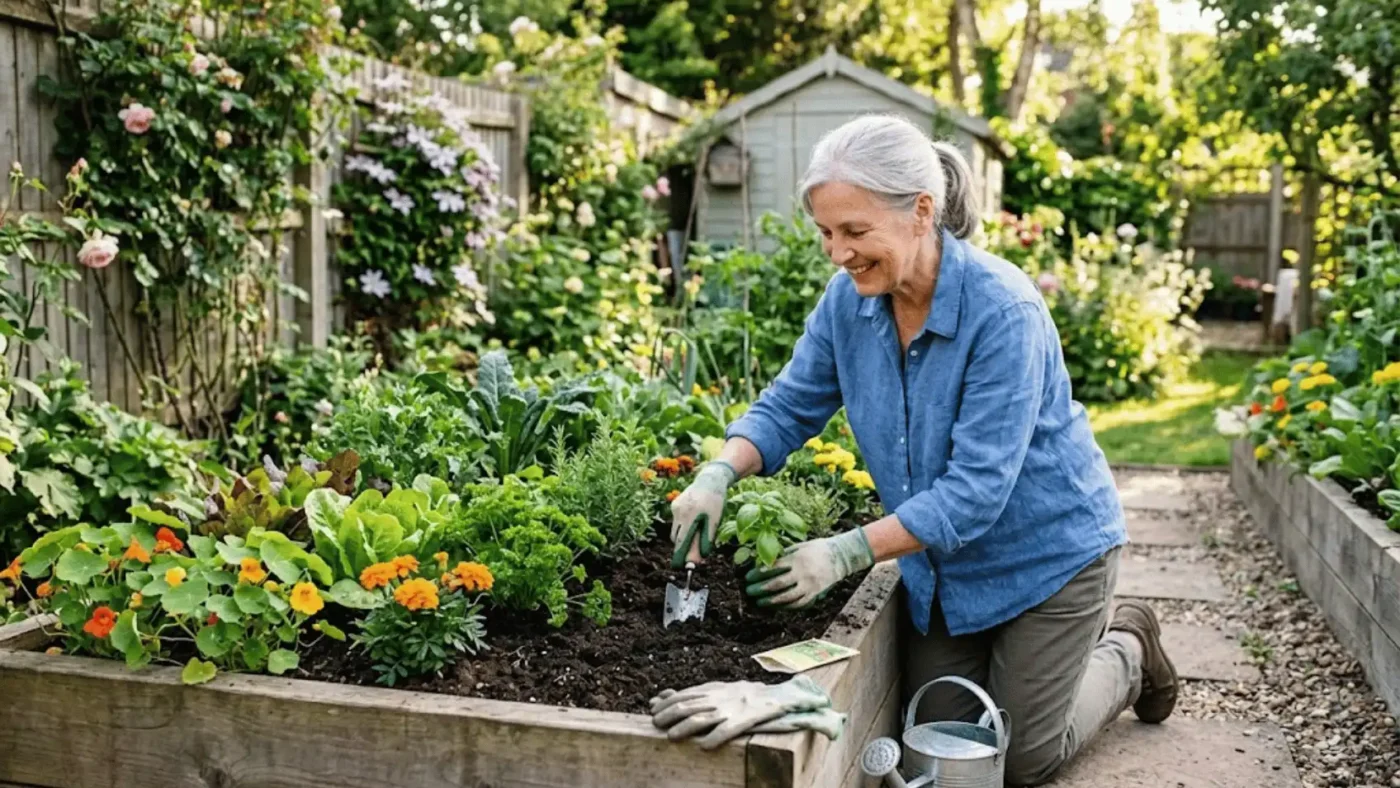
Gardening can be a rewarding way to spend time outdoors, grow fresh produce, and create a more attractive space around your home. However, traditional gardening methods can sometimes involve difficult soil, poor drainage, weeds, and uncomfortable bending. Gardening raised beds offer a practical alternative by creating defined growing areas that can be easier to organize, maintain, and adapt to different plants.
Whether you are an experienced gardener or just starting out, raised beds can provide greater control over the growing environment. With thoughtful planning, they can be used for vegetables, herbs, flowers, and many other plants.
Better Control Over Growing Conditions
One of the main advantages of raised beds is the ability to control the soil used for growing. Instead of relying entirely on the existing ground, gardeners can fill their beds with a suitable mixture of topsoil, compost, and other organic materials.
This can be especially useful when the natural soil in a garden is compacted, sandy, heavy with clay, or lacking organic matter. Creating a dedicated growing area makes it easier to improve soil quality and maintain it over time.
Gardeners can also add compost or other appropriate amendments as needed. This allows the soil to be managed according to the needs of the plants rather than requiring extensive work across the entire garden.
Improved Drainage
Excess water can create problems for many plants. When soil remains saturated for too long, plant roots may struggle to receive enough oxygen, while certain diseases can become more likely.
Raised beds can help improve drainage because their growing soil is elevated above the surrounding ground. When the bed is properly constructed and filled with suitable soil, excess water can move away more effectively.
Good drainage does not mean that plants should be allowed to dry out. Regular monitoring is still important, particularly during periods of hot or unusually dry weather. The goal is to create a balanced growing environment where plants receive adequate moisture without remaining waterlogged.
Easier Garden Organization
Raised beds naturally divide a garden into clearly defined sections. This makes it easier to organize plants according to their needs and keep track of what has been planted.
For example, one bed could be dedicated to herbs, another to salad vegetables, and another to flowering plants. Gardeners can also rotate crops between beds from season to season where appropriate.
Defined planting areas can make a garden look more structured while reducing the temptation to walk across growing soil. Avoiding unnecessary foot traffic helps prevent soil from becoming compacted and protects plant roots.
More Comfortable Maintenance
Traditional ground-level gardening often requires frequent bending, kneeling, and reaching. Depending on the height and design of a raised bed, gardening tasks can become more comfortable.
Weeding, planting, watering, and harvesting may be easier when plants are positioned at a more accessible height. This can be particularly helpful for gardeners who find prolonged bending uncomfortable.
Raised beds can be designed at different heights, although taller structures generally require more materials and careful construction. Choosing a practical height based on the gardener’s needs can make regular maintenance more manageable.
A Useful Option for Small Gardens
Raised beds are not limited to large properties. They can work well in smaller gardens where available space needs to be used efficiently.
A compact raised bed can be positioned in a suitable sunny location and planted intensively with compatible crops. Multiple smaller beds can also be arranged around pathways, creating separate growing zones without requiring a large area of open ground.
For patios, courtyards, and other limited spaces, appropriately designed raised planters can provide opportunities to grow plants where traditional garden beds may not be practical.
Choosing the Right Materials
The material used to construct a raised bed can affect its appearance, durability, and maintenance requirements. Timber is a popular choice because it can provide a natural appearance and is relatively straightforward to work with.
Other options include metal, stone, brick, and composite materials. The best choice depends on the garden’s style, budget, expected lifespan, and environmental conditions.
Regardless of the material, the structure should be stable and suitable for holding the weight of the soil. Gardeners should also consider whether the material is appropriate for use around edible plants.
Planning for Long-Term Success
A successful raised-bed garden starts with planning. Consider sunlight, access to water, drainage, bed dimensions, and the mature size of the plants before construction begins.
It is also useful to plan pathways between beds so plants can be reached without stepping into the growing areas. If gardening tools or supplies are stored nearby, convenient access can make regular maintenance easier.
For gardeners looking to simplify other household and garden-related tasks, resources such as easydone can also provide useful ideas and solutions for keeping everyday projects organized.
Conclusion
Gardening raised beds provide a flexible way to create organized and manageable growing spaces. By giving gardeners greater control over soil quality, drainage, planting arrangements, and accessibility, they can make many gardening tasks more convenient.
With suitable materials, thoughtful placement, and regular care, raised beds can support a wide variety of plants while helping create a cleaner and more structured garden. For beginners and experienced gardeners alike, they offer a practical approach to making better use of available growing space.