At a Glance
Gardens struggle not due to lack of water, but because it is applied inconsistently and without regard to changing conditions. Routine watering often leads to waste and poor plant health. Condition-based, automated irrigation improves efficiency by aligning water use with actual environmental needs, supporting sustainability, conserving resources, and ensuring more consistent plant growth over time.
Why Most Gardens Struggle With Water, and What Needs to Change
When it comes to gardening, water is the single most important factor. This is because, even with good soil and enough sunlight, plants will not grow properly unless they receive the right amount of water at the right time. As a result, many gardeners are now considering automatic watering solutions to help strike the right balance.
However, this is becoming more difficult to manage than it once was. According to the Environment Agency, England could face a daily water shortage of around 4 billion litres by 2050 if consumption patterns do not change. During the warmer months, outdoor water use increases, and gardening is a major contributor. When you combine that with frequent hosepipe restrictions and uneven rainfall, the pressure starts to build.
Most people still water gardens based on habits, morning routines, evening top-ups and the need for extra watering during hot spells. It feels like the right thing to do, but it is not always accurate, because a significant amount of water never reaches the roots and does little to no good for the plant.
It either evaporates, drains too quickly or is used when the plant doesn’t need it. Which means that the real issue is not just how much water you use but how precisely you use it, and that is exactly where sustainable gardening begins.
Sustainability and Gardening Were Always Connected
Sustainability can sometimes feel distant, like something shaped by policies or long-term environmental targets, rather than by everyday choices. But gardening itself has always been a simple form of sustainable living, even if we don’t always call it that. You grow your own food, reuse organic waste and work with natural cycles. However, for that to truly hold up, the way you use water has to follow the same thinking.
Water is used more often than anything else in a garden, and it directly affects how well plants grow. When used carefully, it supports steady, healthy development, but when it is not, even a well-maintained garden can start to lose its balance. This is why the focus is slowly shifting from simply watering plants to understanding when and how that water is actually needed.
When Does a Smarter Approach Start to Make Sense
Once you notice that routine watering does not consistently deliver the same results, the need for a different approach becomes clear. You begin to realise that consistent effort does not always lead to consistent outcomes. This is when watering stops being a fixed task and becomes something guided by what your plants actually need.
At this stage, it also becomes clear that conditions are constantly changing. As temperatures fluctuate and moisture levels drop at different rates, what worked yesterday may not work today. This is why a more responsive approach makes sense, as watering can no longer rely solely on routine.
This is typically the point at which watering begins to adjust based on actual environmental conditions, and a condition-based automated irrigation system becomes a more effective option. These systems are designed to monitor factors such as temperature and humidity, both of which directly affect how quickly moisture is lost from the soil.
For example, when the air becomes warmer or drier, the system increases watering to compensate. When sufficient moisture is already present, it reduces or pauses watering accordingly. While this may seem like a small adjustment, it significantly changes how water is used throughout the garden and directly impacts sustainability.
Water is no longer used out of habit, but only when it actively supports plant growth. Over time, this reduces waste, improves resource management, increases efficiency, lowers costs, and brings everyday gardening closer to a more sustainable way of living.
What This Looks Like In a Real Working Garden
Smarter watering solutions are becoming increasingly common, as they make sustainability more practical and achievable. This becomes clear in real garden settings, where conditions are rarely consistent. Allotments cannot always be visited daily, and greenhouses can heat up more quickly than expected. Some spaces rely on stored water, while others depend on shared taps or limited access points. These conditions change with time and weather, and you cannot always be present to make adjustments.
At this stage, a more responsive watering approach begins to make a noticeable difference. Instead of relying on regular checks, the system responds to changes as they happen. If the soil starts to dry out more quickly during the day, watering adjusts accordingly. If sufficient moisture is already present, watering is reduced or paused. This helps maintain balance in the garden, even when your routine cannot.
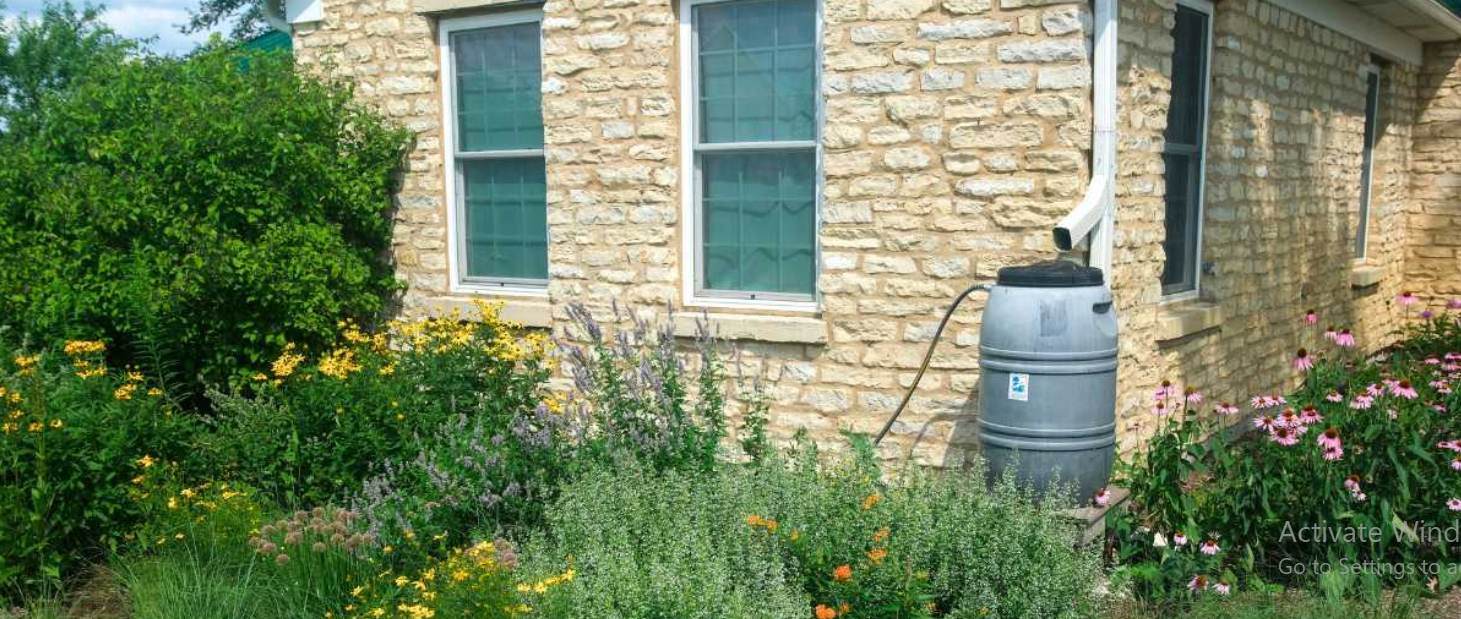
It also changes how stored water is used. Water collected in tanks is no longer depleted on fixed schedules but is used gradually, only when needed. This allows it to last longer during dry periods and reduces unnecessary reliance on the mains supply. Over time, this creates a more stable growing environment, supported by a system that works quietly in the background, using water responsibly while maintaining consistent plant growth.
In Conclusion
Sustainable gardening comes down to how well you manage water. If you get that right, everything else begins to follow without constant effort. The garden becomes easier to maintain, more predictable through changing conditions, and less dependent on routine maintenance.
Automatic watering systems that respond to real conditions help maintain that balance without constant attention, even on days when you cannot be there to manage it yourself. Which is why, in the end, it all comes back to how you use water.
If you want to know about Pest Control for a Healthy Home: Essential Tips to Protect Your Living Space then visit our Home Improvement category.