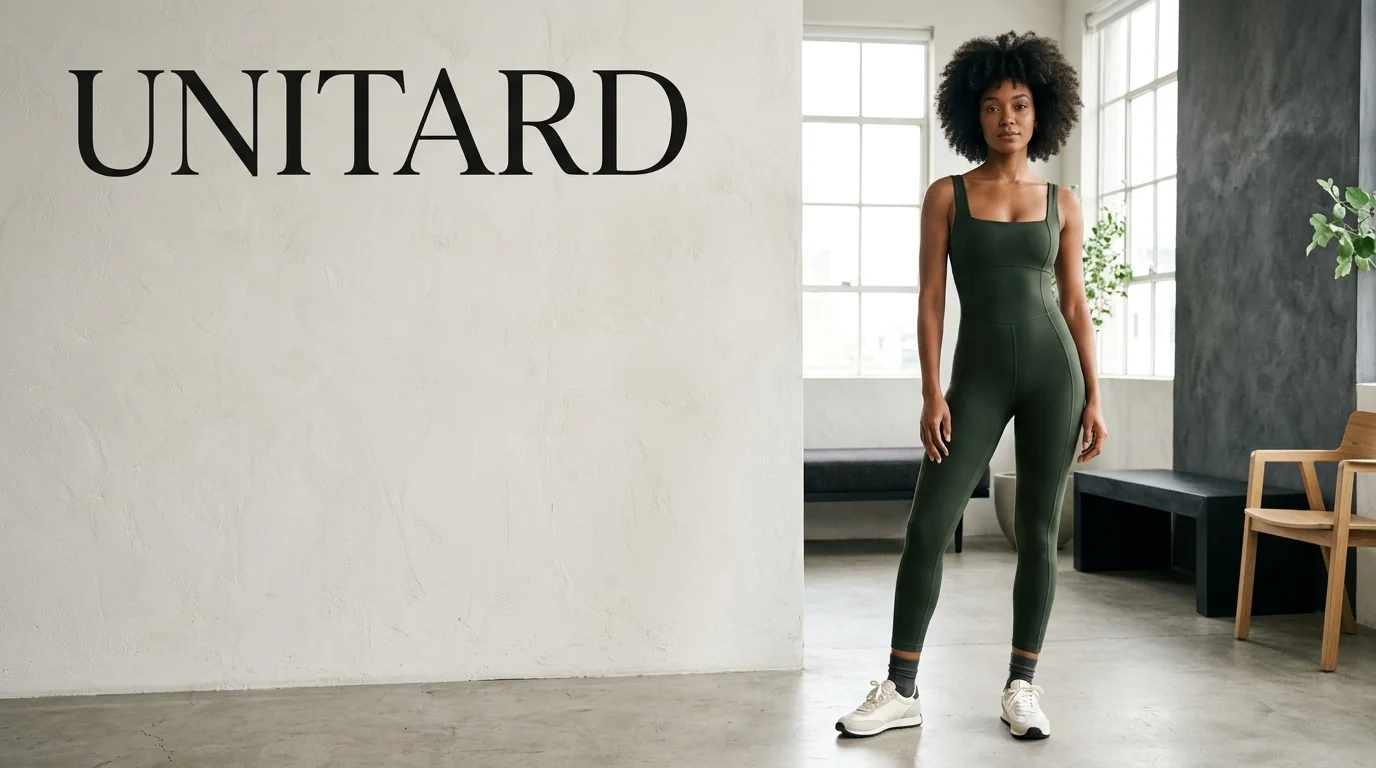
A unitard is a close-fitting, one-piece garment that covers the torso and extends down the legs. Some designs have long sleeves, while others use straps, short sleeves, or sleeveless cuts. Today, people wear them for dance, exercise, casual outfits, layering, and fashion.
Quick answer: This one-piece combines a fitted top and attached leggings or shorts in one garment. Full-length versions traditionally reach towards the ankles, while modern retailers also sell shorter cuts. The right choice depends on your activity, preferred coverage, fabric, support, and comfort.
| Key point | What to know |
|---|---|
| Main design | Fitted one-piece covering the torso and legs |
| Common lengths | Shorts, cropped legs, three-quarter, or full length |
| Typical fabrics | Nylon, polyamide, polyester, cotton blends, and elastane |
| Common uses | Gym, yoga, Pilates, dance, casual wear, and layering |
| Main advantage | No separate waistband or top moving during activity |
| Main consideration | Fit through the torso matters as much as waist size |
| UK shopping tip | Check each retailer’s size chart before ordering |
What Is a Unitard and How Is It Different?
Cambridge Dictionary describes the garment as a type of leotard that also covers the legs. That leg coverage creates its clearest traditional distinction from a standard leotard. Modern fashion stores sometimes use the name more broadly for fitted one-piece styles.
A leotard normally covers the torso while leaving the legs exposed. A bodysuit usually follows a similar torso-focused shape and may fasten underneath. A fitted jumpsuit can look similar, but jumpsuits often use looser fabrics and less athletic construction.
Retail terminology can confuse shoppers because brands classify products differently. ASOS currently groups short and longer fitted one-pieces within its women’s collection. H&M also sells sports versions designed for training, showing how the category overlaps with activewear.
Why Have Fitted One-Pieces Become Popular?
One-piece dressing removes the need to coordinate a separate top and bottom. No waistband between the two pieces shifts during movement. That simplicity can suit exercise, travel, casual weekends, and quick everyday outfits.
Activewear versions often use stretch materials that follow the body during repeated movement. Fashion-led options may focus more on necklines, backs, colours, and shaping details. Some shoppers therefore use the same basic silhouette for different parts of their wardrobe.
The design also layers naturally, which matters in changeable UK weather. An oversized shirt, sweatshirt, jacket, or coat can add warmth without complicating the base outfit. Footwear can then shift the look from sporty to casual or dressier.
Choosing the Right Length and Style
Start by deciding where you’ll wear the garment most often. A full-length version offers more leg coverage and works well during cooler months. Shorter cuts can feel lighter for indoor training, warm weather, or casual summer outfits.
Neckline and back design deserve equal attention because they affect support and layering. Racerbacks and open backs favour movement but can limit conventional bra choices. Higher necklines provide more coverage and can create a cleaner base beneath jackets.
Sleeve length changes the garment’s seasonal usefulness too. Sleeveless styles are easy to layer and suit warmer training sessions. Long sleeves add coverage but may feel warm during demanding indoor exercise.
How Should the Fit Feel?
A close-fitting one-piece should sit securely without pulling painfully at the shoulders or crotch. The fabric should recover after stretching instead of becoming loose around the knees or waist. You should also move freely without constantly adjusting the garment.
Torso length can matter more than shoppers expect. Someone with a longer torso may need more vertical stretch despite wearing a smaller waist size. Petite shoppers may encounter excess fabric if the body length is too generous.
Test the fit by sitting, bending, walking, and raising your arms before removing the tags. For active styles, add a squat or lunge if the garment is intended for exercise. These movements reveal pulling, transparency, rolling, and unwanted movement better than standing still.
Sizing differs between retailers, so avoid relying only on your normal label size. Compare bust, waist, hip, and inside-leg measurements with the current brand chart. A supportive active style may also fit more firmly than an everyday fashion version.
Which Fabric Works Best?
Elastane is commonly blended with nylon, polyamide, polyester, or other fibres to create stretch. Current UK sports products show how these blends can provide a fitted fit and allow movement. The percentage alone doesn’t guarantee comfort; fabric weight and construction also matter.
For workouts, look for material that feels breathable and dries reasonably quickly. Smooth seams can also reduce irritation during repeated movement. Readox’s guide to running shorts and performance fabrics explains similar fit and moisture considerations for active clothing.
For casual use, softness and opacity may matter more than technical performance. Ribbed fabrics add texture, while smoother finishes create a cleaner look. Always check lighter colours under natural light before deciding whether the coverage feels adequate.
What Should You Wear Underneath?
No single underwear rule applies because construction varies between garments. Some active styles include built-in bust support or removable pads. Others provide no internal support and work better with your preferred sports bra.
Smooth, flat-edged underwear can reduce visible lines under thinner or smoother fabrics. Some people instead choose underwear based on comfort and personal preference. Check whether seams, waistbands, or fabric edges become uncomfortable after several minutes of movement.
For exercise, test your complete outfit before wearing it during a long session. What feels comfortable while standing can behave differently during squats or stretching. Support should remain secure without creating pressure points.
How to Style One for Everyday Wear
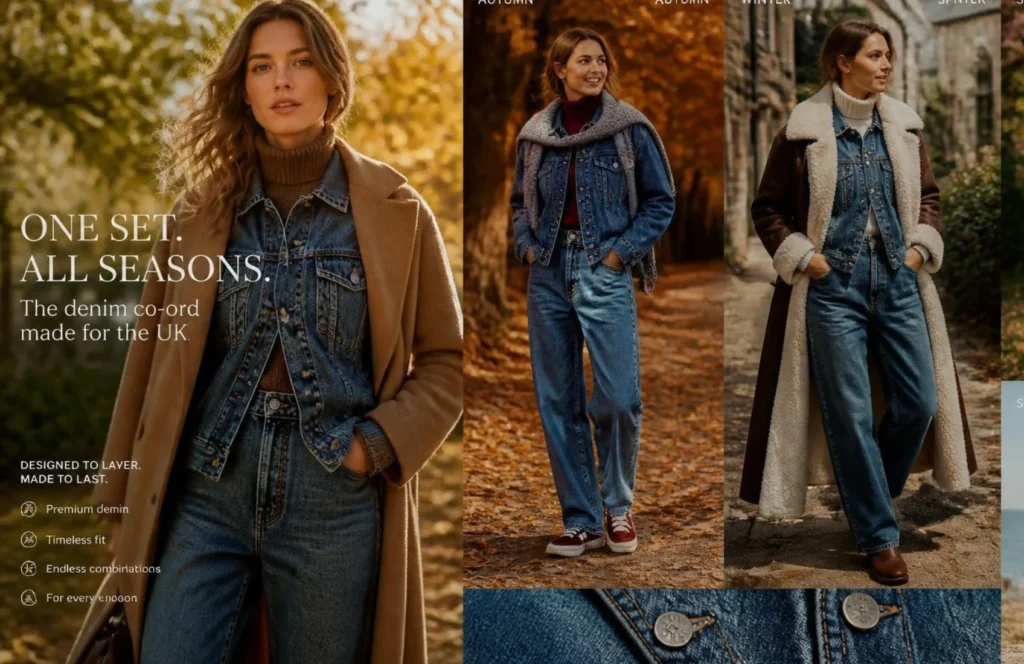
A neutral black, navy, brown, or charcoal one-piece offers plenty of layering options. Add an oversized shirt and trainers for an easy daytime outfit. A denim jacket or bomber can provide another casual layer when temperatures drop.
For a smarter look, try a structured blazer with simple jewellery and clean footwear. Keep the outer layer slightly relaxed if the base is extremely fitted. That contrast can balance the outfit.
You can also treat the garment as part of an existing wardrobe rather than a separate trend. Readox’s wardrobe refresh guide suggests considering how new clothing works with pieces you already own. This approach can prevent you from buying a colour or cut that rarely leaves the drawer.
Accessories can change the mood without changing the main outfit. A crossbody bag feels practical, while a structured handbag reads smarter. Jewellery, sunglasses, caps, and footwear offer similar flexibility without adding bulk.
Gym, Yoga and Pilates: What Matters Most?
Let movement guide your choice before colour or style. Look for enough stretch through the hips, shoulders, and knees for your normal exercises. The garment should remain secure when you bend, reach, or change direction.
For yoga or Pilates, check that the neckline stays comfortable during forward folds. Open-back designs should also remain secure during floor work. If you want built-in bust support, confirm it’s built in rather than assuming every sports style includes it.
Gym users should check opacity before their first session. Bright changing-room lighting does not always reveal how fabric behaves under tension. Testing the garment at home can prevent distractions later.
Buying Tips for UK Shoppers
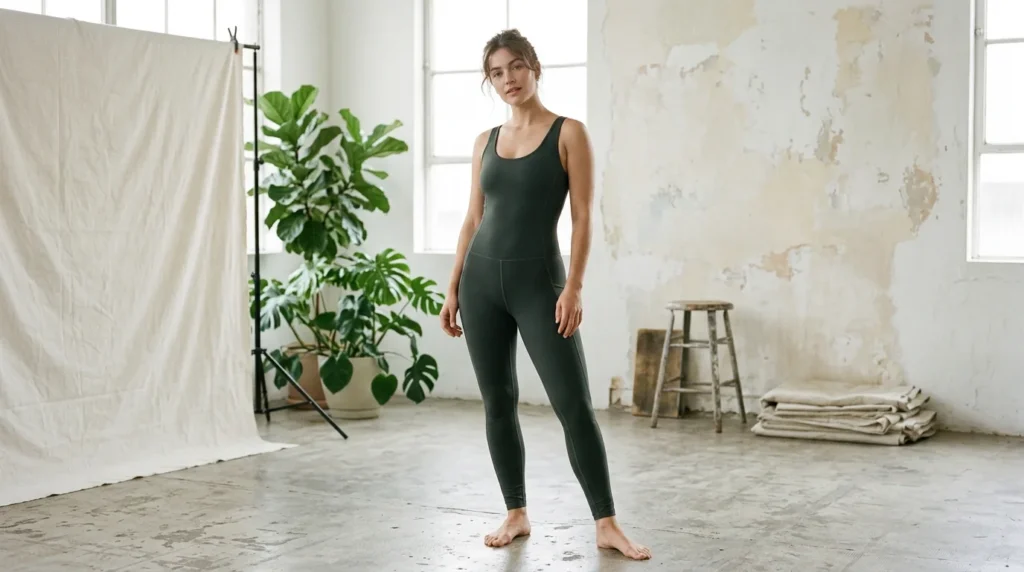
UK retailers currently offer everything from inexpensive fashion pieces to specialist dancewear and premium sports versions. Prices therefore vary widely according to fabric, construction, branding, and technical features. Comparing specifications is more useful than comparing price alone.
Before ordering, check the following.
- Bust, waist, hip, torso, and inside-leg measurements
- Fabric composition and stretch
- Whether the material is lined
- Built-in bra or removable padding
- Sleeve, neckline, and back design
- Pocket availability
- Washing instructions
- Delivery costs and current returns policy
- Whether discounted items have different return conditions
- Customer reviews mentioning transparency or sizing
Returns matter more with fitted one-pieces because small differences in proportions can affect comfort. Read the retailer’s current policy before removing hygiene seals or tags. Keep packaging until you know the fit works during normal movement.
How to Wash and Store It
Start with the care label because fibres and finishes vary between products. High heat can damage elastic fibres in some stretch clothing. Gentle washing and lower temperatures are often safer when the manufacturer permits them.
Avoid leaving damp activewear inside a gym bag for long periods. Allow it to dry fully before storing it with clean clothing. Readox’s clothes horse guide covers practical indoor drying options for UK homes.
Folding heavy or highly elastic pieces when hanging could stretch the shoulders. Keep them away from rough fasteners that could catch smooth fabric. Proper storage can also help the garment retain its shape between wears.
Is It Worth Adding One to Your Wardrobe?
The answer depends on whether one-piece dressing suits your routine. People who enjoy leggings and fitted activewear may appreciate having fewer separate pieces to manage. Others may prefer separates because they make bathroom breaks easier and offer more sizing flexibility.
Think about cost per wear rather than treating the purchase as a trend. A neutral design that works for exercise and casual layering can earn regular use. A highly specific cut may offer less value if it only works with one outfit.
Consider what you already own before buying another fitted basic. Jackets, overshirts, trainers, and bags can make one simple base work across several outfits. Choose versatility only if that versatility matches your real habits.
Frequently Asked Questions
Is a unitard the same as a leotard?
No, the traditional designs differ mainly around the legs. A leotard typically ends around the hips, while a unitard extends down the legs. Retailers sometimes use broader product names, so photos and measurements still matter.
Can you wear one to the gym?
Yes, many modern versions are designed specifically for training. Look for secure stretch, suitable opacity, comfortable seams, and enough support for your activity. Test the garment during your usual movements before relying on it for a full session.
Can you wear one as everyday clothing?
Yes, fashion-led versions are commonly styled as everyday one-piece outfits. Shirts, jackets, knitwear, trainers, and boots can make them easier to adapt. Choose fabrics and coverage that suit where you plan to wear the outfit.
Should you size up in a fitted one-piece?
Not automatically, because every brand uses different measurements and compression levels. Check the current retailer size chart before deciding. If two sizes seem possible, consider torso length and your preferred compression level.
Are short versions still considered the same type of garment?
Retail terminology is broader than the traditional dancewear definition. Many UK shops now use the same category name for short, cropped, and full-length fitted one-pieces. Check the product description rather than relying only on the category label.
Choosing the Right One
Start with purpose, then compare fit, length, fabric, and support. A good choice should feel secure without restricting ordinary movement. It should also work with the clothes and activities you already do.
UK shoppers have plenty of options across fashion, dancewear, and activewear retailers. Take measurements before ordering, and test movement with the tags still attached. Choosing around comfort and real use usually produces better value than buying for appearance alone.