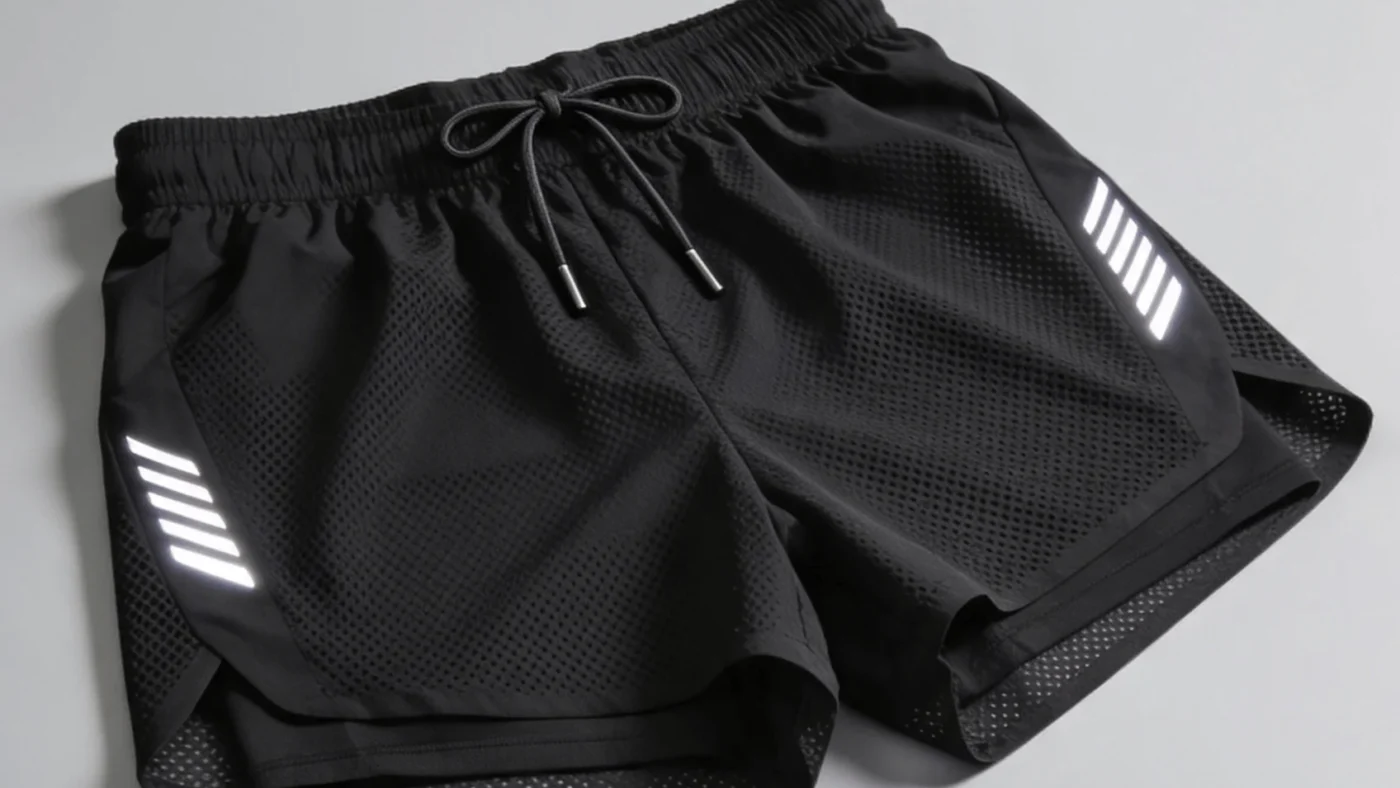
Running shorts should feel comfortable, stay secure, and let your legs move freely throughout a run. The right pair also manages sweat without becoming heavy or causing irritating friction. For UK runners, weather, storage needs, distance, and preferred coverage can all affect the best choice.
Quick answer: Choose lightweight, quick-drying shorts that stay secure without restricting your stride. A 5-inch inseam offers a useful balance for many runners, while shorter designs favour freedom and longer styles add coverage. Check the liner, waistband, seams, and pockets before deciding which pair suits your usual training.
| Feature | What to look for | Why it matters |
|---|---|---|
| Length | Around 3, 5, or 7 inches | Changes coverage and freedom of movement |
| Fabric | Lightweight, quick-drying synthetic material | Helps manage sweat and rain |
| Liner | Brief, compression, or liner-free design | Affects support and chafing |
| Waistband | Secure fit with a drawcord | Reduces slipping while moving |
| Pockets | Secure storage with minimal bounce | Holds keys, cards, phones, or gels |
| Seams | Smooth or flat construction | Helps reduce friction |
| Reflective details | Visible panels or trims | Useful during darker UK runs |
What Makes Good Running Shorts Different?
Ordinary gym shorts can work for occasional jogging, but dedicated runwear is designed around repetitive forward movement. Lighter fabrics, carefully positioned seams, and secure waistbands help prevent distractions as your mileage increases. These details become more noticeable during warm sessions, wet weather, and longer routes.
A good pair should also manage moisture efficiently. Synthetic fabrics such as polyester and nylon are common because they dry faster than absorbent everyday materials. Elastane is often blended into the fabric to provide useful stretch without making the garment feel loose.
Storage is another practical difference between basic sportswear and purpose-designed shorts. Keys, cards, gels, and phones can bounce badly inside large casual pockets. Running-specific storage usually holds these items closer to your body and limits unnecessary movement, and Readox’s Chest Workout Gym guide explains how to keep frequently worn activewear organised at home.
Choosing the Right Length
Inseam length affects coverage, airflow, and how much material moves around your legs. Common styles include roughly 3-inch, 5-inch, and 7-inch options. Your preferred distance and level of coverage provide a sensible starting point.
3-Inch Shorts
Shorter designs use less fabric and give your thighs plenty of room to move. They are popular for racing, track sessions, intervals, and runners who prefer a lightweight feel. Side splits can create even more movement during a longer or faster stride.
The trade-off is reduced coverage and often less storage. Some runners also find short designs uncomfortable if their inner thighs rub together. A suitable liner or separate fitted layer can help when friction is a concern.
5-Inch Shorts
Five-inch styles sit between minimalist race clothing and longer training designs. They usually provide enough coverage for everyday road running while retaining good movement. This balance makes them a practical starting point when you aren’t sure which length to choose.
Storage options also tend to improve at this length. Designers have more room for rear pockets, side storage, or integrated liners without adding excessive material. That versatility suits easy runs, tempo sessions, parkruns, and longer weekend training.
7-Inch Shorts
Longer styles provide greater thigh coverage and often resemble traditional gym clothing. They can suit trail running, relaxed training, mixed gym sessions, or runners who simply prefer more material. Extra length can also accommodate larger storage systems.
More fabric can feel warmer during hard summer efforts. A loose seven-inch design may also move more than a shorter race cut. Look for lightweight fabric and adequate stretch if you prefer this length.
Running Shorts With Liners or Without?
A built-in liner can provide support while reducing the need for separate underwear. Brief liners use minimal material and suit runners who value ventilation. Longer fitted liners provide more thigh coverage and may help people who experience friction.
Two-in-one designs combine fitted inner shorts with a looser outer shell. They offer coverage while keeping a close-fitting layer against the skin. Many also place a phone pocket on the inner layer, which can reduce bouncing.
Liner-free designs remain useful if you prefer your own sports underwear. They also make it easier to change your base layer according to weather or distance. Whichever option you choose, test it while moving rather than judging comfort while standing still.
How to Reduce Chafing on Longer Runs
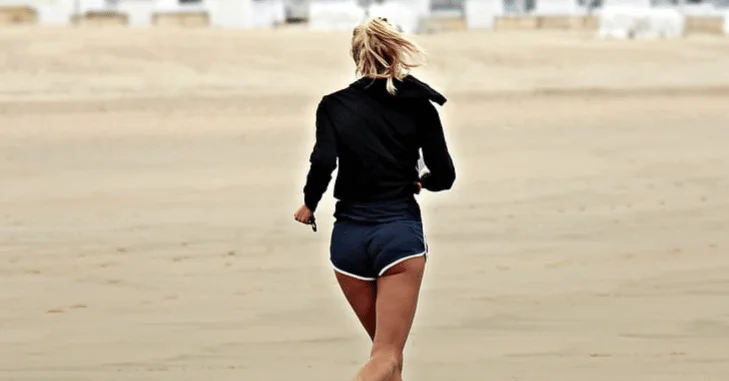
Chafing develops when repeated friction combines with moisture and movement. Inner thighs, liner edges, waistbands, and seams are common problem areas. Rain and heavy sweating can make an otherwise minor fit problem much more noticeable.
Start by checking whether the fabric bunches or rides upwards as you run. Longer fitted liners can protect areas where skin regularly rubs. Smooth seams and moisture-managing fabrics can also reduce irritation during longer sessions.
Don’t save an untested pair for race day. Wear new shorts during a normal training session before relying on them for an important event. A longer test run can reveal waistband movement, rubbing, or storage problems that aren’t obvious at home.
Which Fabric Works Best in UK Weather?
Britain’s variable weather makes quick-drying fabric useful beyond the hottest months. Rain, sweat, and damp conditions can leave absorbent materials feeling heavy against the skin. Lightweight synthetic fabrics generally manage these conditions better than standard cotton.
Breathability becomes more important during warmer summer runs. Look for thin woven material, mesh panels, or ventilation zones where appropriate. Stretch also matters because fabric should follow your stride without pulling across the hips.
Cooler weather doesn’t always require heavier shorts. Many runners keep their usual pair and add suitable layers elsewhere instead. On colder days, longer shorts or fitted running tights may provide the extra coverage you want.
Pockets: What Do You Actually Need to Carry?
Think about what you carry on a normal route before choosing your storage setup. A house key needs far less space than a large smartphone, several gels, and a card. Buying for your real routine prevents unnecessary pockets from adding bulk.
A small zipped pocket works well for keys and cards. Phones generally need closer-fitting storage because loose side pockets can bounce with every stride. Rear waistband pockets and fitted liner pockets often hold heavier items more securely.
Long-distance runners may need space for several gels or other small essentials. Trail runners can have greater carrying requirements, although a running belt or vest may work better for larger loads. Shorts shouldn’t become overloaded enough to affect their fit.
How Should Running Shorts Fit?
The waistband should stay in place without requiring uncomfortable pressure. You should be able to lift your knees, bend, and extend your stride without the fabric pulling. A drawcord provides useful adjustment when pocket contents add extra weight.
Check the leg openings during movement as well. Fabric that looks comfortable while standing can ride upwards once you begin running. Fitted liners should remain smooth rather than rolling, twisting, or digging into your thighs.
Try a simple movement test before removing the tags. Jog on the spot, perform several high knees, and place your usual items inside the pockets. Any slipping, bouncing, pinching, or bunching deserves attention before you commit to the pair.
Which Style Suits Different Types of Running?
Different sessions place different demands on clothing. A runner chasing a fast 5K may value minimal weight more than large pockets. Someone spending two hours on trails may make the opposite choice.
| Running type | Useful style | Features to prioritise |
|---|---|---|
| Racing | 3–5 inch lightweight design | Low weight, ventilation, unrestricted movement |
| Everyday road runs | Around 5 inches | Comfort, secure waist, useful pocket |
| Long runs | 5–7 inches or two-in-one | Chafe control, secure storage |
| Trail running | 5–7 inches | Durable fabric, storage, coverage |
| Treadmill | Lightweight shorter style | Ventilation, sweat management |
| Gym and running | Two-in-one or longer design | Coverage, stretch, versatility |
These categories aren’t fixed rules. Comfort remains personal, and a seven-inch pair won’t prevent you from running quickly. The table is better used as a shortlist than a strict prescription.
What to Check Before Buying Running Shorts
Start with fit and movement rather than colour or branding. Good performance clothing becomes almost unnoticeable once you start moving. Poorly fitting clothing keeps demanding your attention throughout the session.
Before buying, check the following points.
- Whether the waistband stays secure when pockets are loaded.
- Whether the fabric dries quickly and feels breathable.
- Whether the liner provides comfortable support.
- Whether seams sit away from high-friction areas.
- Whether pockets securely hold your usual essentials.
- Whether the inseam provides enough coverage.
- Whether reflective details suit early or evening runs.
Sizing can vary between brands, so don’t rely only on the label. Check the retailer’s current measurements and returns policy before ordering online. If you’re between sizes, prioritise secure movement without creating pressure around the waist or thighs.
Are Expensive Shorts Worth Paying For?
A higher price can buy lighter fabrics, better pocket systems, carefully designed seams, and more specialised construction. Those benefits may matter to runners training frequently or covering long distances. Price alone, though, doesn’t guarantee a comfortable fit for your body.
Occasional runners can find suitable options without choosing premium race clothing. Focus first on fit, moisture management, and secure storage. Paying extra makes more sense when a specific feature solves a problem you regularly experience.
Think in terms of repeated use rather than branding. A comfortable pair worn several times each week can provide more value than fashionable kit left in a drawer. Your preferred fit should remain the deciding factor.
Caring for Your Runwear
Check the care label before washing technical sportswear. High temperatures and unsuitable products can affect elastic fibres or specialist fabric treatments. Washing according to the manufacturer’s instructions helps preserve fit and performance.
Allow sports clothing to dry fully before putting it away. Damp kit can develop unpleasant odours and may need washing again before use, so give it time to air out before returning it to a crowded drawer.
Indoor drying needs enough airflow to let moisture escape from freshly washed kit. This matters during wet UK weather when outdoor drying isn’t practical. Readox’s guide to How To Lose a Stone in A Month covers airers, ventilation, space requirements, and drying options for UK homes.
Keep several pairs in rotation if you run frequently. This gives each pair time to wash and dry between sessions. It also lets you choose different lengths or liners as your training and weather change.
Packing Running Shorts for Travel
Lightweight runwear takes little suitcase space, making it easy to maintain your routine away from home. Pack at least one spare pair if you expect to run on consecutive days. Quick-drying fabric is particularly useful when you need to wash clothing during a trip.
Think about the destination rather than packing the same kit for every journey. Climate, local conditions, planned activities, and access to laundry can change what you need. Readox’s smart travel packing tips provide further ideas for choosing breathable clothing and practical travel essentials.
Frequently Asked Questions
What length of running shorts is best?
There isn’t one ideal length for every runner. Three-inch designs favour minimal coverage and movement, while five-inch styles balance versatility and comfort. Seven-inch options offer more coverage and often provide additional storage.
Your body shape and comfort matter as much as distance. Runners who experience thigh friction may prefer a longer liner even when the outer layer is short. Test several lengths if you’re unsure which feels natural.
Should running shorts be tight or loose?
They should stay secure without restricting your stride. Loose outer shells can work well when the waistband fits correctly, while fitted designs should stretch without digging into your skin. Neither style should repeatedly ride up or slide down.
Pay particular attention to fit after adding a phone or other items. Pocket weight can change how the waistband behaves. Testing the shorts while loaded gives you a more realistic idea of performance.
Do you wear underwear under lined shorts?
A built-in liner is generally designed to provide the layer that ordinary underwear would otherwise supply. Some runners still prefer separate sports underwear because comfort is personal. Avoid unnecessary layers if they create extra seams, heat, or friction.
Follow the design and care information supplied with your particular garment. Try your chosen setup during training before using it for a long run or race. Comfort over distance matters more than following a universal rule.
Are two-in-one shorts good for running?
Two-in-one styles can work particularly well for runners who want extra support and thigh coverage. The fitted inner layer may reduce skin-on-skin rubbing, while the outer layer provides a conventional appearance. They can also offer secure phone storage.
The additional layer can feel warmer in hot conditions. Check whether the liner stays in position during repeated movement. A comfortable liner should support you without bunching or pulling at the outer shell.
Choosing Your Next Pair
The best choice is the pair you can forget about once your run begins. Prioritise secure fit, freedom of movement, moisture management, and storage that matches what you carry. Then choose your preferred length and liner based on comfort, distance, and coverage.
UK weather makes quick-drying material particularly useful across much of the year. Test new kit with the items you normally carry before using it for a race or long session. A simple movement check can prevent miles of adjusting waistbands, pockets, or liners.