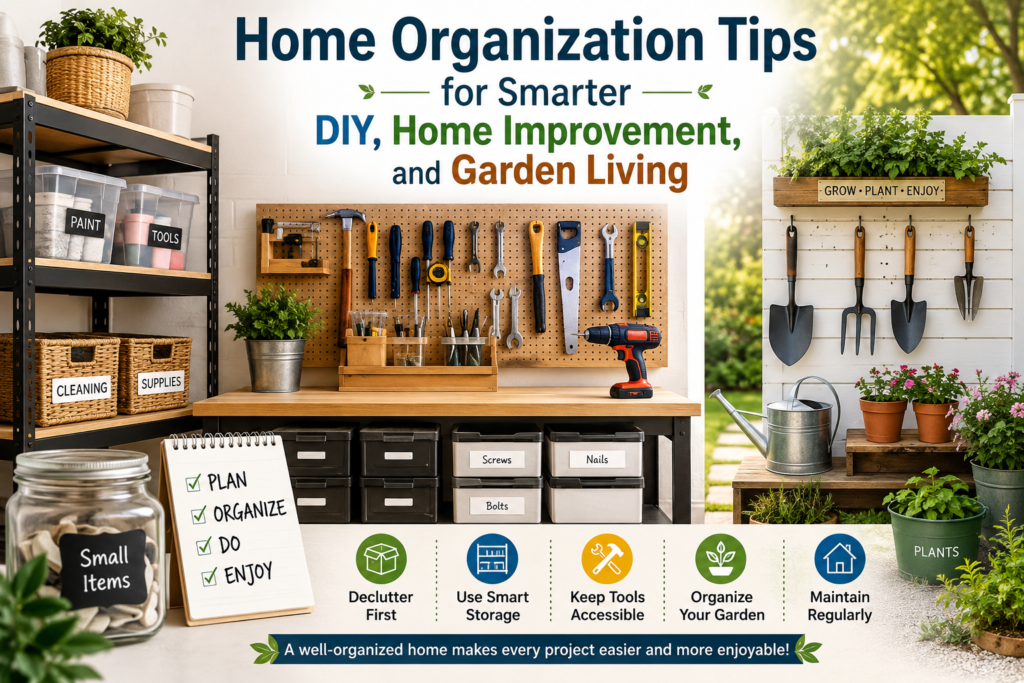
Home organization often begins in the wardrobe because clothing affects how smoothly each morning starts. A practical wardrobe refresher is not about replacing everything you own. It is about removing clutter, improving visibility, caring for garments, and making your existing clothes easier to wear. For a closer look, see Home Organization Tips for Smarter DIY, Home Improvement, and Garden Living.
The most effective refresh combines editing, cleaning, storage, and simple maintenance. Thoughtful home-care ideas from Terreéa Home Rituals can also help you treat wardrobe care as a steady household habit rather than an exhausting seasonal project.
Direct answer: To refresh your wardrobe, remove everything by category, decide what still fits your life, clean the empty storage space, group similar garments, and return only useful pieces. Finish by creating clear zones for daily wear, accessories, special-occasion clothing, and seasonal items.
| Refresh stage | Main goal | Practical result |
| Edit | Remove items you no longer use | More available space |
| Clean | Dust and air the wardrobe | A fresher storage area |
| Categorize | Group similar garments | Faster outfit selection |
| Reorganize | Improve visibility and access | Less daily frustration |
| Maintain | Prevent clutter from returning | Longer-lasting order |
Why a Wardrobe Refresh Supports Better Home Organization
A crowded wardrobe creates more than a storage problem. It makes it difficult to see what you own, encourages duplicate purchases, and turns getting dressed into a daily search.
A refresh gives every item a clearer purpose and location. Frequently worn clothes stay within easy reach. Seasonal garments move out of the busiest areas. Accessories become visible instead of disappearing into drawers or boxes.
Professional organizing advice commonly starts with decluttering, grouping clothes by type, and placing the most frequently used pieces where they are easy to reach. Vertical storage, drawer dividers, hooks, and clearly defined categories can improve both capacity and visibility.
The aim is not a showroom-perfect closet. The aim is a wardrobe that works with your routine.
What You Need Before You Start
Gather a few basic supplies before pulling out your clothes:
- Three bags or boxes for donations, repairs, and recycling
- A clean cloth and suitable surface cleaner
- A vacuum with a narrow attachment
- Matching or similar hangers
- Drawer dividers or small open boxes
- Labels for seasonal or occasional items
- A notebook or phone for recording wardrobe gaps
Set aside enough time to finish one category or section. Avoid emptying the entire wardrobe when you only have 20 minutes. An unfinished clothing pile can make the room feel more stressful than it did before.
A 9-Step Home Organization Wardrobe Refresh
1. Define what the wardrobe must support
Start with your current life, not an imagined version of it.
Consider how often you need clothes for work, exercise, social events, travel, formal occasions, and relaxed days at home. Your wardrobe should give the most space to the categories you use most.
This prevents occasional garments from crowding out everyday clothes. It also helps you notice whether your storage reflects your real routine.
2. Work through one clothing category at a time
Choose one category, such as shirts, trousers, knitwear, dresses, shoes, or accessories. Remove every item in that category and place it where you can see it clearly.
Working by category makes duplicates easier to spot. It also produces quicker decisions because you can compare similar pieces directly.
Finish the category before beginning another one.
3. Use four clear decision groups
Sort each item into one of four groups:
- Keep: It fits, feels comfortable, and suits your current routine.
- Donate or sell: It remains usable but no longer serves you.
- Repair: It needs a specific, realistic fix.
- Recycle or discard: It is too damaged for continued use.
Be precise with the repair group. Write down the required action and set a deadline. Clothes that remain unfixed for months often become a second clutter pile.
One structured decluttering approach recommends clearing a space, categorizing its contents, cutting unnecessary items, and then containing what remains. The sequence works because storage decisions come after the volume of possessions has been reduced.
4. Ask practical questions before keeping an item
Avoid asking only whether an item is attractive. A beautiful garment can still be wrong for your present needs.
Ask:
- Does it fit comfortably now?
- Have I worn it during the last suitable season?
- Can I style it with at least two other pieces?
- Does it require care I am willing to provide?
- Would I choose it over similar items I already own?
- Does it suit my current work, climate, and routine?
Sentimental clothing deserves a separate category. Store meaningful pieces away from everyday garments so they do not take up prime wardrobe space.
5. Clean the empty wardrobe
Once a section is empty, vacuum corners, shelves, drawer runners, and the floor. Wipe down suitable surfaces and allow them to dry fully before returning clothes.
Check for dampness, musty smells, loose fittings, sharp edges, or signs of fabric pests. Solve the cause of any odor before adding fragrance. Scent can complement a clean wardrobe, but it should not cover moisture or mildew.
Never store garments while they are damp. Airflow and dry storage are essential for keeping clothes in good condition. Wardrobe-care guidance also recommends regular cleaning and ventilation rather than relying only on scented products.
6. Create practical wardrobe zones
Divide the available space according to use.
A simple layout might include:
- Daily tops and bottoms at eye level
- Workwear in one defined section
- Folded knitwear on shelves
- Shoes on low shelves or racks
- Accessories in divided drawers
- Formalwear toward one side
- Seasonal items on high shelves or in separate storage
Store coordinating items near one another when that makes dressing easier. You might place work trousers beside office shirts or exercise tops near leggings.
The right layout depends on your habits. Accessibility matters more than symmetry.
7. Choose the right storage method for each garment
Hang items that crease easily or need their shape protected. Fold heavy knitwear because hangers can stretch the shoulders. File-fold T-shirts, activewear, and casual trousers when drawer depth allows it.
Use narrow dividers for socks, underwear, belts, scarves, and small accessories. Simple boxes can work as effectively as expensive organizers when their dimensions suit the drawer.
Avoid buying storage products before measuring the wardrobe. Containers that are too tall, deep, or wide often waste space rather than save it.
8. Arrange clothes for visibility
You are more likely to wear what you can see.
Group garments first by type, then use a secondary system that feels natural. That might be color, sleeve length, formality, or frequency of use.
Color organization can make visual scanning faster, while grouping by function can make outfit planning easier. Neither system is universally better. Choose the one that matches how you search for clothes.
Keep the most-used items between shoulder and waist height. Place rarely used or seasonal pieces higher or farther back.
9. Add a maintenance routine
A wardrobe stays organized through small resets, not repeated major overhauls.
Use a simple schedule:
- Daily: Return clothes to their assigned places.
- Weekly: Put away clean laundry and remove empty hangers.
- Monthly: Review the repair group and clear misplaced items.
- Seasonally: Rotate clothing and reassess what was not worn.
- Twice a year: Clean shelves, drawers, rails, and storage boxes.
Keep a donation bag in an accessible place. When something no longer fits or serves you, place it in the bag instead of returning it to the wardrobe.
Refresh Your Style Without Buying a New Wardrobe
Organization can make familiar clothes feel different because forgotten pieces become visible again.
Before shopping, create several outfits from what you already own. Try changing proportions, adding a layer, using a scarf differently, or combining colors you do not usually pair.
Record successful combinations with quick photos. This creates a personal outfit reference for rushed mornings.
A “shop your own closet” approach can also reveal pieces worth repairing, altering, or styling differently before you purchase replacements. Accessories and new combinations may provide the change you want without a large shopping trip.
When you find a genuine gap, write it down. A specific list such as “dark straight-leg trousers for work” prevents vague purchases that duplicate items already in the wardrobe.
Common Wardrobe Refresh Mistakes
Buying organizers too early
Storage cannot solve excess volume. Declutter first, measure second, and buy only what supports a defined category.
Keeping clothes for an imaginary lifestyle
Your storage should reflect your current routine. Keep a small number of aspirational or occasional pieces, but do not let them dominate daily space.
Hiding everything in opaque boxes
Closed boxes look tidy but can make items easy to forget. Use labels, clear containers, or open storage for categories you access often.
Overfilling rails and drawers
Clothes need enough room to move. Packed rails make garments difficult to remove and return. Overfilled drawers quickly lose their categories.
Treating fragrance as a substitute for cleaning
A pleasant scent works best in a dry, clean, ventilated wardrobe. Investigate persistent odors instead of masking them.
Creating a system that is hard to maintain
Detailed folding or complex color arrangements may look appealing but fail when laundry piles up. Choose a system you can restore in minutes.
Frequently Asked Questions
Complete a focused review at the start of each major season. Smaller monthly resets can handle misplaced items, repairs, and donations before clutter builds again.
Begin with damaged items, uncomfortable clothes, obvious duplicates, and pieces that no longer fit your current routine. These decisions are usually easier than sentimental ones.
Yes. Better visibility shows what you already own, exposes duplicates, and makes real wardrobe gaps easier to identify. This can support more deliberate shopping.
Start by category because it reflects garment’s function. Add color, sleeve length, or formality as a secondary system when it helps you find items faster.
Create a limited review box and date it. Revisit the box after three to six months or at the next suitable season. Donate or sell items you did not miss or retrieve.
Make the New System Easy to Keep
The best wardrobe refresh is not the most dramatic one. It is the one that reduces daily decisions and remains usable after the first week.
Give every category a clear boundary. Leave a little empty space for movement. Keep frequently used garments visible, and make donations easy to remove from the home.
Begin with one shelf, drawer, or clothing category today. A smaller finished section will create more value than an ambitious reset left incomplete.