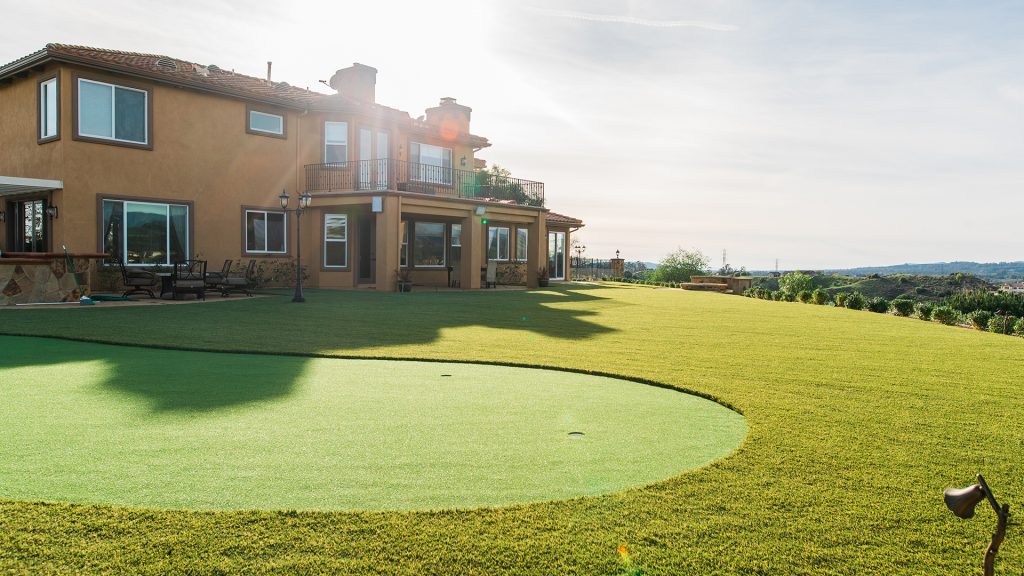
A beautiful garden can make any home feel more welcoming. It gives you a place to relax, spend time with family, and enjoy the outdoors. However, keeping a natural lawn green and healthy throughout the year takes time, effort, and money. Regular mowing, watering, weeding, and dealing with muddy patches can quickly turn garden maintenance into a tiring task.
Fortunately, modern landscaping offers practical alternatives that help homeowners create attractive outdoor spaces without constant upkeep. Artificial lawns have become increasingly popular across the UK because they offer a neat appearance and suit different garden designs. Whether you have a small courtyard, a family garden, or a spacious outdoor area, artificial turf can help you make better use of your space while reducing routine maintenance.
Why Artificial Grass Is Becoming Popular Among UK Homeowners
Homeowners across the UK are looking for ways to create gardens that look attractive without requiring hours of maintenance every week. Traditional lawns often struggle during wet winters, particularly in areas with poor drainage or heavy foot traffic. During warmer months, natural grass can also develop dry patches, uneven growth, and weeds. These issues make it difficult to maintain a consistent appearance throughout the year.
As a result, many people now consider artificial grass when planning garden improvements. Modern synthetic turf comes in different pile heights, textures, and shades of green, making it easier to achieve a natural-looking finish. Homeowners can choose products that suit their garden layout, lifestyle, and intended use. Some options work well for decorative spaces, while others offer greater durability for busy family gardens.
Another reason for its growing popularity is convenience. Artificial lawns do not require mowing, fertilising, or regular watering to maintain their green appearance. Although occasional cleaning and brushing remain necessary, the overall maintenance routine is much simpler. This makes synthetic grass particularly appealing to busy professionals, older homeowners, and families who prefer spending their free time enjoying their gardens rather than maintaining them.
Creating a Beautiful Garden That Looks Good Throughout the Year
One of the biggest challenges of maintaining natural grass in the UK is unpredictable weather. Heavy rainfall can leave lawns muddy and waterlogged, while extended dry periods can cause discolouration. Shaded areas may also struggle to support healthy grass growth. These conditions can create an uneven garden that looks attractive during certain months but requires significant attention during others. Artificial turf provides a consistent green surface regardless of seasonal changes, provided the installation includes suitable drainage.
Appearance also plays an important role in garden design. Modern artificial lawns often combine several shades of green with subtle brown fibres to imitate natural grass. Different pile lengths create varied textures, allowing homeowners to choose a soft, lush finish or a shorter, neatly trimmed look. The right choice depends on the surrounding landscape, furniture, pathways, and planting arrangements. For example, a dense, medium-pile lawn can complement a contemporary patio, while a softer, longer pile may suit a relaxed family garden.
Artificial grass also works well alongside natural landscaping features. Flower beds, shrubs, decorative stones, and timber borders can add depth and contrast to a synthetic lawn. Instead of replacing every natural element, homeowners can combine artificial turf with living plants to create a balanced outdoor environment. This approach offers the visual appeal of greenery while keeping the main lawn area easier to manage.
Reducing Garden Maintenance Without Sacrificing Appearance
Maintaining a traditional lawn involves several recurring tasks. Grass needs regular cutting during the growing season, and homeowners often spend additional time removing weeds, repairing bare patches, and applying lawn treatments. Depending on the garden’s condition, these activities can become expensive and physically demanding. Artificial turf removes many of these routine responsibilities, allowing homeowners to maintain a tidy outdoor area with considerably less effort.
However, low maintenance does not mean zero maintenance. Artificial grass still needs occasional attention to remain clean and presentable. Homeowners should remove leaves, twigs, and other debris before they build up. A stiff, non-metallic brush can help lift flattened fibres in frequently used areas. Pet owners may also need to rinse specific sections regularly and use suitable cleaning products to control odours. Following the manufacturer’s care instructions helps protect the turf and preserve its appearance.
Another benefit is the reduced need for lawn care equipment. Without regular mowing, homeowners may no longer need to store a lawnmower, grass trimmer, or large quantities of fertiliser. This can free up valuable shed or garage space. It also reduces the time spent purchasing supplies and arranging seasonal lawn treatments. For people who want a practical outdoor space with fewer recurring chores, these advantages can make a noticeable difference.
Making Outdoor Spaces More Comfortable for Families
A garden should support everyday activities rather than simply look attractive from indoors. Families often want enough space for children to play, adults to relax, and everyone to enjoy outdoor gatherings. Natural grass can become worn in areas that receive frequent use, especially around swings, seating areas, and garden entrances. Artificial turf can provide a more consistent surface in these busy locations, helping the garden retain a neat appearance despite regular activity.
Comfort is another important consideration. Many artificial grass products use soft synthetic fibres designed to feel pleasant underfoot. Homeowners can select different pile heights and densities depending on how they plan to use the space. A shorter, resilient pile may suit active areas, while a thicker surface can create a softer feel for general relaxation. However, artificial grass can become hot in direct sunlight, so shaded areas and appropriate footwear may improve comfort during warm weather. It is also important to remember that ordinary artificial turf does not replace certified impact-absorbing playground surfacing.
For households with pets, artificial grass can offer practical benefits when installed correctly. Dogs may create muddy tracks on natural lawns, particularly during wet weather. A well-drained synthetic surface can reduce the amount of mud carried indoors. Nevertheless, pet-friendly installations need effective drainage, suitable infill where required, and regular cleaning. Homeowners should select products designed for their intended use rather than assuming every artificial lawn performs equally well.
Choosing the Right Artificial Grass for Your Garden
Selecting suitable artificial turf involves more than choosing the greenest-looking product. Pile height, fibre density, backing quality, drainage capability, and durability all influence how a lawn performs over time. Shorter piles often offer a tidy appearance and can suit high-traffic areas. Longer piles create a fuller, softer look but may require more brushing to maintain their shape. Comparing these characteristics helps homeowners choose a product that matches their expectations.
The amount of sunlight and the garden’s drainage conditions also deserve attention. Some outdoor areas remain shaded for much of the day, while others receive strong afternoon sun. Artificial grass does not need sunlight to grow, but heat exposure, moisture, and surrounding surfaces can affect comfort and maintenance. A garden with poor natural drainage may require additional groundwork before installation. Choosing permeable materials and designing the base correctly can help prevent standing water and other long-term problems.
Quality should take priority over appearance alone. UV-resistant fibres, reliable backing materials, and clear product specifications can provide useful indicators when comparing options. Homeowners should also consider warranties, installation guidance, and the manufacturer’s maintenance recommendations. Requesting samples is a sensible way to compare colour, softness, and texture before committing to a larger purchase. A carefully selected product is more likely to meet the household’s needs than one chosen solely on price.
The Importance of Proper Artificial Grass Installation
Even high-quality artificial grass can perform poorly when installers overlook the groundwork. Successful installation begins with assessing the existing surface, removing unsuitable vegetation, and preparing a stable base. The exact preparation depends on the soil type, drainage conditions, and intended use. In many garden installations, contractors use a compacted, free-draining aggregate base with a suitable laying layer to support the turf and create an even finish.
Drainage is particularly important in the UK’s wet climate. Rainwater needs a suitable route away from the surface rather than collecting beneath the lawn. The base, turf backing, and surrounding landscape must work together to manage water effectively. Where drainage is already poor, installers may need to introduce additional solutions. Simply laying synthetic turf over an unsuitable surface can lead to uneven areas, standing water, and maintenance difficulties.
Attention to finishing details also improves the final result. Installers should align the grass pile consistently, position joins carefully, and secure edges using suitable methods. Clean borders around patios, flower beds, and pathways create a professional appearance. While experienced DIY enthusiasts may be comfortable installing smaller areas, complicated gardens can benefit from professional assessment. Investing in correct preparation often matters just as much as selecting the turf itself.
Using Artificial Grass in Small and Creative Outdoor Spaces
Artificial turf is not limited to large gardens. It can also transform compact outdoor areas where growing natural grass would be difficult or impractical. Small courtyards, narrow side gardens, and urban terraces often lack suitable soil or receive inconsistent sunlight. A carefully designed artificial lawn can introduce a green surface without requiring the conditions that natural grass needs. This makes it a useful design option for homeowners working with limited space.
Balconies and roof terraces may also benefit from synthetic turf, although these locations require additional care. Homeowners must consider structural load limits, drainage outlets, waterproofing systems, fire safety requirements, and any building restrictions. Artificial grass should never obstruct drainage or compromise the underlying surface. When the site is suitable, combining turf with planters, compact furniture, and outdoor lighting can create an inviting area for relaxation.
Creative landscaping can also make small gardens feel larger. Curved borders, stepping stones, raised flower beds, and contrasting paving materials help define different zones without overcrowding the space. Artificial turf can act as a visual connection between these features. By keeping the lawn area simple and using natural plants around its edges, homeowners can create a garden that feels organised, welcoming, and practical.
Understanding Long-Term Costs and Environmental Considerations
The initial cost of artificial grass can be higher than establishing a natural lawn, particularly when professional groundwork and installation are necessary. The final expense depends on the product quality, garden size, site accessibility, and required drainage improvements. However, homeowners may save money on some ongoing tasks, including mowing, fertilising, and regular lawn treatments. Evaluating the full cost over several years provides a more realistic comparison than looking at installation prices alone.
Environmental considerations are equally important. Artificial grass reduces the need for irrigation and eliminates routine mowing, which may lower water use and certain maintenance-related emissions. However, synthetic turf is generally made from plastic-based materials and does not provide the same habitat, soil benefits, or cooling effects as living vegetation. It can also contribute to surface heating and may shed small plastic particles as it wears. These factors deserve consideration before replacing a healthy natural lawn.
A balanced garden design can help homeowners make more thoughtful choices. Instead of covering the entire outdoor area with synthetic turf, they can retain flower beds, trees, shrubs, and other living features. Choosing durable products, avoiding unnecessary replacement, and checking available end-of-life recycling options can also support more responsible decisions. Artificial grass works best when homeowners understand both its practical advantages and its environmental limitations.
Maintaining Your Artificial Lawn for Lasting Results
Although synthetic turf requires less routine work than natural grass, a simple maintenance schedule can help it remain attractive. Removing leaves and organic debris prevents material from accumulating between the fibres. Periodic brushing can restore the pile in areas affected by foot traffic or furniture. Homeowners should also inspect edges and joins occasionally to identify movement or damage before it becomes a larger issue.
Cleaning methods should match the product and its intended use. Most outdoor artificial lawns can tolerate occasional rinsing, but harsh chemicals, unsuitable equipment, and excessive heat may damage the fibres or backing. Barbecues, fire pits, and other heat sources should remain safely away from synthetic surfaces. Pet owners should remove solid waste promptly and follow appropriate hygiene practices. Manufacturer-approved cleaning products can help address stains and persistent odours.
Seasonal checks are useful too. During autumn, removing fallen leaves prevents unnecessary buildup. After heavy rain, homeowners can inspect the lawn for drainage problems. In winter, they should avoid aggressive scraping or using tools that could damage frozen fibres. These straightforward habits can help preserve the surface and support a longer service life, although actual durability depends on product quality, installation, exposure, and use.
Artificial grass offers UK homeowners a practical way to create attractive outdoor spaces with less routine lawn maintenance. Its consistent appearance, range of textures, and suitability for different garden layouts make it an appealing option for families, busy households, and people who want a tidier outdoor environment.
However, achieving good results requires careful product selection, suitable drainage, and proper installation. Homeowners should also consider long-term costs, environmental effects, and ongoing cleaning needs before making a decision. By combining quality artificial turf with thoughtful landscaping and natural planting, it is possible to create a comfortable, functional garden that remains enjoyable throughout the year.