Essentials of Die Casting in Automotive Manufacturing
Automotive die casting is crucial in creating durable and precise parts by using high-pressure molds and molten metal. This technology continues to advance, especially with the rise of automation and smart manufacturing.
Understanding Die Casting Process
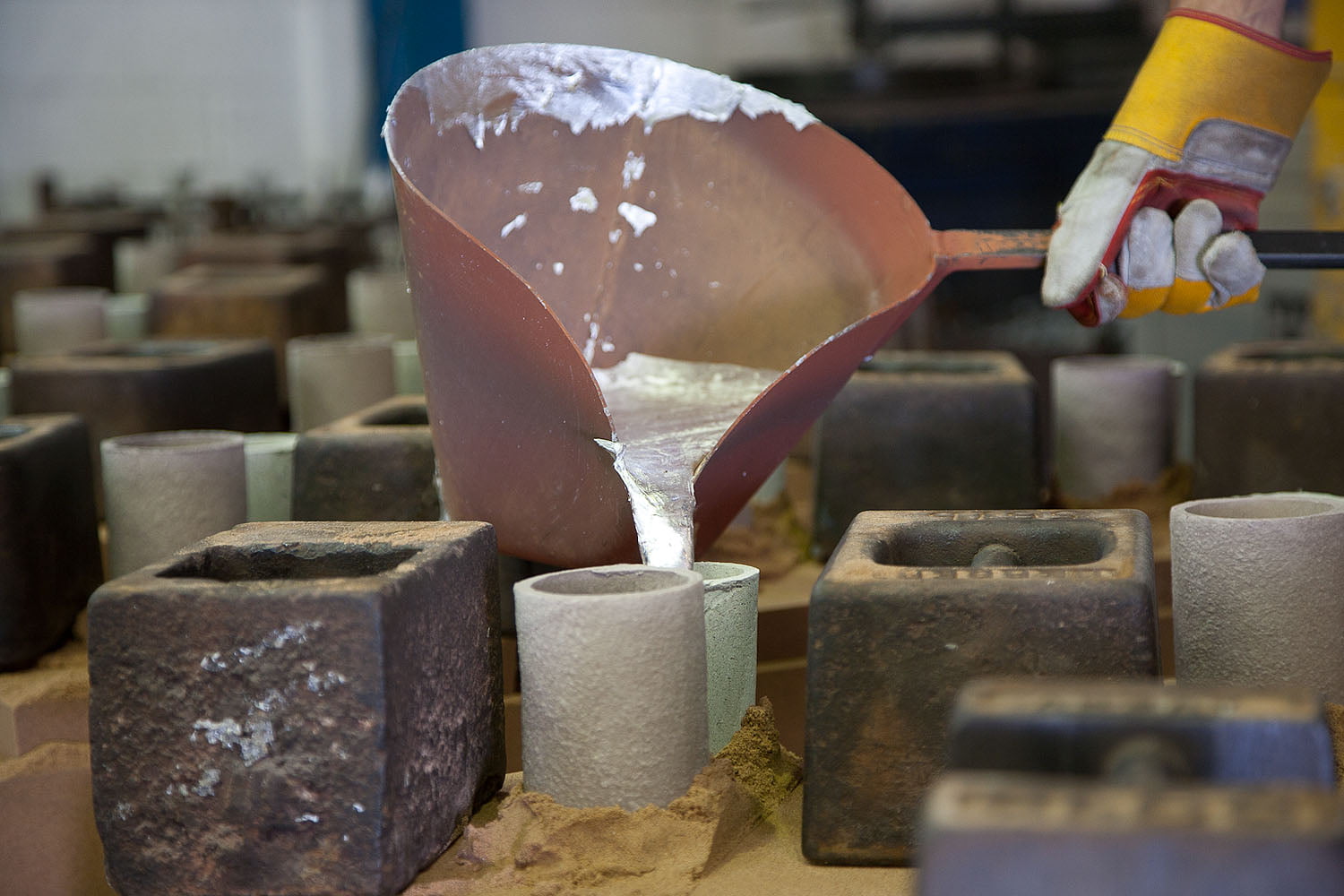
The die casting process is like making a sculpture with metal. You start by melting metal until it’s liquid. Then, you pour this molten metal into a special mold and apply high pressure. When the metal cools, it becomes a solid part.
This method allows you to create detailed and intricate shapes, making it perfect for car parts. The high pressure ensures each piece is strong and well-defined, minimizing the need for extra finishing.
Evolution and Adoption in the Automotive Industry
Die casting began as a way to mass-produce metal parts quickly. Over time, it changed the way car parts were made. Early on, simpler parts were made this way. Now, many complex components are die cast.
The automotive industry embraced this technology to reduce costs and improve quality. Many car companies use it to make lightweight, strong parts like engine blocks and gearboxes.
Role of Industry 4.0 and Automation
Industry 4.0 is the new wave, with smart tech and automation leading the way. In die casting, this means machines can now talk to each other. They can also learn and adapt to make better parts.
Automation helps reduce human error and improves efficiency. You get faster production with fewer mistakes. This integration makes the die casting process smarter and more reliable for automotive manufacturing.
Material Considerations and Advancements
Automotive die casting uses advanced materials to improve performance, weight, and sustainability. Key materials, like aluminum, are crucial for creating lighter and more durable components, while sustainable materials reduce environmental impact.
Benefits of Aluminum in Die Casting
Aluminum is a key player in automotive die casting. You might already know that it’s both lightweight and strong, which makes vehicles more fuel-efficient. Using aluminum helps reduce the weight of cars without compromising strength.
Its capability to withstand high temperatures without warping makes it ideal for engine components. Aluminum’s excellent corrosion resistance also means fewer maintenance headaches down the line. Beyond these traits, aluminum is cost-effective, which helps keep production expenses low.
Sustainability and Eco-Friendly Materials
You can find growing support for eco-friendly materials in die casting today. Materials like recycled aluminum help reduce waste and conserve natural resources. This not only keeps the planet healthier but also cuts down on material costs.
Adopting greener processes means fewer harmful emissions during production. These changes improve air quality and reflect a company’s commitment to sustainability. As a result, choosing eco-friendly materials allows companies to appeal to a more environmentally conscious market.
Enhancing Durability Through Material Science
Material science is essential in enhancing durability for automotive die-cast parts. By focusing on alloys that provide high strength and resistance, manufacturers ensure that components can handle harsh conditions and wear.
New aluminum alloys, for instance, offer improved hardness and thermal conductivity. These upgrades mean that parts last longer and perform better. Using cutting-edge material science helps automakers deliver reliable and durable cars that withstand the rigors of daily use, keeping you on the road longer.
Improving Automotive Efficiency
By using innovative methods, automotive die casting enhances vehicle performance in many ways. You can see significant improvements through weight reduction, which boosts fuel efficiency, as well as the precision of die-cast parts that ensure high quality and reliability.
Weight Reduction and Fuel Efficiency
When it comes to making cars more efficient, lighter components make a big difference. Using die casting, manufacturers can produce parts that are not only robust but also lightweight. This reduction in weight leads to better fuel efficiency. A lighter car requires less energy to move, which means you use less fuel on your journeys. This is great for saving money on fuel and also helps the environment by reducing emissions.
The materials used in die casting, like aluminum and magnesium, play a key role in this weight reduction. These metals are strong yet light, making them ideal for automotive parts. By integrating these materials, car manufacturers can create vehicles that perform better without sacrificing safety or durability.
Precision of Die Cast Parts
Die casting isn’t just about making parts lighter; it’s also about making them better. The precision involved in die casting ensures that every part fits perfectly with others. This high level of accuracy is crucial for a car’s performance, reliability, and longevity. When each component is crafted with precision, the assembled vehicle runs smoothly and more efficiently.
Advanced technology in the die casting process, such as automation and enhanced techniques, contributes to this precision. Features like smooth surfaces and intricate designs are achievable, enhancing both the function and appearance of the parts. With fewer defects and improved consistency, you get a vehicle with superior performance and greater efficiency.
Die Casting Techniques for Performance
Die casting techniques play a crucial role in enhancing vehicle performance by enabling the production of complex parts with high precision. These methods ensure that components are robust, efficient, and fit for modern automotive demands.
High-Pressure Die Casting
High-pressure die casting is at the heart of automotive manufacturing. In this process, metal is forced into a mold cavity at high speeds. This technique allows you to create parts with thin walls and intricate designs, ideal for lightweight car components. The precision achieved through this method ensures dimensional accuracy, making it crucial for parts that demand precise fits.
High-pressure die casting not only promotes production efficiency but also strengthens the structural stability of parts. Its ability to produce parts with consistent quality results in minimal waste and fewer defects, contributing to a more environmentally friendly production process. This method is widely used for producing engine blocks and transmission housings.
Megacasting and Its Impact
Megacasting is a breakthrough in the die casting field. It involves creating exceptionally large metal parts in a single process. If you’re aiming for fewer joints and improved vehicle integrity, megacasting is a game changer. For example, it allows you to cast entire body sections, which improves rigidity and reduces the vehicle’s weight.
This technique also increases production efficiency by reducing assembly time and the number of separate components. The integration of large parts translates to fewer weak points in the vehicle’s design, enhancing overall stability and performance. Megacasting is setting new standards in reducing manufacturing costs while increasing product reliability.
Achieving Dimensional Accuracy and Stability
Achieving dimensional accuracy in die casting is vital for components to function correctly in automobiles. Accurate castings reduce the need for further machining and enhance production efficiency. Techniques that focus on controlled cooling and precise mold designs ensure parts stay true to their specifications.
Stability is key for performance, and it starts with consistent ductility and strength in materials. You benefit from parts that resist warping and maintain their properties under stress, making them reliable over time. In die casting, achieving these characteristics often involves carefully selecting materials and optimizing cooling rates to maintain consistency across production batches.
Assembly and Integration into Vehicle Production
Incorporating die casting into vehicle production boosts efficiency and streamlines assembly lines. It allows for the creation of strong, lightweight structural and engine parts, which can improve vehicle performance and fuel efficiency.
Integrating Die Cast Parts into Assembly Lines
When you think about making cars, imagine an assembly line where each part has a place. Die casting plays a big role here. By creating parts with exact shapes and sizes, you can speed up production.
Using die-cast parts, like brackets or frames, reduces the number of pieces needed. Instead of connecting multiple components, one solid piece can often do the job. This simplifies the assembly process and you need to handle fewer parts. This not only speeds up the line, but also reduces mistakes.
Another advantage is that die-cast parts often don’t need extra work, like machining or finishing. They’re ready to use. This means less time spent on each part, which boosts overall production efficiency.
Die Casting for Structural and Engine Components
Die casting is perfect for creating vital structural components and engine parts. These components must be strong and light to help improve performance and reduce fuel consumption.
For structural parts, die casting creates intricate designs that would be tough to make with other methods. This lets you develop sturdy parts like frames or supports that are both light and strong.
In the engine, die-cast components like housing, brackets, or even the engine block itself can reduce weight significantly. This weight reduction helps vehicles move more efficiently and can improve fuel economy.
By using die-cast parts, you not only make the vehicle lighter but also enhance its durability and reliability, ensuring it runs smoothly for drivers.
Apart from that if you want to know about “Samsung Galaxy Z Fold 5: A Unique Leap into the Future of Smartphones, Features That Will Blow Your Mind” then please visit our Tech Category.