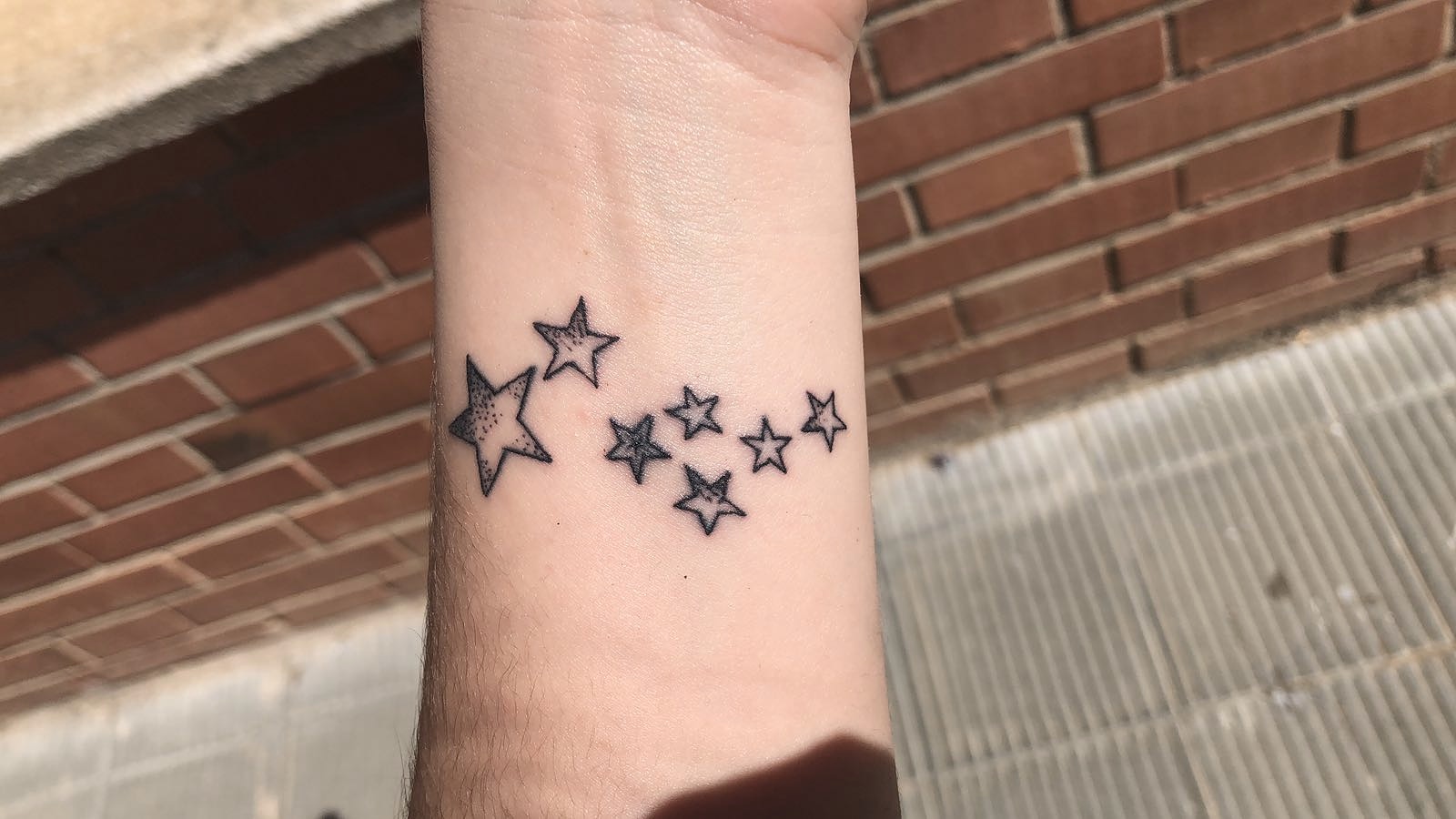
The tattoo trends shaping what comes next are fine-line and micro tattoos, stronger rules on what goes into ink, designs built with digital tools, tattoos created with fading or removal in mind, restorative medical tattooing, and early experiments with “smart” skin technology. Underneath all of them is a shift in attitude: tattoos are now mainstream, people are more willing to change or remove work they have outgrown, and clients expect studios to be safer, better regulated and more design-led than ever. This guide looks at each trend, separates what is already happening from what is still in the lab, and explains what it means if you are planning a new tattoo or thinking about removing one.
Trends at a glance
| Trend | Status | What it means for you |
|---|---|---|
| Fine-line and micro tattoos | Mainstream now | Choose an artist who specialises; small details can blur over time |
| Safer, regulated inks | Happening now in Europe | Ask your studio which inks they use and why |
| Digital and AI-assisted design | Growing quickly | More bespoke designs, but originality and artist input still matter |
| Tattoos designed to fade | Early, limited availability | Lower commitment, but results can be unpredictable |
| Better laser removal | Established and improving | Removal is more realistic, though still takes multiple sessions |
| Medical and restorative tattooing | Established and expanding | Areola, scar and skin camouflage work by specialists |
| Electronic and sensor tattoos | Research stage | Not available as body art yet |
1. Fine-line, micro and minimalist tattoos
Small, delicate designs made with very thin needles have become one of the most requested styles, especially for first tattoos. Think single-line drawings, tiny botanicals, script, constellations and “micro realism” portraits no bigger than a coin. Their appeal is obvious: they are discreet, relatively quick and suit people who want something personal rather than bold.
The catch is longevity. Ink naturally spreads a little in the skin over the years, so very fine lines placed close together can blur, and tiny lettering may become hard to read. Hands, fingers and feet also fade faster because the skin there regenerates and rubs more. If you want a fine-line piece, choose an artist whose healed work (not just fresh photos) you have seen, and ask whether the design should be scaled up slightly to age well.
2. Other styles gaining ground
- Ornamental and blackwork: bold geometric, mandala and pattern-led pieces that follow the shape of the body.
- Patchwork sleeves: collections of small, unrelated designs gathered over time instead of one planned sleeve.
- Illustrative colour work: painterly, watercolour-influenced and animation-inspired pieces.
- Cultural and heritage designs: more people are researching the meaning of traditional motifs and working with artists from those traditions rather than copying them, which is a welcome move away from appropriation.
3. Safer, more regulated inks
For years, tattoo ink was lightly regulated. That changed in the European Union in January 2022, when REACH rules began restricting thousands of hazardous substances in tattoo and permanent make-up inks, with some widely used blue and green pigments restricted from 2023. Ink manufacturers have had to reformulate, and many now market “REACH-compliant” ranges. Northern Ireland follows the EU approach, while Great Britain has been considering its own restrictions, so it is worth asking your studio what inks they use.
You will also see “vegan” inks, which avoid animal-derived ingredients such as bone char or glycerine from animal sources, and more attention on packaging waste and single-use plastics in studios. Be cautious about vague “natural” or “organic” claims: a pigment being plant-based does not automatically make it safer in skin. What matters is that inks come from reputable manufacturers, are sterile, clearly labelled and used within date.
4. Digital design tools and AI
Most artists now sketch on tablets, which makes it easy to resize a design, try it in different placements on a photo of your body and adjust details before a single needle touches skin. Some clients arrive with ideas generated by AI image tools. That can help communicate a mood, but good artists will redraw the idea so it works as a tattoo, because images that look impressive on screen often contain details that will not heal or age well. This fits into wider shifts described in our look at global tech trends, where AI is increasingly a design assistant rather than a replacement for skilled people.
5. Tattoos designed to fade
Some companies have developed inks intended to fade over roughly a year or so, aimed at people who want a tattoo without lifelong commitment. Availability is limited to certain studios, and early user reports suggest fading can be uneven. Separately, plant-based temporary tattoos that last one to two weeks have become popular for testing a design before committing. If you are unsure about a placement or design, a temporary version is a sensible first step.
6. Better tattoo removal
As more people get tattooed, more people also want to lighten, change or remove old work. Laser removal breaks ink into smaller particles that the body gradually clears. Older Q-switched lasers work in nanoseconds; newer picosecond lasers deliver energy in far shorter pulses, which can break up ink more efficiently, particularly some stubborn colours. Removal still usually takes multiple sessions spaced several weeks apart, and results depend on ink colour and depth, skin type, the tattoo’s age and where it is on the body.
Specialist clinics have grown internationally; for example, Sydney tattoo removal services from dedicated providers focus solely on removal and fading for cover-ups. Wherever you are, choose a practitioner who assesses your skin and tattoo in a consultation, explains how many sessions are realistic, carries out a patch test and gives clear aftercare. Many people now use a few sessions just to lighten a tattoo so an artist can cover it with a new design.
7. Medical and restorative tattooing
Tattooing is increasingly used to restore rather than decorate. Areola and nipple tattooing after breast reconstruction, scar camouflage, and pigment work for conditions such as vitiligo are established specialisms, and some artists offer decorative work over mastectomy or surgical scars. Scalp micropigmentation, which recreates the appearance of hair follicles, is also widely offered. This is skilled work: look for practitioners with specific training and before-and-after portfolios.
8. Smart and interactive tattoos: still mostly future
Researchers have built ultra-thin electronic “tattoos” and skin patches that can measure signals such as heart activity, temperature or sweat chemistry, and experimental inks that change colour in response to things like blood sugar or pH. These are promising for health monitoring, but they are research prototypes, not something a studio can put in your skin today. Augmented reality tattoos, where a phone app recognises a design and plays an animation or sound, have existed as novelty projects, but they depend on the app continuing to exist. Treat any claims of “smart tattoos” on offer now with scepticism.
9. Cover-ups, reworks and blast-overs
Alongside removal, more people are choosing to transform an old tattoo rather than erase it. Three approaches are common, and the right one depends on how dark and dense the existing ink is.
| Approach | How it works | Best for |
|---|---|---|
| Cover-up | A new, usually darker and larger design hides the old one completely | Faded or small tattoos where size and colour can increase |
| Rework | The artist refreshes, extends or redraws the existing piece | Blurred linework or designs that only need updating |
| Blast-over | A bold new design is placed over the old one, which stays partly visible | People happy with a layered, deliberate look |
| Laser then cover-up | A few laser sessions lighten the old ink before the new design | Dark or dense tattoos that would limit a cover-up |
A cover-up nearly always needs to be bigger and darker than the original, so ask to see healed cover-up work in an artist’s portfolio, not only fresh pieces. Fine-line and pale colour work is rarely possible over an existing dark tattoo without lightening it first.
Placement trends and how they affect ageing
Where a tattoo goes matters as much as the style. Small, visible placements on fingers, hands, behind the ear and on the inner wrist have become popular with the rise of fine-line work, but these areas tend to fade or blur faster because the skin moves, rubs and is exposed to sun and washing more than most of the body.
- Hands and fingers: frequent touch-ups are common; very fine lines may not hold well over time.
- Feet and ankles: friction from footwear can cause patchy healing.
- Inner arm, upper arm, back and thigh: generally more stable skin that holds detail well.
- Areas with regular sun exposure: UV light fades ink, so high-factor sunscreen on healed tattoos helps keep colour and lines crisp.
What stays the same: choosing a safe studio in the UK
- It is illegal to tattoo anyone under 18 in the UK, even with parental consent.
- Tattoo artists and premises must be registered or licensed with the local council, depending on where you live; ask to see the certificate.
- Needles should be single-use and opened in front of you; surfaces should be covered and gloves changed regularly.
- A good artist will discuss placement, size, healing and aftercare, and will turn down designs that will not age well.
- Tell the artist about skin conditions, allergies or medication that affects healing.
Tattoos are one part of a wider personal style; for more on self-expression through appearance, see our guide to hairstyles for Black women, from braids to curls.
Checklist: planning a tattoo that will age well
- Look at healed photos of the artist’s work, ideally a year or more old, not just fresh images.
- Ask whether the design should be scaled up or simplified to stay readable as it ages.
- Consider placement for fading, sun exposure and how visible you want it at work.
- Try a temporary version for a week or two if you are unsure about size or position.
- Ask which inks the studio uses and whether they meet the rules that apply where you live.
- Plan aftercare time: avoid swimming, sunbathing and tight clothing on the area while it heals.
- Think about future work nearby, so a later tattoo or sleeve can fit around this one.
Bottom line on future tattoo trends
The tattoo trends that matter most for anyone getting inked now are already here: fine-line and micro work, safer and better-regulated inks, digital design and more effective laser removal. Fading inks and smart tattoos are worth watching but are not yet a reliable option. Whatever style you choose, the fundamentals have not changed: pick a licensed studio and an artist whose healed work you have seen, design for how the tattoo will look in ten years rather than ten days, and protect it from the sun once it has healed.
Frequently asked questions
What tattoo styles are most popular right now?
Fine-line and micro tattoos, ornamental blackwork, patchwork sleeves and illustrative colour work are among the most requested styles. Small, discreet placements such as the wrist, fingers and behind the ear remain popular for first tattoos, while patchwork sleeves appeal to people who want to add pieces over time rather than plan one large design.
Do fine-line tattoos last?
They can, but very fine lines and tiny details may blur or fade over time, especially on hands and feet. Choosing an experienced artist and a slightly larger design helps. Protecting the tattoo from the sun and following aftercare advice while it heals also keeps lines sharper for longer, and occasional touch-ups are normal on high-friction areas.
Are smart or electronic tattoos available yet?
Not as body art. Electronic skin sensors and colour-changing inks are still at the research stage. Researchers have built thin skin sensors that track signals such as temperature or heart activity, but none are offered by tattoo studios. Treat any product sold as a smart tattoo today with caution.
How many sessions does laser tattoo removal take?
It varies with ink colour, depth, age, skin type and location. Most tattoos need multiple sessions spaced several weeks apart, and a consultation gives the best estimate. Black ink usually responds better than some colours, and older tattoos often fade more readily than new ones. Partial lightening for a cover-up generally takes fewer sessions than full removal.
Are vegan tattoo inks safer?
Vegan inks avoid animal-derived ingredients but are not automatically safer. What matters is a reputable, compliant manufacturer and sterile, in-date ink. A plant-based or animal-free formula can still cause a reaction in some people, so mention any allergies to your artist. Ask which brand they use if ink ingredients matter to you.
This article is general information, not medical advice. Speak to a qualified practitioner or your GP about skin concerns, tattoo reactions or removal.