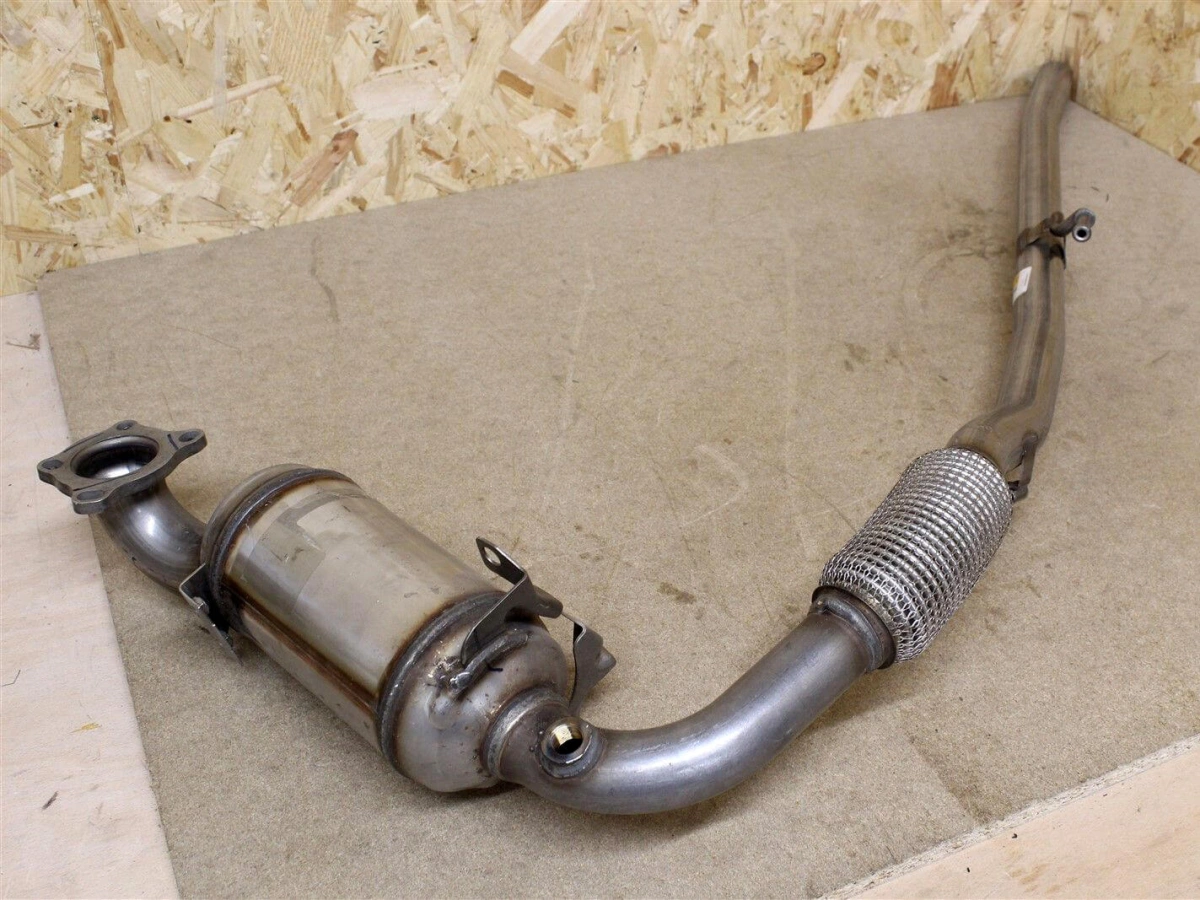
By 2026, sellers are more informed than ever about the value locked inside end-of-life vehicle parts. Yet one question still comes up again and again: what does a fair catalytic converter price actually include?
It is a reasonable question, because pricing is no longer just about a quick visual check and a rough offer. With precious metal markets shifting, compliance standards tightening, and more sellers comparing quotes online, a truly fair deal should reflect far more than guesswork. Whether you are a car dismantler, scrap yard operator, garage owner, fleet manager, or private seller, understanding the components behind a proper valuation can help you avoid underpayment and choose the right recycling partner.
In 2026, fairness means transparency, traceability, speed, and market-based accuracy. It also means working with a recycler that can explain the process clearly rather than hiding it behind vague numbers.
Why catalytic converter valuations vary so much
Every catalytic converter contains a different mix of platinum, palladium, and rhodium. These precious metals are the reason the unit has value, but the exact amount depends on factors such as the make, model, age, engine type, and whether the converter is ceramic, metallic, or part of a diesel particulate filter system.
That is why one quote can differ dramatically from another. Some buyers rely only on external appearance or part numbers. Others use current metal market data, historical unit data, and, for bulk loads, laboratory-backed analysis. The more precise the method, the more reliable the price tends to be.
A fair pricing model should not leave the seller wondering how the number was reached. Instead, it should show that the offer is grounded in real recoverable value and current market conditions.
What a fair catalytic converter price should include
1. Current precious metal market conditions
The first thing a fair offer should include is a connection to live or near-live precious metal pricing. Platinum-group metal prices can move significantly over short periods, and these fluctuations directly affect the value of scrap units.
If a buyer is using outdated market data, the seller may lose out. In contrast, companies that price against current conditions are more likely to provide a fair and defensible rate. This is especially important in 2026, when both industrial demand and global supply factors continue to influence converter values.
For sellers, this means it is worth asking one simple question: is the quote based on today’s market, or last week’s?
2. Accurate identification of the unit
Part numbers, manufacturer marks, and physical design all matter. A converter from one vehicle may look similar to another, yet contain a very different precious metal load. Accurate identification is therefore a core part of fair valuation.
This is where digital databases and specialist knowledge make a major difference. Recyclers with access to broad unit libraries, photos, and historical pricing records are usually better equipped to identify a catalytic converter correctly and avoid lowball estimates.
For sellers handling mixed loads, this step is particularly important. Misidentification can reduce returns across an entire batch.
3. Clear grading and condition assessment
A fair offer should also consider the physical state of the unit. Is the monolith intact? Has material been removed? Is there contamination, damage, or excessive wear? These factors can affect recoverable value and should be reflected honestly, not used as a blanket excuse to reduce every quote.
Good buyers explain what they are seeing and how condition influences settlement. That kind of transparency builds trust, especially for recurring suppliers who need consistency over time.
4. Transparent processing and assay methods for bulk sellers
For one-off sellers, a database-based spot quote may be the right solution. But for larger volumes, fairness often depends on how the material is processed after collection. Decanning, milling, homogenization, sampling, and chemical analysis all play a role in establishing accurate metal content.
In those situations, a fair catalytic converter price should include access to a documented process. If the buyer offers toll refining or bulk settlement, there should be a clear explanation of how samples are taken, what analysis method is used, and how final payment is calculated.
This is one area where established recyclers stand out. A company like Blancomet, for example, combines practical industry buying experience with compliant processing and precise valuation methods, which is exactly what professional sellers increasingly expect in 2026.
5. Compliance and documentation
Price matters, but so does legality. A fair transaction should include the correct paperwork, proper waste handling procedures, and a traceable chain of custody. This protects both the seller and the buyer.
In regulated sectors, missing documents can create far bigger costs than a small pricing difference. That is why many businesses now evaluate recycling partners not only on payout, but also on documentation standards, environmental compliance, and operational reliability.
In practical terms, fairness includes being paid properly and being able to prove the material was handled correctly.
6. Prompt and reliable payment
Even the best quote loses value if payment is delayed or unclear. A fair deal in 2026 should include prompt payment terms, clear communication, and no hidden deductions. Sellers should know when they will be paid, how much they will receive, and what the payment basis is.
This may sound basic, but in a market where trust is everything, it remains one of the strongest signs of a reputable recycler.
Red flags that suggest the price may not be fair
If you are comparing buyers, watch out for warning signs such as:
- Quotes that cannot be explained
- Offers that seem fixed regardless of part number or condition
- No mention of metal markets or identification methods
- Lack of paperwork or vague compliance language
- Unclear payment terms
- Pressure to accept immediately without review
A low-friction sale is helpful, but it should never come at the expense of transparency. Informed sellers in 2026 are looking for both convenience and confidence.
Why data-backed pricing matters more in 2026
The catalytic recycling market is becoming more sophisticated. Sellers have better access to information, while buyers are expected to support their offers with stronger systems and clearer logic. At the same time, sustainability goals are pushing more businesses to work with recyclers that can demonstrate responsible recovery and reporting.
That means the best outcomes increasingly come from partners that combine digital tools, market awareness, technical processing knowledge, and practical customer service. If you can check part references, understand market-linked value, and receive compliant documentation, you are much more likely to achieve a fair result.
For many suppliers, this is exactly why specialist recyclers are becoming the preferred option over general buyers.
How to choose the right recycling partner
Before accepting an offer, ask a few key questions:
- How was this unit identified?
- Is the quote based on current precious metal prices?
- What paperwork is included?
- How quickly is payment made?
- For bulk loads, how is material sampled and assayed?
The answers will tell you a lot about whether the buyer is competing on real value or simply trying to secure stock cheaply.
If you are looking for a dependable benchmark, reviewing how a specialist handles catalytic converter price evaluations can be a smart place to start. It helps sellers see what transparent, market-aware recycling should look like in practice.
The bottom line for sellers in 2026
A fair price is not just the highest number on the phone. It is the combination of accurate identification, live market awareness, honest grading, compliant handling, clear documentation, and fast payment. When all of those elements are present, sellers can be confident they are getting true value rather than a rough estimate.
As the market continues to evolve, working with a specialist recycler can reduce uncertainty and improve returns over time. Whether you are selling one catalytic converter or managing regular volumes, it pays to choose a partner that values transparency as much as the material itself.
For anyone wanting a clearer view of how professional catalytic recycling works, Blancomet is a useful resource to explore, especially if fair pricing, compliance, and efficient service are priorities in 2026.