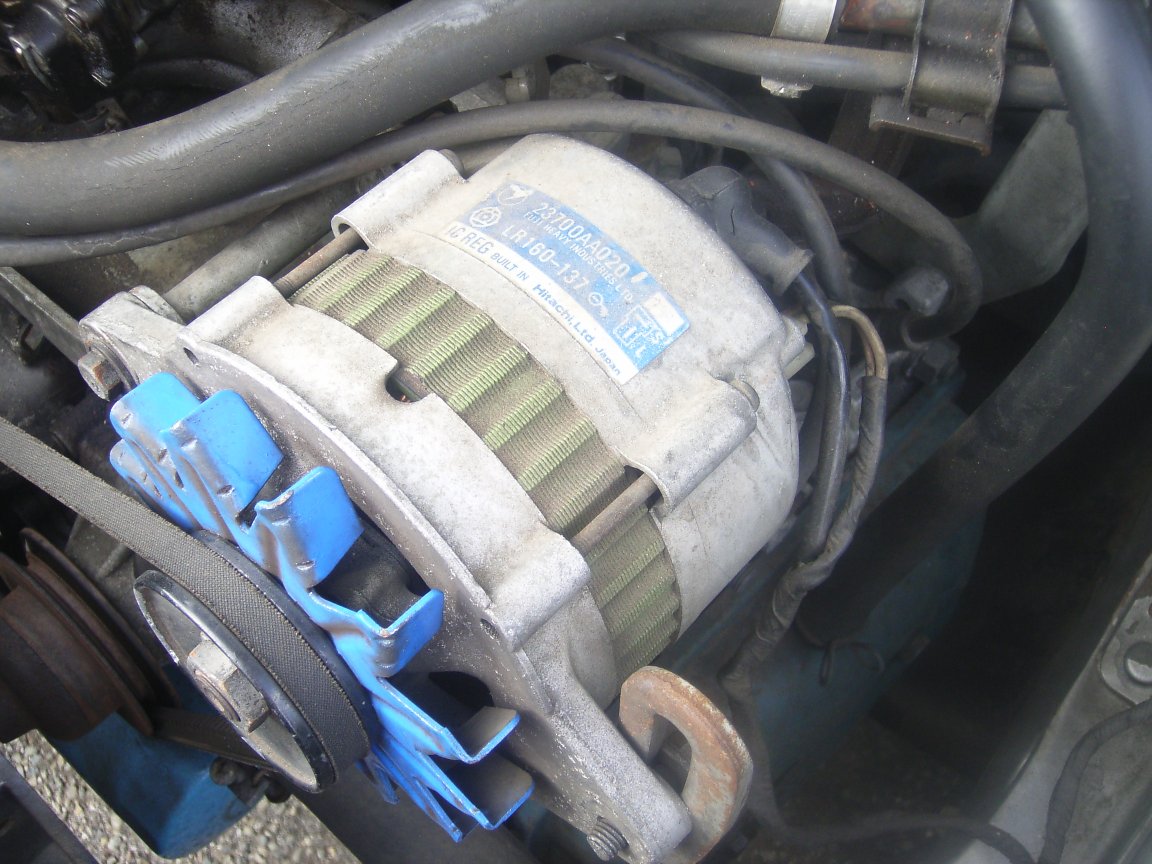
Generators are a blessing when it comes to providing electricity in the event of power outages, construction sites, and control areas. Just as much as the generator’s engine happens to be where it is, so does the alternator for the most part. It’s the device that produces the electricity utilized to drive machinery and appliances. To purchase a generator or keep a functional one, knowing the function and the working mechanism of the alternator will help in intelligent buying and not overpaying.
What Is an Alternator?
An alternator is the generating component that transfers motion to electricity. After the generator’s engine has been started and generates a shaft to spin, the alternator spins the motion and generates alternating current (AC). In essence, the engine generates the motion, and the alternator converts it into useful electricity.
How Does It Work?
An alternator is made up of two main components: the rotor and the stator.
- Rotor (or Field): The part of the generator which rotates to generate a magnetic field.
- The Stator: The fixed part made of wire loops. When the rotor rotates within the stator, it induces an electrical current in the wire — electricity the generator generates.
This is done based on the laws of electromagnetic induction that Michael Faraday established. The alternator keeps generating electricity as long as the engine runs.
Importance of the Alternator in a Generator
A generator without an alternator is nothing but an engine. The alternator takes up the job of creating the power supply — to your house, site machinery, or business machinery. A weak or faulty alternator will yield low output, light flickering, equipment failure, or total power output loss.
Selecting the proper alternator, or having it serviced correctly, gets your generator to generate clean, stable, and clean electricity.
Key Things to Keep in Mind for a Generator Alternator
1. Power Rating
Alternators are rated in kilowatts (kW) or kilovolt-amperes (kVA). The alternator must be equal to or greater than the engine size. The alternator will overwork and possibly die prematurely if it is too small.
2. Phase Type
Single-phase alternators are used in home and light commercial loads (usually up to 10kW).
Three-phase alternators are used for industrial, commercial-type generators and are better suited for high power consumption.
3. Voltage Regulation
Better alternators contain an Automatic Voltage Regulator (AVR) so the voltage output will be the same regardless of the changing load conditions. It is particularly important when powering sensitive electronics or hospital gear.
4. Brush vs Brushless Alternators
Brushed alternators employ carbon brushes to carry current. Brushed alternators are less expensive but maintenance intensive when the brushes are worn out.
Brushless alternators are less wear and tear, less maintenance, and used in commercial or heavy duty.
5. Cooling Method
Alternators are warmed by heat, particularly by extended use. Alternators are air-cooled and liquid-cooled where they experience harsh industrial use. A good cooling system for effective operation leads to effective operation for a longer duration.
Fault Symptoms
Alternators will inevitably die or get damaged. These below are the most frequent faults with symptoms the alternator is on the verge of death:
- Unstable power production or light flutter
- Voltage drops during loading
- Inconsistency or strange noise upon operation
- The generator will operate but not produce power
Planned maintenance and advance replacement of worn-out parts may prevent the generator from total failure.
Replacing Your Alternator or Replacing an Alternator
When replacing or upgrading a generator for improved efficiency, the alternator is one crucial component to be replaced. Always acquire a replacement alternator that’s compatible with:
- Engine speed (normally 1500 or 3000 RPM for UK 50Hz applications)
- Output voltage and frequency
- Mounting compatibility
It is advised to buy alternators from reputable UK suppliers and that they should be British Standards (BS) and UKCA safety standard compliant.
While too frequently neglected, the alternator is the key to all generator function. Whether purchasing a new generator or reviving an old one, a quality, correctly matched alternator is what delivers on-demand power. Having a grasp of the fundamentals of how they work and what to inspect will pay dividends later on in time, dollars, and headache’s avoided. Contact us for more information on alternators for generators.
Apart from that if you want to know about “Kids Wireless Headphones for Safe and Enjoyable Listening Experiences” then please visit our “Tech” Category.