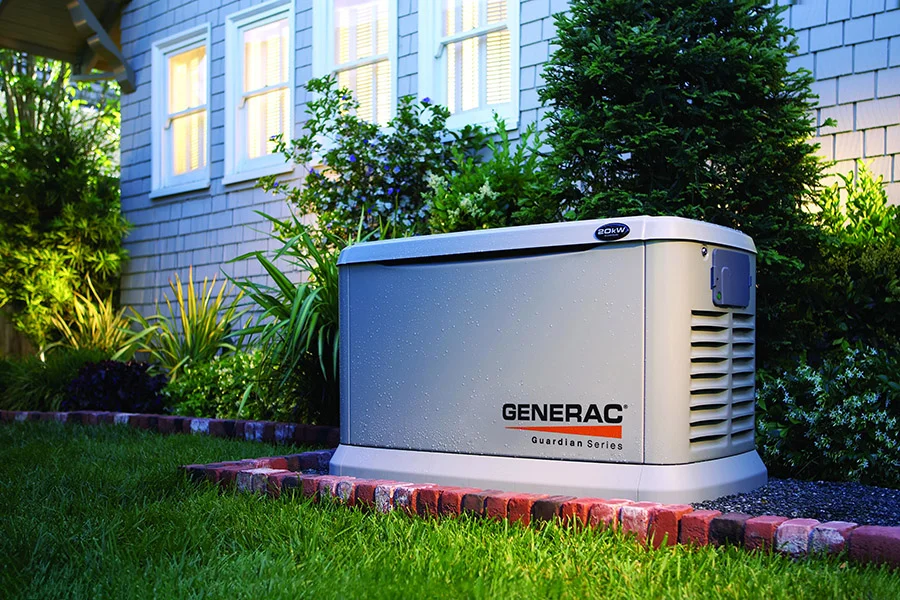
Understanding Home Generators
Home generators are essential for providing backup power during outages. They range from portable units to larger standby systems, catering to different needs and settings. You’ll learn about the types of generators available and how they function to keep your home powered when the grid fails. More from us: How to harden apple application architectures against dynamic memory exploits.
Types of Home Generators
Standby Generators: These are permanently installed outside your home, much like a central air unit. They automatically supply power when a blackout occurs and typically run on natural gas or propane. Standby generators are suitable for powering your entire house, making life more comfortable during outages.
Portable Generators: These are mobile and typically smaller. You can move them where needed, and they generally run on gasoline. Portable generators are cost-effective and great for powering essential appliances and tools. They’re ideal for outdoor activities or short-term use in an emergency.
Each type has its benefits and limitations. Standby generators offer seamless operation and higher power capacity, while portable generators provide more flexibility and affordability. Choose based on your power needs, budget, and any features you prioritize.
How Home Generators Work
Home generators are designed to detect electrical outages. When one occurs, standby generators automatically activate, supplying power within seconds. They connect to your home’s electrical panel and provide power to pre-selected circuits or the entire house.
Portable generators require manual setup. You’ll need to connect them to appliances or a home transfer switch using extension cords. They offer power directly from their outlets and need fuel refills during extended use.
Whether standby or portable, both types convert mechanical energy into electrical power you can use. This is crucial for running household appliances, keeping lights on, and ensuring vital systems like heating remain functional.
Selecting the Right Generator for Your Home
Choosing the right generator for your home involves understanding your power needs, considering fuel sources, and deciding between portable and standby models. Here’s what you need to know to make an informed choice.
Power Requirements Calculation
To start, list all the appliances and devices you want to power during an outage. Common items might include refrigerators, lights, and heaters.
| Appliance | Typical Wattage |
| Refrigerator | 700W |
| Lights | 60W (per bulb) |
| Heater | 1,500W |
Next, add up these wattages to find the total power needed. It’s smart to select a generator with a capacity about 20% higher than your total to account for power surges.
Fuel Source Considerations
Generators can run on various fuels like gasoline, propane, or natural gas. Each fuel has its pros and cons.
Gasoline is widely available but needs careful storage due to its volatility. Propane burns cleaner but requires a tank. Natural gas is a convenient choice if available, providing endless fuel through a gas line. It’s important to consider fuel cost and availability in your area when deciding.
Portable vs Standby Generators
Portable generators are versatile and can be moved to different locations. They’re typically less expensive, making them a flexible option for temporary power needs. Portables are a good choice if you plan to use the generator in various places or as an emergency backup.
Standby generators, on the other hand, are more powerful and connect directly to your home’s electrical system. They start automatically during power outages, providing a seamless transition. Standbys usually run on natural gas or propane, offering consistent energy without the need for refueling. If you want reliability without much manual effort, standbys are worth considering.
Installation and Safety
When installing a home generator, it’s important to consider professional help and take safety measures seriously. Proper installation can prevent electrical hazards, while carbon monoxide safety precautions can protect your health.
Professional Installation Process
Hiring a professional electrician for your generator installation is highly recommended. They will ensure the generator is safely connected and advise on the placement of the device. Proper grounding procedures are followed, which prevents electrical shocks and other hazards.
A key component of installation is the transfer switch. This switch connects your generator to the home’s electrical system, allowing safe operation without backfeeding electricity into the power grid. An electrician will install this to prevent any dangerous situations. They will also make sure your generator is placed far enough from your home to reduce risks like fire hazards. A safe distance could be around 5 feet from anything that can burn.
Carbon Monoxide Safety
Carbon monoxide (CO) safety is crucial when using generators. Because CO is a toxic gas without color or smell, it is important to place the generator outdoors and away from windows, doors, and vents to prevent CO from entering your home.
It’s a good idea to install carbon monoxide detectors in your home, especially near bedrooms. These devices can alert you in case of unsafe CO levels, protecting you and your family from carbon monoxide poisoning. Always operate your generator in open spaces with good ventilation to prevent any buildup of this dangerous gas. Avoid operating it in garages or indoors, even if doors and windows are open, as this can still lead to hazardous conditions.
Operating Your Generator
When operating your generator, it’s important to follow the right procedures for starting and stopping. Regular maintenance keeps your generator working well and helps solve common issues before they become big problems.
Starting and Stopping Procedures
Begin by making sure your generator is in a safe location outside. Use an outdoor-rated extension cord to connect it to appliances. Make sure your generator has enough fuel.
Starting:
- Ensure all appliances are disconnected.
- Check oil and fuel levels.
- Turn the fuel valve to “on.”
- Set the choke to “closed” or “start.”
- Pull the start cord or press the start button.
Stopping:
- Disconnect appliances.
- Let the generator run for a few minutes to cool down.
- Turn off the generator using the power switch.
- Turn the fuel valve to “off.”
Remember, never connect the generator directly to your home’s wiring, known as backfeeding. This can be dangerous.
Maintenance and Troubleshooting
Routine maintenance ensures your generator stays reliable. Check oil levels and change the oil as needed. Clean or replace the air filter regularly. If your generator runs on natural gas, inspect the line for leaks.
Resolve common problems by checking these areas:
Generator won’t start:
- Ensure there’s enough fuel and oil.
- Check spark plugs for wear.
- Make sure the choke is set correctly.
Power output issues:
- Verify that the outdoor-rated extension cord is intact.
- Investigate any tripped circuits.
Regular checks keep your generator in top shape, ready for emergencies.
Legal and Ethical Considerations
When setting up a home generator, you need to think about legal rules like getting permits and following safety laws. It’s also important to consider how using a generator affects the environment, such as air quality and noise levels.
Permits and Regulations
It’s important to know that many localities require permits to install a generator at home. You should check with your local government to find the rules you have to follow. Having the right permits ensures you don’t face fines or legal issues.
Safety regulations are also crucial. You must position your generator safely to avoid hazards like carbon monoxide poisoning. Generators should not be used indoors, in garages, or near windows and doors to prevent CO exposure. Violating safety rules can lead to accidents or health risks, so always pay attention to these guidelines.
Environmental Impact
Generators can affect the environment in several ways, and you should be mindful of these effects. First, they produce noise, which can be a disturbance, especially in quiet neighborhoods. Choosing a model known for quieter operation can help reduce noise pollution.
Emissions from generators, particularly carbon monoxide and other gases, can harm air quality. Consider using generators that meet specific environmental standards to reduce this impact. Storing fuel properly and handling it with care are important to prevent spills, which can also cause environmental harm. Being responsible with generator use helps protect both your community and the planet.
Apart from that if you want to know about “The Benefits of Solar Energy Storage in Life: Harnessing Sustainable Power” then please visit our Tech Category.