Power cuts don’t happen when it’s convenient. One minute you’re making a cuppa or halfway through work — the next, everything’s off. It’s not just annoying; it can shut down your home, business or site completely. That’s why a growing number of people are turning to newer, better generators. The older types were noisy, clunky and guzzled fuel. These newer ones? A bit of a different story.
Whether you’re managing a site, hosting a food stall, or just want to keep the heating going during a winter outage, the right generator makes life that bit easier. The tech’s moved on quite a bit in the last few years — quieter, smaller, easier to control and not half as greedy on fuel.
This guide isn’t going to waffle on or throw buzzwords at you. Just clear, real-world info so you can work out what you actually need — and what’s a waste of money.
Why Are People Buying New Generators?
It’s not just a trend or people getting fancy. A lot of the older models out there simply aren’t built for how things are used now. Power cuts are more common, people work from home more, and fuel isn’t exactly cheap these days.
Here’s why so many are upgrading:
- They use less fuel – Big win with prices how they are.
- Quieter than they used to be – You don’t have to shout over it.
- Easier to manage – Some even link to your phone, so you know what it’s doing.
- Follow the latest rules – Especially if you’re using them on a site or at an event where regulations apply.
- Take up less space – Good news if you’ve not got much room to spare.
Older units often can’t compete with that. For a lot of people, it’s not about luxury — it’s just practical.
What Type of Generator Should You Get?
The word ‘generator’ covers all sorts now. There isn’t one type that suits everyone. What you go for depends on how often you’ll use it, where it’s going, and what it’s powering.
1. Portable Generators
Handy for camping, mobile catering vans, or small job sites. They’re small enough to move about, and plenty of new generators have USB sockets, quieter running, and steady power for basic kit.
If you’re only needing to charge tools or run a couple of things, these can do the job without costing a fortune.
2. Standby Generators
These stay put and are hooked into your mains. If your power cuts out, they switch on automatically. Great for houses, care homes or businesses that can’t risk everything turning off.
Newer ones are weatherproof, come with app controls and don’t rattle like older models.
3. Inverter Generators
Ideal for things that don’t like dodgy power — laptops, smart TVs, medical equipment. These give out smooth, consistent power and are usually the quietest of the lot.
Lots of people use them in caravans or even in garden offices where you don’t want a massive racket.
4. Diesel Generators
If you need something tough that’ll run for hours and take a bit of a beating, these are what most builders and event crews use. They’re built to last.
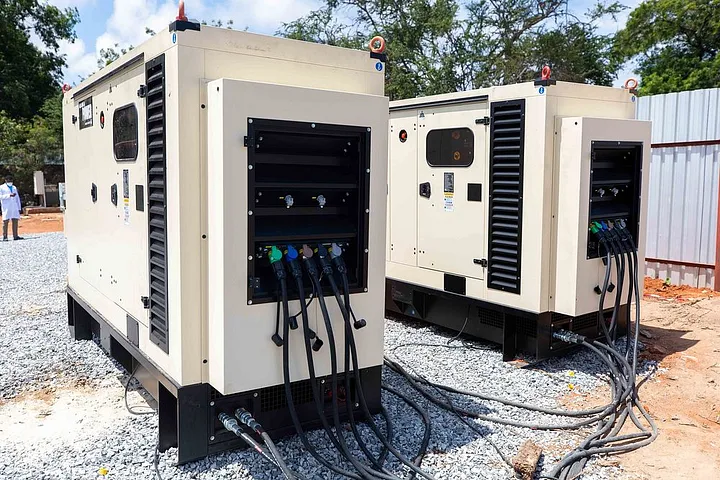
The newer ones are cleaner and more efficient than the old diesel clunkers. Worth it for regular, heavy use.
5. Hybrid or Solar Generators
These mix fuel with battery power, and some top up from solar too. Good for remote spots or anyone trying to keep things a bit more eco-friendly. They’re quieter and cleaner, but they’ll cost more upfront.
Key Things to Look For
Not all features matter to everyone, but depending on what you’re doing, these are worth keeping in mind:
- Push-button start or remote control – Saves time (and your back).
- Low-oil shutoff – Stops the engine running dry and doing damage.
- Display screens – Show you voltage, runtime, and how it’s holding up.
- Parallel ports – You can link two together if you need more power.
- Noise control – A must if you’re in a built-up area or running events.
- ATS (Automatic Transfer Switch) – Kicks in without you touching a thing when the mains drops out.
Not all generators come with the above as standard, so double-check before buying.
Choosing What’s Right for You
Ask yourself a few simple things:
- What are you actually powering?
Lights and a fridge, or a workshop full of tools? Write it all down and check the wattage — don’t guess. Some things like fridges take more power to start than they use once running. - Where’s it being used?
Back garden? Rooftop? Building site? Noise and size will matter more in some spots than others. - How often will you run it?
Once a month or every day? If it’s just for emergencies, you don’t need the best one on the market. If it’s going to run every weekend, spend the extra. - What fuel makes the most sense?
Petrol’s everywhere but gets pricey. Diesel’s cheaper to run long-term. LPG and solar are quieter and cleaner, but cost more upfront.
Keeping It Running
Even the best generators need looking after. You don’t want it failing when you need it most. Most modern models have alerts that tell you when things need checking.
Basic upkeep includes:
- Checking oil regularly
- Replacing or cleaning air filters
- Running it every so often so the fuel doesn’t go stale
- Storing it properly, especially in colder months
- Servicing it when the manual says to
- If you look after it, even a small one can keep running for years.
Where People Use Generators in the UK
- Homes – For backup during blackouts or bad weather.
- Shops & Clinics – Keeping tills, lights and freezers going.
- Construction Sites – Tools, lights, heaters and trailers.
- Outdoor Events – Stages, lights, speakers, and catering kit.
- Farms & Cabins – Off-grid or unstable power areas.
Final Word
You don’t need to spend a fortune, and you don’t need the biggest model going. Just figure out what you need it to run, how often, and where it’ll live. After that, it’s just a case of choosing one that does the job without burning through fuel or making a racket.
Speak to someone who knows what they’re doing before buying — not just a sales rep, but someone who’s used these things. It’ll save you time and money in the long run.
Apart from that if you want to know about “The Benefits of Solar Energy Storage in Life: Harnessing Sustainable Power” then please visit our Tech category.