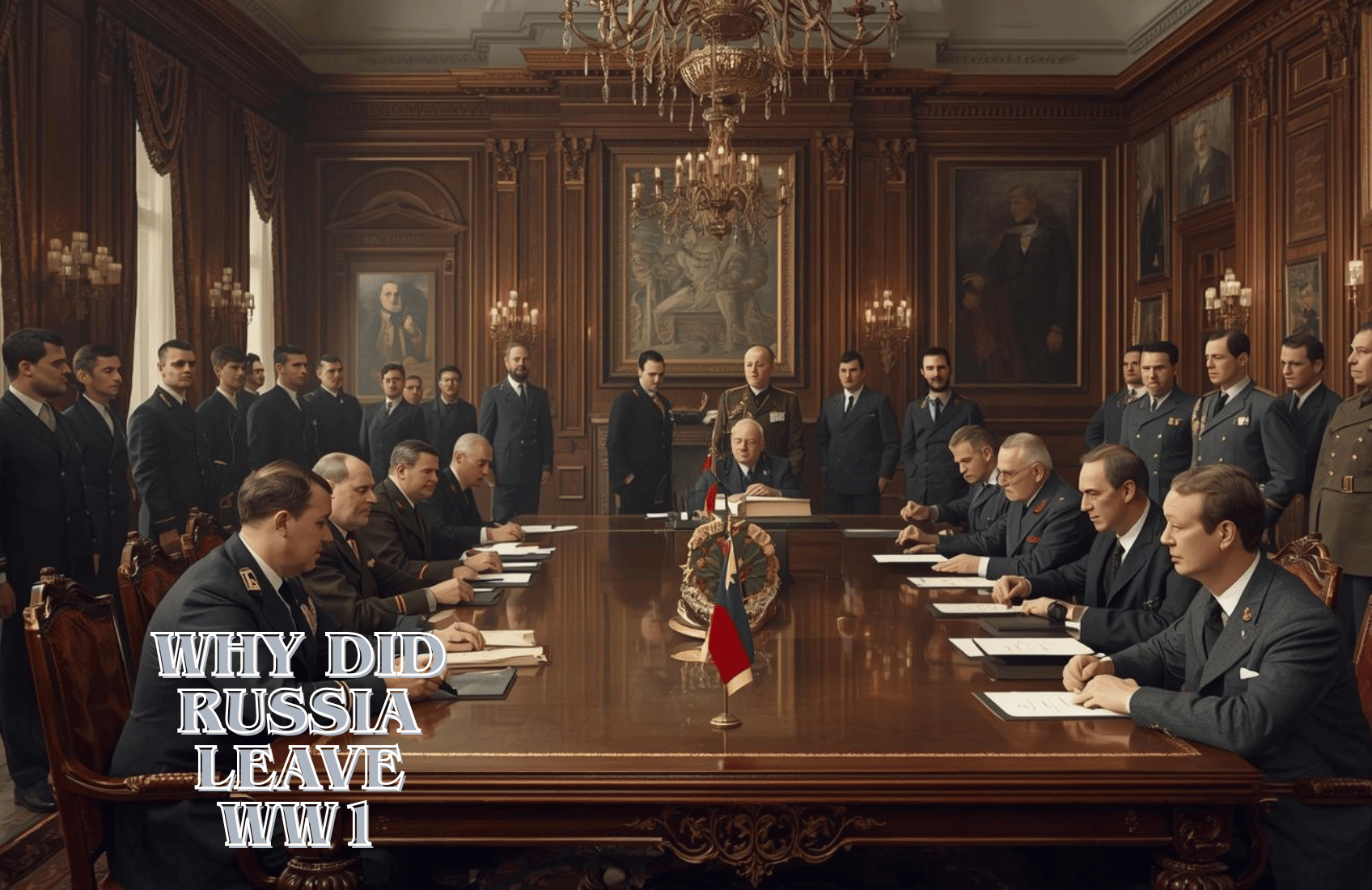
World War I was a conflict that shook the foundations of Europe, toppling empires and redrawing borders, but few events were as unexpected and as consequential as Russia’s abrupt exit in 1917–1918. Once a formidable Allied Power, Russia’s withdrawal sent shockwaves through Europe, leaving Germany with a freer hand on the Eastern Front and reshaping the dynamics of the war. So why did Russia leave WW1?
The story is a dramatic tale of staggering military losses, crippling economic strain, political chaos under the Tsar, and revolutionary upheaval that ultimately forced the Russian Empire to sign the harsh Treaty of Brest-Litovsk, forever changing the course of history. This complete guide explores the events and forces that pushed Russia out of the First World War.
| Why did Russia leave WW1? | Key Points |
| Russia’s Role at the Start of WW1 | Joined Allied Powers, fought on the Eastern Front against Germany & Austria-Hungary, with a large army but poor leadership & outdated equipment. |
| Military Collapse | Heavy casualties (over 1.7 million killed), poor coordination, declining morale, and soldiers lacked weapons & supplies. |
| Economic Breakdown | Tsar Nicholas II took personal command of the army; Alexandra and Rasputin undermined the monarchy, corruption and incompetence, and public trust collapsed. |
| Political Chaos | Tsar Nicholas II took personal command of the army; Alexandra and Rasputin undermined the monarchy, corruption and incompetence, and public trust collapsed. |
| Russian Revolution of 1917 | Russian Civil War (1918–1921), creation of the Soviet Union (1922), and permanent transformation of Russia’s political system, economy, and global position. |
| Rise of Bolsheviks | Lenin promised “Peace, Land, and Bread,” gained the support of soldiers, workers, peasants; the October Revolution seized power. |
| Reasons for Leaving WW1 | Ideological (opposed imperialist war), Practical (army collapsing, economy in ruins, civil unrest). |
| Treaty of Brest-Litovsk | Signed March 1918, harsh terms: surrendered territories, lost 1/3 population, major agricultural and industrial losses. |
| Impact on WW1 | Germany gained a temporary advantage, moved troops to the Western Front, US forces helped the Allies, and Germany was ultimately defeated. |
| Long-Term Consequences | Russian Civil War (1918–1921), creation of the Soviet Union (1922), and permanent transformation of Russia’s political system, economy, and global position. |
Why Did Russia Leave WW1?
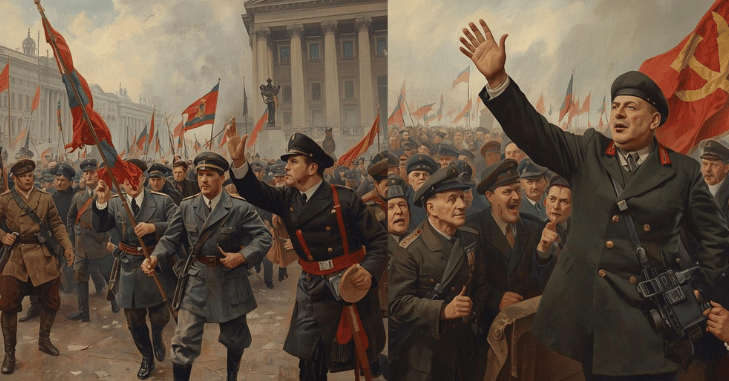
The question Why Did Russia Leave WW1? is rooted in a combination of military defeats, economic hardship, and political upheaval. Russia faced catastrophic losses on the Eastern Front, with millions of soldiers killed, wounded, or captured, while supply shortages and poor leadership further weakened the army.
At the same time, civilian populations suffered food shortages, inflation, and industrial collapse, fueling widespread unrest. Political chaos under Tsar Nicholas II and the subsequent Russian Revolution of 1917 created a power vacuum that allowed the Bolsheviks to seize control. To stabilize the new government and secure immediate peace, they negotiated the Treaty of Brest-Litovsk, formally ending Russia’s participation in the war.
Russia’s Role at the Start of World War I
- World War I began in 1914.
- The Russian Empire joined the Allied Powers.
- Russia fought alongside France and the United Kingdom.
- It mobilized a massive army for the Eastern Front.
- Russian forces fought primarily against Germany and Austria-Hungary.
Early Expectations
- Many believed Russia’s large population would give it a strong advantage.
- Its vast natural resources were expected to support a long war effort.
- However, major weaknesses quickly became clear:
- Poor military leadership
- Outdated weapons and equipment
- Weak industrial capacity
- Limited and inefficient transportation infrastructure
Military Collapse on the Eastern Front
One of the biggest reasons Russia left WWI was its severe military failure. Continuous defeats, poor coordination, and overwhelming casualties weakened the Russian army and shattered confidence in the government.
Heavy Casualties and Poor Coordination
Russian forces suffered devastating losses early in the war, especially at the Battle of Tannenberg in 1914. Throughout the conflict, millions of soldiers were killed, wounded, or captured. By 1917, over 1.7 million Russian soldiers had died, while millions more were injured or taken prisoner.
The army also struggled with severe supply shortages. Many troops lacked proper weapons, ammunition, uniforms, and even food. In extreme cases, soldiers were sent into battle without rifles and were instructed to collect weapons from fallen comrades. These conditions highlighted the army’s poor organization and inadequate preparation for modern warfare.
Declining Morale
As casualties increased and living conditions worsened, morale within the army collapsed. Soldiers grew frustrated and exhausted from fighting a war that seemed endless and meaningless. Desertions became more common, and loyalty to the government steadily weakened.
Economic Breakdown and Civilian Hardship
- The war placed enormous strain on Russia’s already fragile economy.
- Military demands overwhelmed the country’s limited resources and infrastructure.
Food Shortages and Inflation
- By 1916–1917, food supplies were scarce in major cities.
- Prices of basic goods skyrocketed due to inflation.
- Fuel shortages disrupt transportation and daily life.
- Railway systems prioritized military transport over civilian needs.
- Many civilians struggled to access necessities.
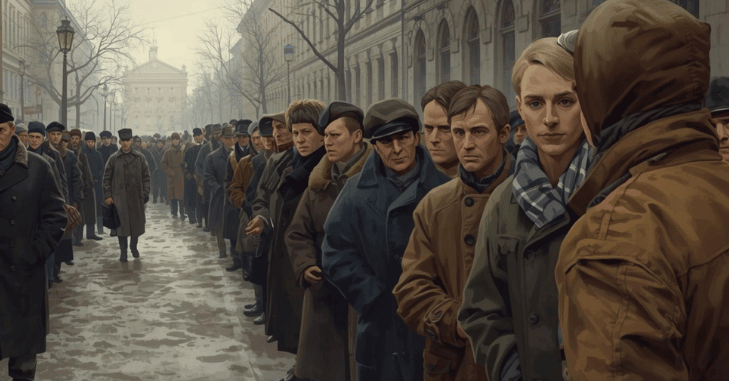
- Long bread lines have become common in cities such as Petrograd.
Industrial Weakness
- Russia lacked the industrial capacity to sustain a prolonged modern war.
- Factories struggled to produce sufficient weapons and supplies.
- Workers endured poor working conditions and low wages.
- Labor strikes and public protests increased.
- Economic collapse intensified public anger and weakened support for the government
Economic Strain and Resource Shortages During the War
Another major factor that contributed to Russia’s exit from World War I was the extreme strain placed on its economy and resources during the prolonged conflict. As the war continued, Russia struggled to maintain steady production of weapons, food, and essential supplies due to weak industrial infrastructure and inefficient transportation systems.
Railways were often overloaded with military demands, leaving civilian regions without adequate food and fuel supplies. Factories faced shortages of raw materials, leading to reduced output and growing unemployment. This economic pressure not only weakened the war effort but also intensified public dissatisfaction, pushing the country closer to collapse.
Political Chaos Under Tsar Nicholas II
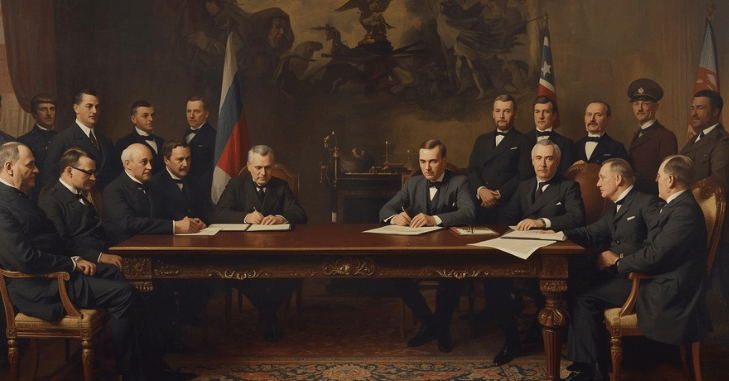
At the center of Russia’s deepening crisis was Tsar Nicholas II, whose leadership failures accelerated the empire’s collapse. In 1915, he made the critical decision to take personal command of the Russian army, which meant he was directly blamed for continued military defeats while leaving domestic affairs in the hands of inexperienced and ineffective officials.
At the same time, his wife Alexandra’s heavy reliance on the controversial mystic Grigori Rasputin severely damaged the monarchy’s public image. Widespread corruption, government incompetence, and political repression further eroded public trust, strengthening opposition movements and increasing unrest. By 1917, confidence in the tsarist regime had nearly vanished, and the monarchy stood on the brink of total collapse.
The Russian Revolution of 1917
- The breaking point for Russia came in 1917 with two major revolutions.
The February Revolution
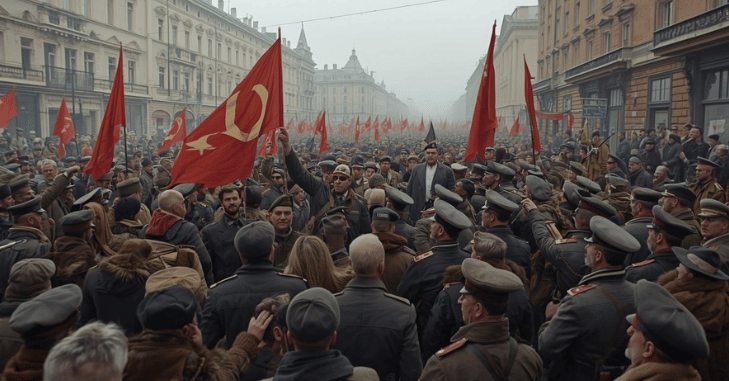
- In early 1917, strikes over food shortages turned into mass protests in Petrograd.
- Demonstrations grew rapidly as workers demanded bread and better conditions.
- Soldiers eventually refused orders to suppress the crowds.
Key outcomes
- Tsar Nicholas II abdicated the throne.
- The Romanov dynasty came to an end.
- A Provisional Government was established.
- Centuries of imperial rule officially ended.
The Provisional Government’s Mistake
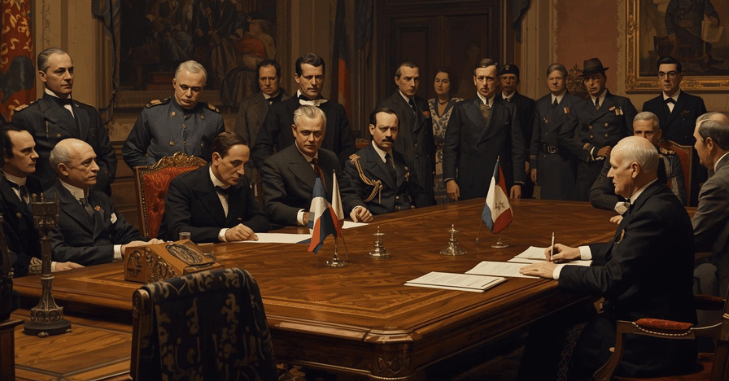
- The new Provisional Government promised political reforms and democracy.
- However, it decided to continue fighting in World War I.
- This decision proved disastrous for the country.
Consequences
- Soldiers were physically and emotionally exhausted.
- The economy continued to collapse.
- The public increasingly demanded immediate peace.
- Ongoing participation in the war deepened instability and further weakened the government.
The Rise of the Bolsheviks
Amid the political and social chaos of 1917, the Bolsheviks, a radical political group led by Vladimir Lenin, gained widespread support among soldiers, workers, and peasants by promising “Peace, Land, and Bread.” They called for immediate peace, land redistribution, and worker control of industry, positioning themselves in direct opposition to the Provisional Government and its continuation of the war.
In November 1917 (October in the Russian calendar), the Bolsheviks successfully seized power in Petrograd during the October Revolution, and the newly established communist government immediately began efforts to negotiate peace with Germany.
Why the Bolsheviks Wanted to Leave WW1
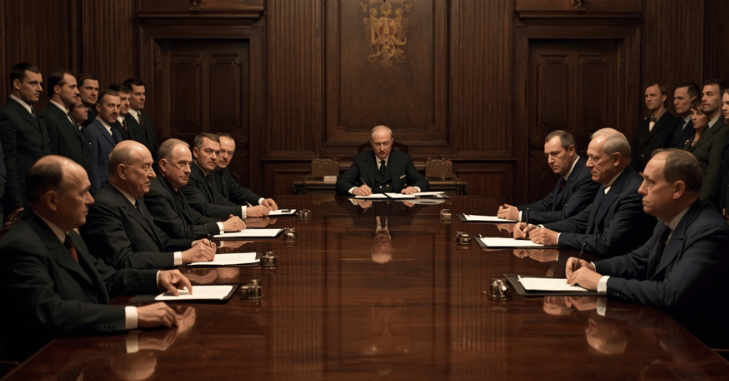
For the Bolsheviks, leaving the war was both ideological and practical.
Ideological Reasons
- They viewed the war as an imperialist conflict
- They believed workers should not fight for capitalist governments
- They wanted to focus on building a socialist state
Practical Reasons
- The army was collapsing
- The economy was in ruins
- Civil war was brewing inside Russia
The Treaty of Brest-Litovsk
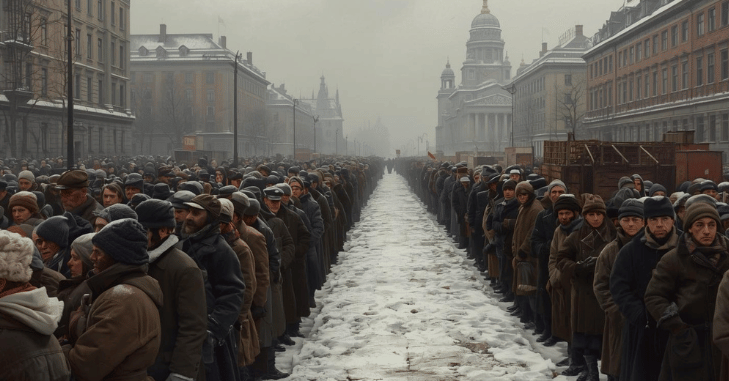
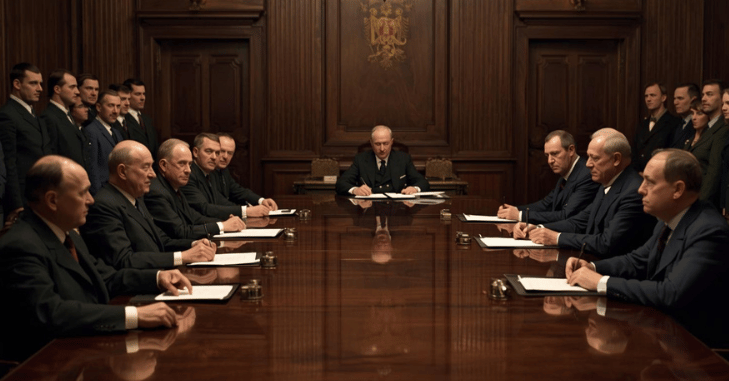
Peace negotiations between Russia and Germany culminated in the signing of the Treaty of Brest-Litovsk in March 1918, formally ending Russia’s involvement in World War I.
Terms of the Treaty
The treaty imposed severe conditions on Russia, which played a central role in the answer to why did Russia leave WW1. It required the country to surrender vast territories, recognize the independence of Ukraine, relinquish control of Poland, Finland, and the Baltic states, and give up significant population and resources.
Why Lenin Accepted Harsh Terms
Despite the harsh conditions, Lenin accepted the treaty, prioritizing the survival of the Bolshevik government over territorial losses. He believed Germany might soon lose the broader war, the treaty could be renegotiated or reversed later, and immediate peace was necessary to consolidate Bolshevik power.
Impact on World War I
Germany’s Temporary Advantage
With the Eastern Front closed, Germany transferred troops to the Western Front. This allowed Germany to launch major offensives in 1918.
- The United States had entered the war in 1917
- Fresh American troops bolstered Allied forces
- Germany ultimately could not sustain victory
Long-Term Consequences for Russia
Russian Civil War
After signing the treaty, Russia descended into a brutal civil war between:
- The Red Army (Bolsheviks)
- The White forces (anti-communists)
The conflict lasted until 1921 and caused widespread devastation.
Birth of the Soviet Union
In 1922, the Soviet Union was officially established. The Bolsheviks consolidated control and reshaped Russia into a communist state.
The war and revolution permanently transformed Russia’s political system, economy, and global position.
Conclusion
Why Did Russia Leave WW1? The question reflects a complex interplay of military failure, economic collapse, political mismanagement, and revolutionary upheaval. The combination of staggering losses on the Eastern Front, widespread civilian hardship, and the collapse of public trust in Tsar Nicholas II created conditions that made continued participation in the war impossible.
The rise of the Bolsheviks and their promise of “Peace, Land, and Bread” directly led to Russia negotiating the Treaty of Brest-Litovsk, formally ending its involvement in World War I. Understanding the events behind Russia’s exit provides critical insight into how internal crises, social unrest, and strategic decisions can reshape a nation and influence global history.
Want to know about How to Write an Explanatory Essay – A Complete Guide for UK Students Check out our Education category.
FAQs
Due to political unrest, economic collapse, military setbacks, and the 1917 Russian Revolution that resulted in the Treaty of Brest-Litovsk, Russia withdrew from World War One.
Lenin saw the war as an imperialist struggle and wanted Russia to withdraw from it so that it could concentrate on establishing a socialist state and strengthening Bolshevik rule.
Although there isn’t just one “bad guy” in World War I, the Allies viewed Germany and Austria-Hungary as aggressors.
Indeed, the Soviet Union lost more soldiers and civilians than any other nation during World War II, roughly 27 million.