
Remote teaching jobs have revolutionized education, allowing teachers to reach students worldwide while enjoying the flexibility of working from home. As digital learning continues to grow, educators now have opportunities to teach across K–12 schools, universities, and specialized tutoring platforms, breaking traditional geographic and scheduling barriers. Whether you are a certified teacher, language instructor, or subject expert, remote teaching provides a flexible and fulfilling career option.
It allows you to leverage technology to deliver engaging lessons, reach students worldwide, and apply creative teaching methods. This adaptable path opens doors to diverse opportunities across schools, universities, and online platforms. They provide a flexible, technology-driven career path that suits certified teachers, language instructors, and subject experts alike. By leveraging online platforms and creative teaching methods, educators can enjoy professional growth, global reach, and a fulfilling work-life balance.
| Section | Key Points |
| What Are Remote Teaching Jobs? | Professional roles that enable educators to teach entirely online via video conferencing, LMS, and virtual classrooms. Roles include online school teachers, university lecturers, ESL tutors, private tutors, corporate trainers, and curriculum developers. |
| Types of Remote Teaching Jobs | – K–12 Online Teaching: Virtual schools like K12 Inc. and Connections Academy. – University & College Teaching: Online lecturers at universities like University of the People and Southern New Hampshire University. – Online Tutoring Platforms: Platforms like Tutor.com and Chegg offer flexible tutoring roles. |
| Qualifications Required | Bachelor’s degree, teaching certification (for K–12), TEFL/TESOL (for ESL), Master’s/PhD (for universities), strong communication, and technical skills. |
| How to Find Remote Teaching Jobs | Use educational job boards, apply to online schools/universities, build a LinkedIn profile, join teaching communities, and prepare a strong CV highlighting online teaching experience. |
| Essential Skills for Success | Digital literacy, time management, engagement techniques, adaptability, and clear communication. |
| Benefits | – Flexibility: Work from anywhere with a self-set schedule. – Global Opportunities: Teach students from diverse backgrounds. – Cost Savings: Reduce commuting and relocation costs. – Career Growth: Opportunities in the expanding online education sector. |
| How to Get Started | Identify your niche, gain certifications, prepare a resume/demo lesson, apply to multiple platforms, and continuously upgrade digital skills. |
| Challenges | Internet issues, screen fatigue, student engagement, time zone differences, and isolation from colleagues. It can be mitigated with planning and digital tools. |
What Are Remote Teaching Jobs?

Remote teaching jobs are professional roles that enable educators to deliver instruction entirely online rather than in a physical classroom setting. Through video conferencing platforms, digital learning management systems (LMS), and interactive virtual classrooms, teachers can connect with students from anywhere in the world. These positions offer flexibility in scheduling and work arrangements, allowing educators to work full-time, part-time, or on a freelance basis, depending on the institution or platform.
Remote teaching offers a diverse array of career paths for educators, from online school teachers and university lecturers to ESL tutors and private subject specialists. It also includes opportunities as corporate trainers and curriculum developers, catering to different expertise and interests. These roles allow educators to share knowledge globally while working remotely. With such variety, remote teaching provides flexibility, professional growth, and the chance to make a meaningful impact on learners worldwide.
Types of Remote Teaching Jobs
Remote teaching jobs come in various forms, catering to different education levels and professional expertise. From K–12 online instructors and university lecturers to ESL tutors and private subject specialists, opportunities are diverse and flexible. Each type offers unique responsibilities, allowing educators to choose roles that match their skills, qualifications, and career goals.
K–12 Online Teaching
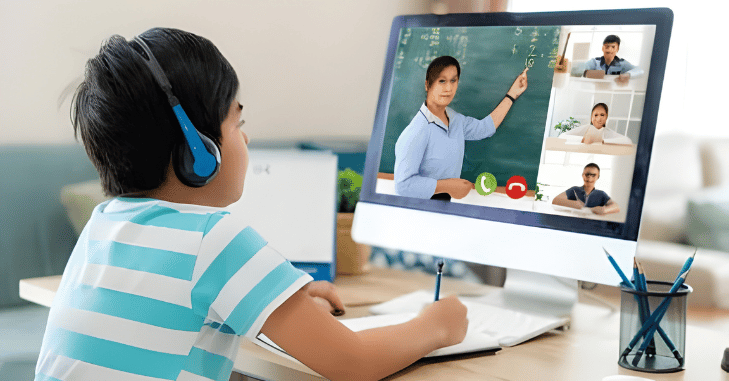
Many accredited virtual schools hire certified teachers to teach primary and secondary students online. Platforms like K12 Inc. (now known as Stride Inc.) and Connections Academy provide structured online schooling programs.
Online University & College Teaching
Higher education institutions offer remote lecturer and adjunct professor roles. Universities such as University of the People and Southern New Hampshire University provide fully online degree programs.
Online Tutoring Platforms
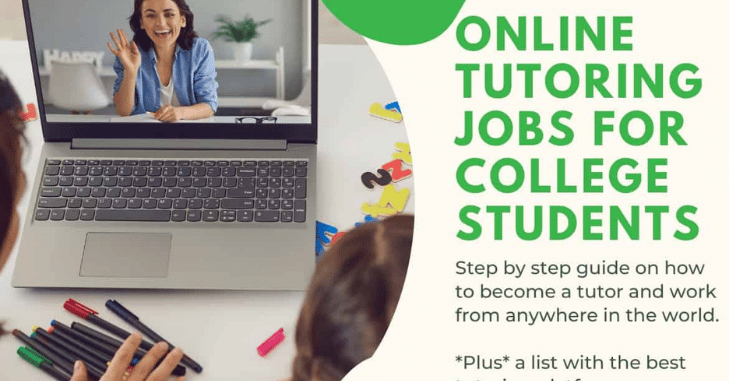
Online tutoring platforms provide a convenient way for educators to teach students worldwide while maintaining complete control over their schedules. Platforms like Tutor.com and Chegg match qualified tutors with learners seeking help in subjects ranging from math and science to business and beyond.
Qualifications Required for Remote Teaching Jobs
The qualifications vary depending on the job type:
- Bachelor’s degree (minimum requirement for most positions)
- Teaching certification or license (for K–12 roles)
- TEFL/TESOL certification (for ESL teaching)
- Master’s degree or PhD (for university-level teaching)
- Strong communication skills
- Technical proficiency
How to Find Remote Teaching Jobs?
Finding remote teaching opportunities requires a strategic approach to showcase your skills and connect with the right platforms. Start by exploring educational job boards that specialize in online teaching positions, and apply directly to virtual schools, universities, and tutoring platforms. Building a professional LinkedIn profile and joining teaching communities or forums can help you network with other educators and discover hidden opportunities. Additionally, preparing a strong CV that highlights your online teaching experience, technical skills, and certifications will increase your chances of securing a rewarding remote teaching role.
Essential Skills for Success
To thrive in remote teaching, you need more than subject knowledge:
- Digital literacy—Comfort with Zoom, Google Classroom, and LMS tools
- Time management—managing students across different time zones
- Engagement techniques—Keeping students motivated online
- Adaptability—Adjusting teaching style for virtual environments
- Clear communication—since body language is limited online
Benefits of Remote Teaching Jobs

- Remote teaching jobs offer unmatched flexibility, allowing educators to work from anywhere and set their own schedules. They open doors to global opportunities, connecting teachers with students from diverse cultures and backgrounds. Additionally, these roles reduce commuting costs and provide a comfortable, technology-driven teaching environment.
- Flexibility: Work from any location, set a schedule that fits your lifestyle, and balance personal and professional responsibilities with ease.
- Global Opportunities: Connect with students from diverse countries and cultural backgrounds, enriching your teaching experience.
- Cost Savings: Reduce or eliminate commuting, work attire, and relocation expenses by teaching from home.
- Career Growth: Benefit from the fast-growing online education sector, offering long-term stability and opportunities for advancement.
How to Get Started Today?
Starting a remote teaching career begins with identifying your specific teaching niche and understanding the audience you want to reach. Obtaining any necessary certifications and preparing a polished resume, along with a compelling demo lesson, will help you stand out to employers and students. Apply to multiple online platforms to maximize your opportunities, and stay competitive by continuously upgrading your digital and teaching skills. With dedication and the right preparation, you can launch a successful and fulfilling remote teaching journey.
Emerging Trends in Remote Teaching Jobs
Remote teaching is rapidly changing with the use of AI tools and digital learning platforms. These technologies help teachers personalize lessons, automate grading, and give faster feedback, making online teaching more efficient and interactive. At the same time, short certification courses and micro-credentials are becoming popular, helping educators quickly improve their digital skills and stay competitive in the global education market. Another important trend is personal branding for teachers. Many educators now share content through online courses, webinars, and platforms like YouTube or LinkedIn to reach a wider audience.
Challenges of Remote Teaching

While remote teaching offers flexibility and global opportunities, it also comes with certain challenges that educators must navigate. Internet connectivity issues can disrupt lessons, while prolonged screen time may lead to fatigue. Keeping students engaged online requires creative strategies, and working across different time zones can complicate scheduling. Additionally, teaching remotely can sometimes feel isolating without regular interaction with colleagues.
Conclusion
Remote teaching jobs present an exciting career opportunity for modern educators seeking flexibility, global connections, and professional growth. While challenges such as time zone differences and online engagement exist, the benefits range from cost savings and career advancement to the opportunity to teach students worldwide. Make remote teaching a highly appealing career choice by focusing on your strengths and identifying your niche.
Equip yourself with the right certifications and skills to shine in the competitive world of online education. By mastering digital teaching tools and techniques, you can deliver engaging lessons that resonate with students globally. Utilize multiple online platforms to connect with a diverse audience and maximize your reach. This approach opens doors to broader professional opportunities and a rewarding, flexible teaching career.
Want to know about Why Did Russia Leave WW1? A Complete Guide to Russia’s Exit from World War I, Political Chaos, the Russian Revolution, Military Collapse Check out our Education category.
FAQs
Pak Studies bachelor’s or master’s degree. competent in both classroom management and contemporary teaching techniques. excellent communication abilities and a dedication to career advancement.
Whether you are a subject matter expert, a full-time instructor, or a part-time tutor, online teaching enables you to reach a wider audience and make money from enthusiastic learners.
I can use my Chromebook or smartphone. Sadly, that is untrue. A PC or laptop with high-speed internet is necessary to handle video and audio, while each online teaching organization has its own unique tech needs.
Although the criteria differ per organization, it is feasible to teach English online without a degree. The majority of businesses want teachers to have at least 120 hours of TEFL/TESOL certification, be fluent in English, and have excellent communication skills.
One of the earliest online programs for teacher certification that provided an alternative certification path was Teacher Ready. The program gives students a way to work a full-time job and obtain professional teacher certification online.