Introduction
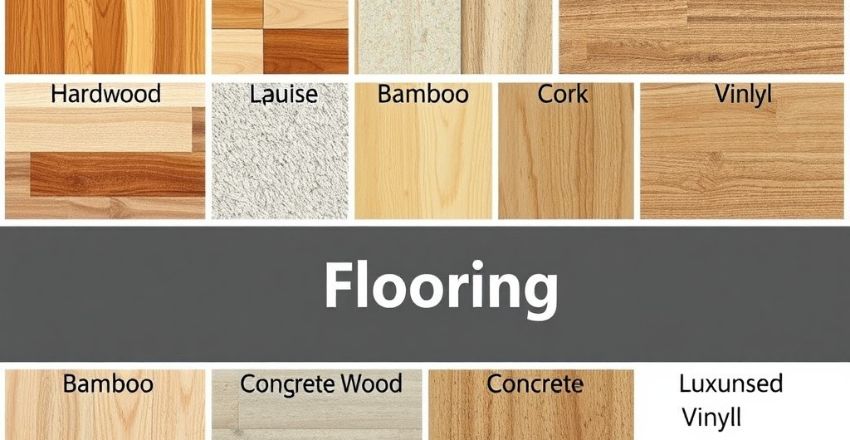
Choosing the best types of flooring is essential for creating a comfortable and stylish home. From classic hardwood to budget-friendly vinyl, each flooring type offers unique benefits. Whether you prefer elegant stone or eco-friendly bamboo, there’s a perfect option to suit your lifestyle and budget. This article will explore the various types of flooring, including their costs, durability, and maintenance tips.
Choosing the Right Type of Flooring for Your Space
When deciding on the ideal flooring for any room, it’s important to consider how different flooring types impact both function and aesthetic appeal. Hardwoods like oak and maple bring timeless warmth and durability to living areas, while engineered wood offers a similar look with increased moisture resistance, making it suitable for basements or kitchens. Laminate and vinyl flooring provide budget-friendly, easy-to-install alternatives that mimic natural materials and stand up well to everyday wear and tear. Tile options, including ceramic and porcelain, are especially practical for high-moisture spaces like bathrooms and entryways. By understanding the strengths and limitations of each flooring material — from the soft comfort of carpet to the robust performance of tile — homeowners can match their choice to their lifestyle needs, space usage, and design preferences.
Types of Flooring
Choosing the right flooring transforms a home’s look and feel. Popular types of flooring include hardwood for elegance, carpet for coziness, and tile for durability. Vinyl and laminate are budget-friendly options, while stone and bamboo add eco-friendly style. Each type suits different needs, ensuring you find the perfect match for your lifestyle and design preferences.
Hardwood Flooring: A Timeless Classic
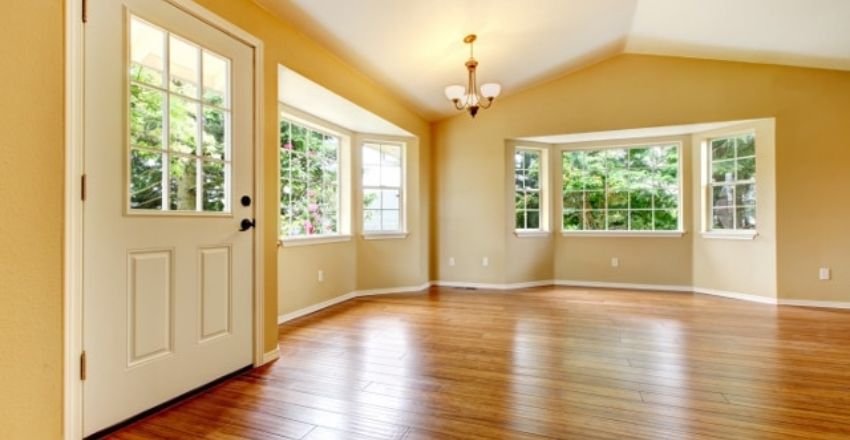
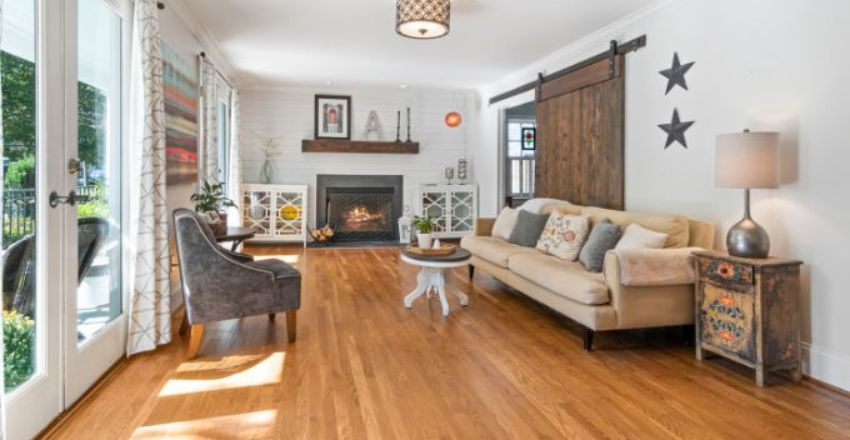
Hardwood flooring is a favorite for its natural beauty and durability. Made from solid wood like oak or maple, it adds warmth to any space. It’s long-lasting but requires maintenance, like refinishing over time. Hardwood is ideal for living rooms and bedrooms, offering an elegant and classic appeal that never goes out of style.
Laminate Flooring: Affordable and Durable
Laminate flooring mimics the look of hardwood or stone but at a lower cost. It’s made from layers of synthetic materials and is resistant to scratches and stains. Easy to install, it’s a great choice for busy households. While less durable than real wood, laminate works well in high-traffic areas like hallways and kitchens.
Tile Flooring: Stylish and Versatile
Tile flooring, available in materials like ceramic and porcelain, is known for its versatility. It comes in various patterns and colors, allowing customization for any room. Tiles are water-resistant, making them perfect for bathrooms and kitchens. They are durable and easy to clean, but installation and repair can be more labor-intensive than other options.
Vinyl Flooring: Budget-Friendly and Waterproof
Vinyl flooring is an affordable, water-resistant option for kitchens, bathrooms, and basements. It comes in sheets, tiles, or planks and can replicate the appearance of wood or stone. Vinyl is soft underfoot and reduces noise, making it family-friendly. Its low cost and easy maintenance make it a practical choice for many homeowners.
Carpet Flooring: Soft and Cozy
Carpet flooring provides comfort and warmth, ideal for bedrooms and family rooms. It suits multiple design preferences and is available in various colors, textures, and patterns. While it requires regular cleaning to prevent stains and allergens, the carpet offers excellent insulation and adds a cozy touch to any space.
Stone Flooring: Elegant and Durable
Natural stone flooring, such as marble, granite, or slate, is known for its elegance and durability. It enhances the luxurious feel of homes and is suitable for indoor and outdoor spaces. Stone is long-lasting but can be expensive and requires sealing for protection. It’s an excellent option for foyers and patios.
Bamboo Flooring: Eco-Friendly Choice
Bamboo flooring is an environmentally friendly alternative to hardwood. It’s made from bamboo grass and is highly durable, stylish, and sustainable. Bamboo is resistant to moisture, making it suitable for areas like kitchens. However, it’s prone to scratches and dents, so it’s best used in low-traffic spaces like bedrooms or home offices.
Cork Flooring: Comfortable and Quiet
Cork flooring is soft underfoot and provides sound insulation, making it ideal for playrooms or living rooms. It’s eco-friendly and harvested from tree bark without harming the tree. Cork resists mold and mildew but is susceptible to scratches and fading. Regular sealing helps maintain its appearance and durability over time.
Engineered Wood Flooring: Durable and Stylish
Engineered wood flooring combines the beauty of hardwood with enhanced durability. It’s made from a top layer of real wood and a plywood or fiberboard core. This structure makes it resistant to moisture and temperature changes. It suits living rooms and dining areas, offering a stylish and practical alternative to solid hardwood.
Linoleum Flooring: Vintage and Eco-Friendly
Linoleum flooring, made from natural materials like linseed oil, is an eco-friendly and cost-effective option. It’s durable, water-resistant, and available in vibrant colors and patterns. Linoleum is easy to clean and works well in kitchens, laundry rooms, and play areas. Its retro appeal makes it a popular choice for vintage or artistic designs.
Tips to Maintain Flooring
Proper maintenance keeps your flooring looking new and lasting longer. Clean spills immediately to prevent stains or damage. Use soft brooms or vacuums for regular cleaning. Add rugs in high-traffic areas to reduce wear. Avoid excessive moisture for hardwood, and use mild cleaners for tiles. Follow manufacturer guidelines for long-term care of your chosen flooring type.
Choosing Flooring
Consider your needs, budget, and style when choosing flooring. For high-traffic areas, prioritize durability with tile or laminate. Hardwood offers timeless elegance, while carpet adds warmth. Evaluate moisture resistance for bathrooms or kitchens. Match flooring colors to room decor and compare costs and warranties. Choose options that balance your space’s function, aesthetics, and long-term value.
How Flooring Affects Home Resale Value
Beyond comfort and appearance, flooring can play a major role in a property’s market value and buyer appeal. Well-chosen flooring creates a positive first impression and can make rooms appear larger, cleaner, and more inviting. Many homebuyers view quality flooring as a long-term benefit because it reduces the need for immediate renovations after purchase.
Materials such as hardwood, engineered wood, and porcelain tile are often considered premium options due to their durability and classic appearance. Even modern luxury vinyl flooring has gained popularity for offering an attractive look with excellent practicality. By selecting flooring that matches the home’s style and can withstand everyday wear, homeowners can improve both their living experience and the potential resale value of their property.
Flooring Durability
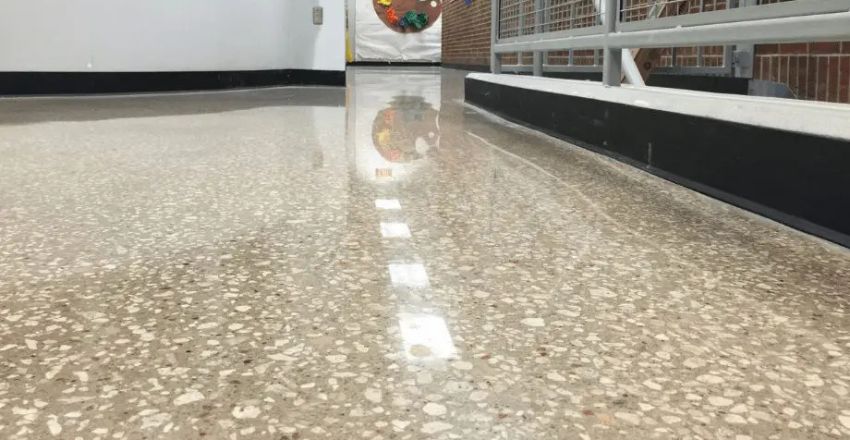
Durability depends on material and maintenance. Tile, stone, and concrete flooring are highly durable for busy spaces. Hardwood is long-lasting but requires refinishing. Laminate and vinyl resist scratches, making them ideal for families. Carpets wear quickly in high-traffic areas but work well in bedrooms. Assess daily use and care needs to ensure your flooring lasts.
Flooring Costs
Flooring costs vary widely by material. Hardwood and stone are premium options, while vinyl and laminate are budget-friendly. Factor in installation charges, as tile and stone are labor-intensive. Carpets offer low upfront costs but need frequent replacement—balance initial expenses with maintenance needs and lifespan to choose the flooring that fits your budget and lifestyle.
Conclusion
Selecting the right types of flooring enhances your home’s comfort, style, and functionality. Each option caters to specific needs and budgets, from durable tile to cozy carpets. This article highlights the features, costs, and maintenance of various types of flooring, helping you make an informed decision. Choose flooring that reflects your taste and meets your practical requirements.
Apart from that if you want to know about “Ready to Renovate? An In-Depth Guide Explore These Stunning Kitchen Extension Ideas” then please visit our “Home Improvement” Category.
FAQs
Tile and stone flooring are the most durable options.
Vinyl and laminate are low-maintenance flooring choices.
Tile and laminate work best in high-traffic areas.
Bamboo and cork are eco-friendly flooring options.
The best flooring depends on room use, lifestyle, and budget, with popular options including hardwood, vinyl, laminate, tile, and carpet.