Introduction
Specialized workers have specific skills, training, or knowledge in a particular work area. These workers often focus on one type of task or profession, making them experts in their field. Specialized workers in healthcare, technology, construction, or education play a key role in improving efficiency and quality. Their advanced skills allow companies to handle complex tasks that require more than general knowledge. In today’s job market, specialized workers training is highly valued because they bring unique expertise that can help businesses stay competitive and innovate in their respective fields.
Importance of Specialized Workers in the Workforce
- Specialized workers are crucial for the success and efficiency of various industries.
- Their focused knowledge allows them to solve complex problems, create innovative solutions, and improve productivity.
- For example, in the medical field, specialized doctors or surgeons perform intricate procedures that require years of training. Similarly, experts in software development can create cutting-edge applications in technology.
- Specialized workers contribute to the growth of industries and enhance the quality of services provided.
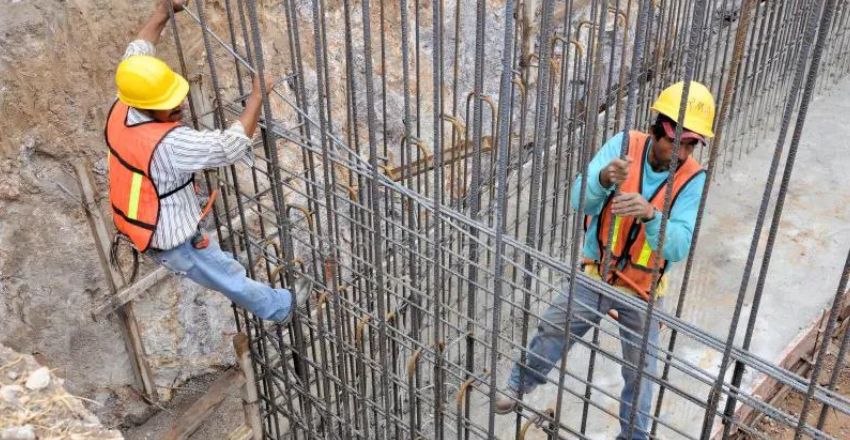
Specialized Workers Training
Becoming a specialized worker usually requires extensive education and training. Depending on the field, this might include university degrees, technical certifications, or apprenticeships. Many specialized professions, such as engineers, doctors, or IT experts, require continuous learning to stay updated with advancements in their field. Hands-on experience is equally important, allowing specialized workers to apply their knowledge in real-world settings. This combination of education and practical experience ensures they can perform their tasks precisely and with expertise.
Why Specialized Worker Training is Critical for Business Growth
Specialized worker training equips employees with targeted skills that directly match the unique demands of their job roles, making it an essential investment for any organization aiming to improve performance and competitiveness. Unlike general training, which focuses on broad workplace competencies, specialized training hones in on particular technical, industry-specific, or task-oriented abilities that help employees perform at a higher standard and adapt to evolving business needs. This type of training not only enhances productivity and quality of work but also boosts employee confidence, job satisfaction, and overall morale by demonstrating that the company values their professional growth. As industries continuously change due to technological advancements and market trends, providing workers with specialized training ensures your workforce remains up-to-date, efficient, and capable of meeting future challenges with confidence.
Examples of Specialized Workers in Different Industries
- Specialized workers can be found in nearly every industry. In healthcare, nurses, surgeons, and radiologists are specialized professionals.
- Architects and electricians bring specialized knowledge to design and build projects safely and efficiently in construction.
- In the technology sector, software developers, data analysts, and cybersecurity experts play vital roles in maintaining and advancing digital infrastructure.
- These professionals contribute unique skills essential for their respective industries’ success.
The Role of Specialized Workers in Innovation
Specialized workers play a vital role in driving innovation. Their in-depth knowledge allows them to identify problems and create solutions that general workers may not be equipped to handle. Innovation is essential for growth and advancement in industries like technology and medicine. For instance, pharmaceutical researchers develop new drugs that save lives, while IT experts create software that transforms how we live and work. Specialized workers’ ability to focus on specific challenges makes them key drivers of innovation.
The Demand for Specialized Workers in Today’s Economy
The demand for specialized workers is steadily increasing in today’s fast-paced economy. As industries become more complex and technology advances, companies need individuals with deep expertise in specific areas. For example, the rise of artificial intelligence has created a need for data scientists and machine learning specialists. Similarly, advancements in healthcare have increased the demand for specialized medical practitioners. Employers seek specialized workers to stay competitive, remain innovative, and meet the growing demands of modern society.

Benefits of Hiring Specialized Workers
Businesses benefit greatly from hiring specialized workers because they bring precision, expertise, and efficiency to the workplace. Their advanced knowledge helps reduce errors, improve productivity, and maintain high-quality standards in complex tasks. Specialized workers can also train other employees, share valuable insights, and contribute to better decision-making within the organization.
By relying on experts in specific fields, companies can save time, improve customer satisfaction, and stay competitive in rapidly changing markets. Their expertise often leads to better innovation and stronger business performance.
Challenges Faced by Specialized Workers
Despite their importance, specialized workers face certain challenges in the workforce. One major challenge is the need for continuous education and training to keep up with changes in their field. Staying updated with new technologies or regulations can be time-consuming and expensive. Additionally, the high level of responsibility placed on specialized workers can lead to stress and burnout. The pressure to perform perfectly is significant in industries where mistakes, such as healthcare or engineering, can be costly or dangerous.
Opportunities for Career Growth for Specialized Workers
Specialized workers often have excellent opportunities for career advancement. Their in-demand skills make them valuable assets to organizations, which can lead to higher pay, promotions, or leadership roles. With experience, many specialized workers can move into consulting positions or open their businesses. Additionally, specialized workers can expand their expertise by learning new skills within their field, allowing them to take on more challenging and rewarding roles. Continuous growth and learning are key to long-term success in specialized careers.
The Impact of Technology on Specialized Workers
Technology has significantly impacted the roles of specialized workers across various industries. It has sometimes created new job opportunities by introducing advanced tools and techniques. For example, in healthcare, technological advancements in diagnostic equipment have increased the need for specialized technicians. However, technology can also lead to automation in certain fields, which might reduce the demand for certain types of specialized workers. Staying current with technological trends is essential for these workers to maintain relevance and value in the job market.

Career Growth Opportunities for Specialized Workers
Specialized workers often enjoy strong career growth opportunities due to the demand for their skills. As industries continue to evolve, professionals with specialized knowledge can advance into senior or leadership positions within their field. They may also have the chance to branch into related areas or take on consulting roles, allowing them to diversify their expertise. For instance, a specialized IT worker might move into cybersecurity, or a skilled engineer could become a project manager. Continuous learning and adaptation help specialized workers reach new heights in their careers.
The Future of Specialized Workers
The future for specialized workers looks promising as industries continue to evolve and grow more complex. As businesses expand globally and new technologies emerge, the need for specialized professionals will likely increase. Specialized workers will remain essential in artificial intelligence, biotechnology, renewable energy, and more. While they may face challenges such as adapting to new technologies or changing industry demands, their ability to offer expert-level skills will ensure their place in the future workforce.
Conclusion
Specialized workers are key to the success of modern industries, offering expertise and precision in a range of fields. Their skills are highly sought, and their contributions to innovation, efficiency, and quality are invaluable. From healthcare to technology, specialized workers are crucial in solving complex problems and driving growth. While they face challenges, such as continuous learning and pressure to perform, the future remains bright for these professionals as they continue to be integral to the global workforce.
If you want to read an interesting article about it, explore our “Real Estate” category.
FAQs
A specialized worker is someone with expert knowledge or skills in a specific field or task.
They ensure high-quality work and help solve complex problems in various industries.
Industries like healthcare, technology, construction, and education require specialized workers.
It helps employees improve job performance, stay relevant in their field, and gain confidence by mastering role-specific competencies.
Businesses benefit through higher productivity, improved work quality, reduced errors, and a workforce that can adapt quickly to industry changes.