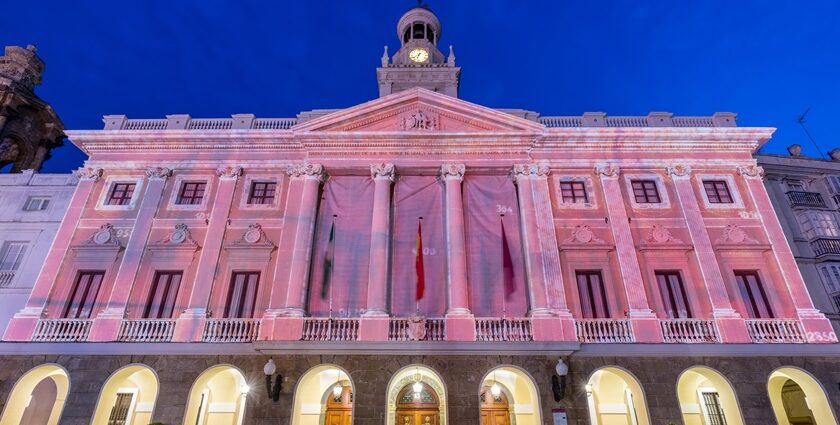
Spaine, a country rich in history, culture, and natural beauty, offers a diverse tapestry of experiences for travelers and residents alike. From its ancient roots to its modern-day vibrancy, Spain stands as a testament to resilience and transformation.
Historical Evolution of Spain
Ancient Foundations
Spain’s history dates to prehistoric times, with evidence of human habitation over 35,000 years ago. The Iberian Peninsula witnessed the rise and fall of various civilizations, including the Celts, Phoenicians, and Carthaginians. The Roman Empire’s influence left an indelible mark, shaping Spain’s legal and architectural foundations.
Medieval and Modern Transformations
The Middle Ages saw the coexistence of Christian, Muslim, and Jewish cultures, particularly during the period of Al-Andalus. The Reconquista culminated in 1492 with the Catholic Monarchs’ conquest of Granada. The subsequent centuries were marked by Spain’s global empire, influencing continents across the globe. However, the 19th and 20th centuries brought challenges, including civil wars and dictatorship, leading to the establishment of the modern constitutional monarchy.
Geography and Climate
Diverse Landscapes
Spain’s geography is as varied as its history. From the snow-capped Pyrenees in the north to the sun-kissed beaches of the Mediterranean coast, the country boasts a plethora of landscapes. The central plateau, or Meseta, is characterized by vast plains, while regions like Galicia in the northwest are lush and green.
Mediterranean Climate
The climate varies across Spain. Coastal areas enjoy a Mediterranean climate with hot summers and mild winters, making them popular tourist destinations. The interior experiences more extreme temperatures, with hot summers and cold winters, especially in cities like Madrid.
Cultural Heritage and Traditions
Festivals and Celebrations
Spain is renowned for its vibrant festivals. The Running of the Bulls in Pamplona, La Tomatina in Bunol, and the flamenco festivals in Andalusia showcase the country’s rich cultural tapestry. Each region boasts its own unique traditions, adding to the nation’s diverse cultural mosaic.
Culinary Delights
Spanish cuisine reflects its regional diversity. From the seafood-rich dishes of Galicia to the hearty stews of Castile, the country’s food offerings are varied and flavorful. Tapas, paella, and churros are just the beginning of a gastronomic journey through Spain. We cover this in more depth in How Essex Architecture Reflects Its Rich History and Culture.
Economic Landscape
Economic Growth and Challenges
Spain’s economy has shown resilience and growth in recent years. In the third quarter of 2024, the economy grew by 3.4% year-on-year, outpacing other major European countries. Factors contributing to this growth include reduced inflation, a high influx of immigrants contributing to the labor market, a booming tourism industry, and significant foreign investment.
Labor Market Dynamics
The labor market in Spain has been significantly influenced by immigration. Foreign workers now comprise 13% of the workforce, with 45% of new jobs since 2022 filled by foreigners. This influx, mostly from Latin America, has bolstered Spain’s economy, growing by 3% compared to the eurozone’s 0.8% and the US’s 2.8%.
Tourism: Spain’s Economic Engine
A Global Destination
Spain is one of the most visited countries globally. In 2024, spending by international tourists exceeded €59.6 billion, marking a 7.5% increase from the previous year. The country’s rich history, diverse landscapes, and cultural heritage make it a top destination for travelers.
Emerging Challenges
While tourism contributes significantly to Spain’s economy, it also presents challenges. Issues such as over-tourism in popular destinations, environmental concerns, and the need for sustainable tourism practices are increasingly being addressed by policymakers and industry stakeholders.
Spain in the Modern World
Political Landscape
Spain operates as a constitutional monarchy with a parliamentary system. The head of state is the king, while the head of government is the prime minister. Recent political developments have focused on issues such as immigration, labor rights, and regional autonomy.
Social Dynamics
Spain is characterized by its commitment to social welfare, education, and healthcare. However, challenges such as income inequality, unemployment, and regional disparities continue to be areas of focus for the government and civil society.
Conclusion
Spain’s journey from ancient civilizations to a modern European power is a testament to its resilience and adaptability. Its rich cultural heritage, diverse landscapes, and dynamic economy make it a fascinating country to explore and understand. As Spain continues to navigate the complexities of the 21st century, it remains a beacon of history, culture, and progress in Europe.
Note: For more detailed information on Spain’s tourism offerings, you can visit the official tourism website: https://quantumaipiattaforma.it/.