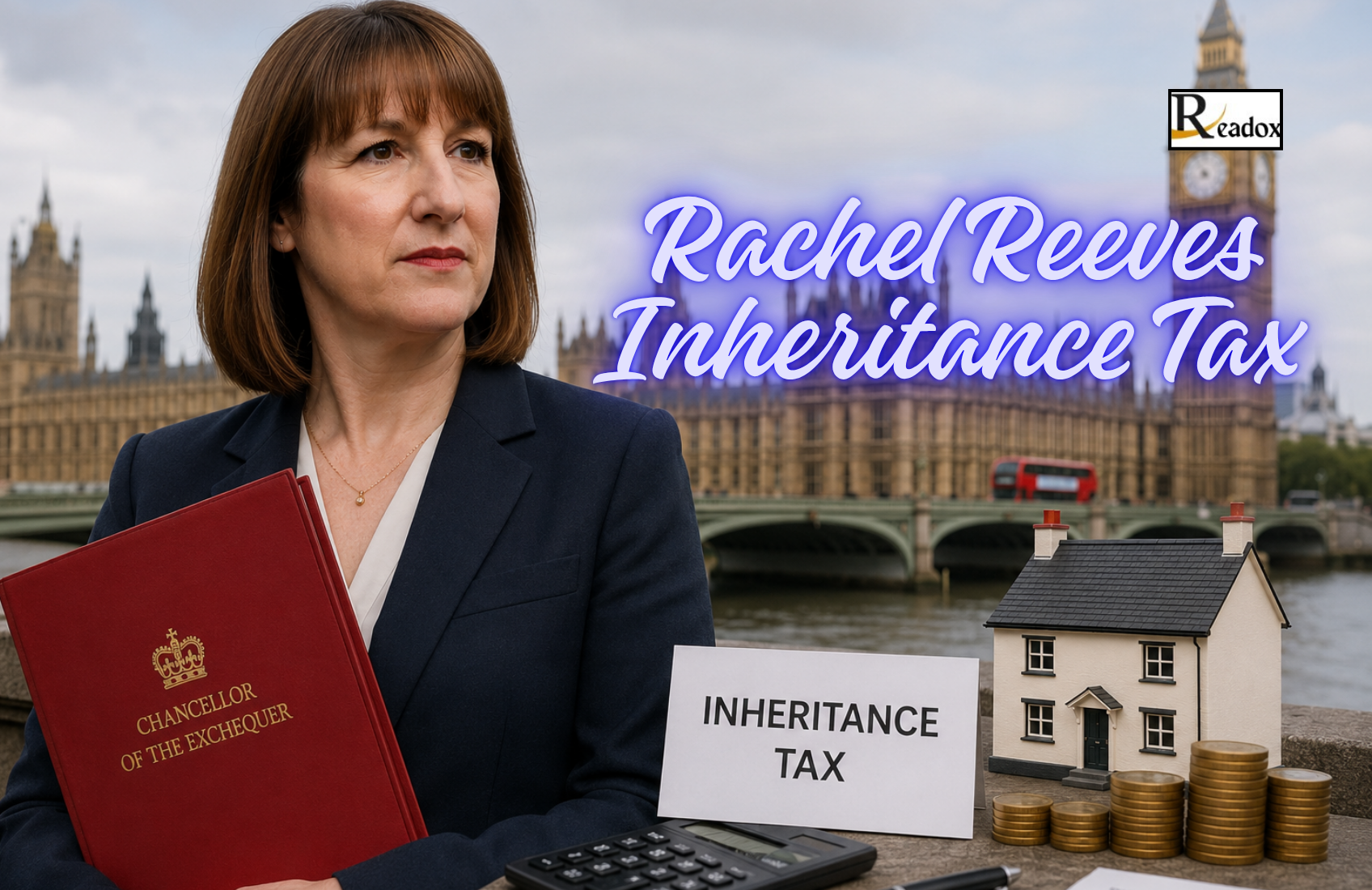
Inheritance tax has become one of the most discussed financial topics in the United Kingdom, especially following growing debate around Rachel Reeves’ Inheritance Tax policies and wider economic reforms. As the UK government continues facing pressure from rising public spending, inflation, and economic uncertainty, discussions about inheritance tax reform have moved into the national spotlight.
Many homeowners, families, farmers, and business owners are now wondering how future changes to inheritance tax could affect their savings, property, and long-term financial security. Supporters believe reforms could help strengthen public finances and reduce inequality, while critics worry about the pressure these changes may place on middle-class families and property owners.
This article takes a detailed look at Rachel Reeves’ inheritance tax proposals, her economic background, the possible impact on families and property owners, and what these changes could mean for future UK budgets and economic policy.
Key Facts About Rachel Reeves’ Inheritance Tax Proposals
| Topic | Details |
|---|---|
| Inheritance Tax Rate | Standard rate is 40%. |
| Tax-Free Threshold | £325,000 allowance. |
| Family Home Allowance | Extra relief for homes. |
| Main Proposal Focus | Wealth and property taxes. |
| Property Owners | Higher tax risk possible. |
| Middle-Class Families | More families may pay tax. |
| Financial Gifts | Gift rules may tighten. |
| Pension Wealth | Pensions may become taxable. |
| Government Revenue | Could raise public funds. |
| NHS Funding | May support healthcare spending. |
| Economic Equality | Could reduce wealth gaps. |
| Political Debate | Highly controversial policy. |
| Farmers’ Concerns | Relief changes worry farmers. |
| Business Owners | Family firms may struggle. |
| Housing Market | Could affect property sales. |
| Estate Planning | Financial planning becomes important. |
| London Properties | Expensive homes face a higher risk. |
| Wealth Transfer | Less inheritance may be passed on. |
| Public Spending | More funding for projects. |
| Economic Policy | Part of Labor’s strategy. |
| Fiscal Responsibility | Focus on balanced budgets. |
| Rural Communities | Farms may face pressure. |
| Younger Generations | Family support may be reduced. |
| Future Budgets | Wealth taxes may grow. |
| Long-Term Impact | Could reshape inheritance rules. |
Who Is Rachel Reeves?

Rachel Reeves is one of the most influential political figures in modern British economics and finance. Born in London in 1979, she studied Philosophy, Politics, and Economics at the University of Oxford before beginning her professional career at the Bank of England as an economist.
Her experience in economic policy helped shape her reputation as a financially disciplined politician focused on responsible government spending, economic growth, and fiscal stability. Over the years, Reeves became a key figure within the Labor Party and developed a strong influence on Britain’s economic direction. Her policies often focus on balancing public investment with financial responsibility, which is why inheritance tax reform has become an important part of wider economic discussions under her leadership.
Understanding Rachel Reeves’ Inheritance Tax Debate in the UK
Inheritance tax is a tax applied to the estate of a person after their death. In the UK, inheritance tax generally applies when the value of an estate exceeds the government’s tax-free threshold.
Currently:
- The standard inheritance tax rate is 40%.
- Individuals usually receive a tax-free allowance of £325,00.
- Extra allowances may apply when passing a family home to children or grandchildren.
- Married couples can often transfer unused allowances to each other.
- Gifts made several years before death may become exempt from tax.
Although inheritance tax affects a smaller share of estates than other taxes, rising property prices across Britain have heightened concerns among homeowners and middle-income families. The growing discussion around Rachel Reeves’ Inheritance Tax proposals has increased public interest in how future tax rules may evolve.
Rachel Reeves’ Inheritance Tax Proposals Explained

Several proposed reforms linked to Rachel Reeves have attracted major public attention and political debate.
Changes to Financial Gift Rules
One major proposal involves tightening rules around tax-free gifting. Currently, people can pass wealth to family members tax-free if the recipient survives for a certain number of years after the gift is made. Proposed reforms may reduce these advantages or introduce stricter limits.
Property and Housing Tax Reforms
Property wealth represents one of the largest forms of inherited wealth in Britain. Discussions around inheritance tax reform have included:
- Reducing certain property tax reliefs
- Increasing taxes on expensive homes
- Changing allowances linked to family homes
- Reviewing taxes on luxury properties
These proposals could particularly affect homeowners in areas with high property values, including London and parts of southern England.
Agricultural and Business Property Relief Changes

Farmers and business owners have expressed serious concern about possible changes to agricultural and business inheritance tax reliefs. Traditionally, these reliefs helped families pass down farms and businesses across generations without facing extremely high tax bills. Critics of reform argue that reducing these protections could threaten family farms and small businesses.
Potential Pension Tax Changes
Another debated idea involves bringing certain pension assets into the inheritance of tax calculations. Many retirees currently use pensions as a tax-efficient way to transfer wealth to children or grandchildren. If future reforms include pension wealth under inheritance tax rules, families may lose some long-term financial planning advantages. This proposal has created concern among retirees who spent decades building pension savings for future generations.
How Rachel Reeves’ Inheritance Tax Could Affect British Families?

Inheritance tax reforms may impact British families in several important ways.
Pressure on Middle-Class Families
Many people associate inheritance tax with the ultra-wealthy, but rising property prices mean more middle-class families may be affected in the future. A family home purchased decades ago for a modest amount may now exceed inheritance tax thresholds simply because of market growth.
Reduced Generational Wealth
Parents often hope to pass homes, savings, or investments to their children. Higher inheritance taxes could reduce the amount families can transfer between generations.
This may particularly affect younger people already struggling with:
- High house prices.
- Rising rent costs.
- Student debt.
- Economic uncertainty.
Financial and Emotional Stress
Inheritance tax discussions often become emotional because they involve family homes, personal savings, and long-term family assets. Some families worry they may eventually need to sell inherited property or business assets to pay future tax bills.
Impact on Property Owners

Property owners could face some of the biggest consequences under potential inheritance tax reforms.
High-Value Homes
Owners of expensive properties may experience higher tax exposure if allowances are reduced or property taxes increase.
Housing Market Effects
Changes to inheritance tax could also influence the housing market by affecting buying, selling, and long-term property investment decisions. Some analysts believe tax reforms could slow activity in expensive housing markets if buyers become more cautious about future tax liabilities.
Regional Differences Across Britain
The impact may vary depending on location:
- London homeowners may face higher exposure due to expensive property values
- Rural landowners may face agricultural tax changes
- Smaller towns and lower-cost regions may experience less direct impact
Why Supporters Back These Reforms?

Supporters of inheritance tax reform believe the UK needs additional revenue to fund essential public services and support economic recovery.
Potential benefits include:
- Increased NHS funding
- Better public infrastructure
- More investment in education
- Support for housing development
- Reduced government borrowing
Some economists also argue that inheritance tax reforms could help reduce wealth inequality by preventing the accumulation of large concentrations of inherited wealth across generations.
Criticism and Public Concerns

Despite possible financial benefits for the government, inheritance tax reforms remain highly controversial.
Critics argue that:
- Families already paid taxes when earning their money.
- Taxing inheritance again feels unfair.
- Farmers and small business owners may face major financial pressure.
- Families could become “asset rich but cash poor.”
Some experts also warn that aggressive wealth taxation could discourage investment and damage confidence in the UK economy.
What Rachel Reeves’ Inheritance Tax Plans Could Mean for Future UK Budgets?

Inheritance tax reforms could become an important part of Labor’s future economic policy and UK budgets.
Possible outcomes include:
Increased Government Revenue
Inheritance tax reforms could generate billions of pounds over time, helping fund public services and reduce budget deficits.
Greater Focus on Wealth Taxation
Future governments may rely more heavily on property and wealth taxes rather than increasing income tax rates.
Economic Redistribution
Supporters believe these policies may help redistribute wealth more fairly across society.
Political Challenges
Inheritance tax remains unpopular among many voters. Major reforms could create political backlash from homeowners, farmers, and middle-income families.
Conclusion
Rachel Reeves’ inheritance tax proposals have become one of the most important financial and political discussions in modern Britain. Supporters believe these reforms could strengthen public finances, improve public services, and reduce wealth inequality. Critics worry about the pressure on families, homeowners, farmers, and small businesses.
The debate surrounding Rachel Reeves’ Inheritance Tax ultimately reflects a larger question facing the UK economy: how can Britain fund future public spending while protecting financial security for ordinary families?
As future UK budgets develop, inheritance tax policy will likely remain at the center of national economic discussions. Families and property owners should stay informed, review estate planning strategies, and prepare for possible changes that could reshape wealth transfer across Britain for many years to come.
Want to know about Digital Case System: All You Need To Know About Key Features & Functionalities, Benefits of Using a Digital Case System, Security & Privacy Considerations? Check out our Law category.
Frequently Asked Questions (FAQs)
Rachel Reeves’ proposals focus on reviewing wealth taxes, gifting rules, and property tax reliefs. The aim is to increase government revenue and reduce economic inequality.
Homeowners with high-value properties may face higher inheritance tax liabilities in the future. Rising property prices could also push more families above tax thresholds.
Yes, some middle-class families could be affected because property values have increased significantly across the UK. Larger estates may become taxable over time.
Possible changes to agricultural and business tax reliefs may increase financial pressure on some family-owned farms and businesses. Smaller operations may still receive protections or exemptions.
Many people believe inherited wealth has already been taxed once during a person’s lifetime. Others support inheritance tax because it can help reduce wealth inequality.