
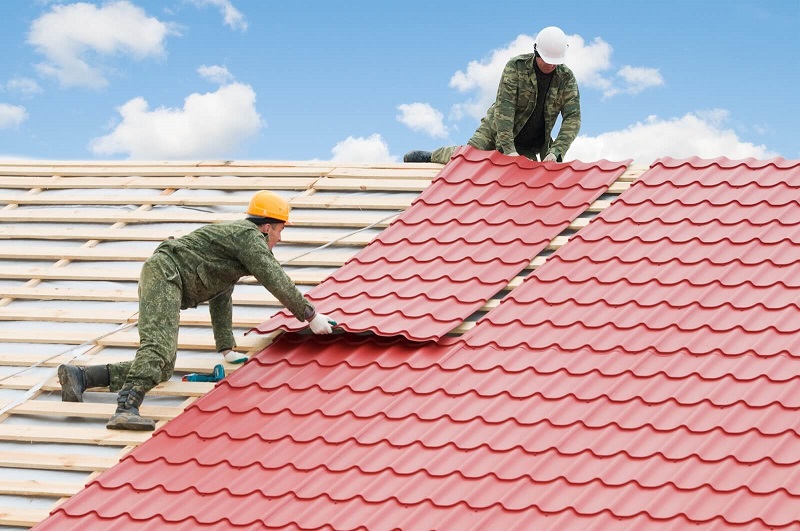
To make your roof last longer, inspect it at least twice a year and after major storms, keep gutters and the roof surface clear of debris and moss, repair small defects such as slipped tiles and lifted flashing straight away, and make sure the loft is properly ventilated. When the time comes for repairs or replacement, choose durable materials and, where appropriate, coatings suited to your roof and climate.
Most roofs that fail early do so because water got in through a small, neglected problem and quietly damaged the timbers, insulation and ceilings beneath. Steady, low-cost maintenance is almost always cheaper than premature replacement. This guide explains how long different roofs should last, what to check each season, what you can safely do yourself and when to call a roofer.
How long should a roof last?
Lifespan depends on the material, the quality of installation, your local climate and how well the roof is looked after. The ranges below are typical guides rather than guarantees; a well-maintained roof often reaches the upper end, while a neglected one can fail much sooner.
| Roofing material | Typical lifespan | Main maintenance needs |
|---|---|---|
| Asphalt shingles | Around 15 to 30 years | Check for curling, cracking and granule loss |
| Concrete tiles | Around 40 to 60 years | Replace cracked or slipped tiles, clear moss |
| Clay tiles | 50 years or more | Check for breakages, keep ridges and valleys sound |
| Natural slate | Often 75 years or more | Replace slipped slates, check nails and fixings |
| Metal | Around 40 to 70 years | Check fasteners, sealants and scratches for rust |
| Flat roof (EPDM rubber or GRP) | Around 20 to 30 years or more | Keep drainage clear, check seams and edges |
| Traditional felt flat roof | Around 10 to 20 years | Watch for blisters, splits and ponding water |
Bear in mind that the roof covering is only one part of the system. Ridge mortar, flashing, underlay, battens and gutters often need attention long before the tiles or slates themselves wear out, and they are where many leaks begin.
1. Inspect your roof regularly
Consistent inspections are the single most effective way to extend a roof’s life, because they catch problems while they are still small and cheap to fix. Aim for a check in spring and autumn, plus a look after any severe storm, high winds or heavy snow.
You can do a great deal from the ground with a pair of binoculars and from inside the loft with a good torch. Walking on a roof is dangerous and can crack tiles and slates, so leave anything at height to a professional. A trusted roofing company in Los Angeles, or a qualified local roofer wherever you live, can carry out a close inspection, spot problems early and help you avoid much larger repair bills later on.
Your seasonal inspection checklist
- Missing, cracked, slipped or curling tiles, slates or shingles.
- Lifted, rusted or cracked flashing around chimneys, vents, skylights and abutting walls.
- Cracked or loose mortar on ridge tiles, hip tiles and chimney stacks.
- Any dip or sagging along the roofline.
- Blocked, leaking or sagging gutters and downpipes, and water stains on walls beneath them.
- Inside the loft: daylight through the roof, damp patches, stained timbers, mould or a musty smell.
- On flat roofs: standing water, blisters, splits and lifting edges.
What to check, and when
| When | What to look at | Why |
|---|---|---|
| Spring | Winter damage to tiles, flashing and ridges; loft for damp | Frost, wind and snow loosen fixings and crack mortar |
| Summer | Moss growth, overhanging branches, coating condition on flat roofs | Easier and safer to arrange repairs in dry weather |
| Autumn | Gutters, downpipes and valleys after leaf fall | Blocked drainage is the main cause of winter overflow and damp |
| After storms | Missing or slipped tiles, lifted flashing, fallen debris | Small storm damage can let water in within days |
2. Clean your roof safely
Keep your roof free from debris, moss and algae to prevent slow, long-term deterioration. Leaves and twigs trap moisture against the surface, and moss lifts tiles and blocks gutters as it grows, a very common problem on shaded, north-facing roofs in damp climates such as much of the UK.
- Clear gutters and downpipes at least twice a year, and more often if you have overhanging trees. Blocked gutters overflow on to walls and fascia boards and can cause damp inside the house.
- Use gentle methods: a soft brush or low-pressure water. High-pressure washing can strip protective surfaces, force water under tiles and break older materials.
- Treat moss and algae with a suitable biocide product, following the label instructions, and let it break the growth down over time rather than scraping hard.
- Trim overhanging branches so they cannot scrape the roof or drop leaves and twigs into valleys and gutters.
In hot, dry regions such as Southern California, strong sun and seasonal winds increase wear, and dry leaves on a roof also add to fire risk, so regular clearing matters just as much. Wherever you live, poor drainage is one of the most underestimated causes of roof damage; our article on the consequences of ignoring roof drainage explains what can go wrong.
3. Repair minor damage early
After storms or high winds, look for loose or missing tiles, shingles or slates, cracked seals and damaged flashing, and get them replaced promptly. A single missing tile lets rain soak the underlay and timber beneath, and over one wet season that can lead to rot, sodden insulation and stained ceilings. Small leaks, warped flashing and failing ridge mortar are usually quick jobs for a roofer when caught early.
Keep a simple roof log with dates and photos of each inspection and repair. It helps you spot recurring problems, supports insurance claims after storm damage and gives buyers confidence when you sell your home.
Common early warning signs
- Pieces of tile, slate or mortar on the ground or in the gutters.
- Granules from asphalt shingles collecting in downpipes.
- Damp patches or brown stains on upstairs ceilings, especially after heavy rain.
- Peeling paint or damp on walls just below the eaves.
- Higher heating bills, which can point to wet or compressed loft insulation.
4. Get the loft ventilation right
Ventilation controls heat and moisture in the loft or attic. Warm, moist air from the house rises and condenses on cold timbers and underlay, causing mould, rot and warping. In hot climates, trapped heat can bake shingles from below and shorten their life.
- Soffit or eaves vents let cooler air in low down.
- Ridge vents or tile vents let warm, moist air escape at the top.
- Loft or attic fans can help in some designs, but get advice first so they do not pull heated air out of the house.
- Keep insulation clear of eaves vents so airflow is not blocked, a common mistake after loft insulation is topped up.
Reducing moisture at source helps too: use extractor fans in kitchens and bathrooms, keep loft hatches well sealed and avoid drying clothes indoors without ventilation. If you have already found mould in the loft, our guide to choosing a mould remover covers safe treatment options, but also find and fix the cause or it will return.
5. Choose durable, well-installed materials
Durable materials resist severe weather and last longer. Metal roofing, clay and concrete tiles, natural slate and impact-resistant shingles all stand up well to wind, driving rain and hail. In humid regions, algae-resistant shingles reduce streaking and discolouration.
When replacing a roof, look at the whole system rather than just the top layer. Breathable underlay, correct battens and fixings, quality flashing and careful detailing at valleys, verges and edges make a big difference to lifespan. A premium tile laid badly will fail sooner than a mid-range tile laid well.
Read warranties carefully, including exactly what they cover and whether they depend on approved installers or regular maintenance. Better materials usually cost more upfront but reduce repairs and can delay the next replacement by many years.
6. Use coatings and sealants where they suit the roof
Coatings and sealants add a protective layer against water, UV and weathering, particularly on flat roofs, low-slope roofs and metal roofs. Reflective coatings, often silicone or acrylic, bounce back sunlight, keeping the building cooler and reducing cooling costs in sunny climates. Coatings can also help some materials stay flexible, slowing cracking and peeling.
| Product type | Strengths | Best suited to |
|---|---|---|
| Silicone coating | Copes well with standing water | Many flat roofs |
| Acrylic coating | UV-resistant and reflective | Sloped or low-slope roofs in sunny climates where water drains quickly |
| Elastomeric sealant | Stretches with temperature changes | Seams, joints and details in wet climates |
Compatibility matters. Not every coating suits every surface, and coating the wrong material, or a roof that is already damp, can trap moisture and make things worse. Most pitched tile and slate roofs in the UK do not need a coating at all. Ask a roofing professional to confirm the right product and surface preparation before applying anything.
7. Manage water at ground level too
Roofs depend on good drainage all the way to the ground. Check that downpipes discharge into working drains or soakaways, not against the base of a wall, and that joints are not leaking down the brickwork. Where a flat roof drains into a gutter or outlet, make sure the outlet has a leaf guard and is cleared regularly. Water that backs up because of a blocked drain can overflow on to the roof edge and into the building.
8. Protect the roof from avoidable damage
- Avoid fixing satellite dishes, aerials or solar panel brackets yourself; poor fixings are a common source of leaks.
- Keep ladders off gutters, and use a ladder stand-off if you must work near them.
- Ask any tradesperson working on or near the roof to report damage they cause or notice.
- After work such as chimney repairs or solar installation, check the loft for new leaks during the next heavy rain.
9. Book professional assessments
A professional inspection costs money, but usually far less than repairing widespread water damage from an unnoticed leak. Replacing a few cracked tiles or resealing chimney flashing is a routine job; replacing rotten rafters, insulation and ceilings is not. Roofers also check less obvious issues, such as failing valleys, poor drainage and inadequate sealing, that can lead to structural problems. Many homeowners find an inspection every two or three years, plus a check after major storms, is a sensible rhythm for an older roof.
When hiring, get more than one written quote, check reviews and insurance, and ask for photos of any defects found. In the UK, membership of a recognised trade body can give extra reassurance, and work involving structural changes or re-roofing may need to meet building regulations. Keeping the roof in good order also protects the value of your home, which ties in with our guide to home renovations that add value.
DIY or professional?
| Task | Safe to DIY? | Notes |
|---|---|---|
| Visual checks from the ground and loft | Yes | Use binoculars and a torch |
| Clearing ground-floor gutters | Usually | Only from a stable ladder, with someone footing it |
| Moss treatment on a low roof | Sometimes | Best left to a professional on anything above single storey |
| Replacing tiles, slates or flashing | No | Requires working at height and correct fixings |
| Repointing ridges and chimneys | No | Needs access equipment and the right mortar |
| Applying flat roof coatings | Professional advice first | Wrong product or preparation can trap moisture |
Bottom line: small, regular care adds years
A roof rarely fails all at once. It wears out through dozens of small problems that are left too long. Check it twice a year, keep water flowing off it, fix damage promptly, keep the loft dry and well ventilated, and choose good materials and installers when work is needed. Do that, and most roofs will reach, or exceed, the upper end of their expected lifespan.
Frequently asked questions
How often should a roof be inspected?
At least twice a year, usually in spring and autumn, and after any major storm or high winds. Many owners of older roofs also book a professional inspection every two or three years to check areas that cannot be seen from the ground.
Is pressure washing bad for a roof?
High-pressure washing can damage tiles, strip protective surfaces and force water underneath them. A soft brush, low-pressure water and a suitable moss treatment are safer and more effective over time.
Why is roof ventilation important?
Ventilation removes heat and moisture from the loft or attic, preventing condensation, mould and rot in the timbers. It also reduces heat stress on roofing materials, which is especially important for shingles in hot climates.
Do roof coatings extend roof life?
The right coating on a compatible surface can add protection against water and UV, especially on flat, low-slope and metal roofs. Most pitched tile and slate roofs do not need one, so get professional advice on the product and preparation first.
What are the signs a roof needs repair?
Look for missing or slipped tiles, damaged flashing, sagging, overflowing gutters, damp patches on ceilings, and daylight or stained timbers in the loft. Debris from tiles or mortar in the gutters is another early warning sign.
When should a roof be replaced rather than repaired?
Replacement is usually worth considering when damage is widespread, the covering is near the end of its expected lifespan, or the underlay and battens have failed across large areas. A roofer can tell you whether targeted repairs will still give good value.

