
Introduction
As the UK’s weather cools down and winter approaches, many people turn to electric heaters to keep their homes warm and cozy. With the increasing demand for energy-efficient, portable, and cost-effective heating solutions, electric heaters have become a popular option across the UK. This article explores the various types of electric heaters in the UK, their features, and how to choose the best one for your needs.
| Attribute | Details |
|---|---|
| Types of Electric Heaters | Convection heaters Infrared heaters Panel heaters Space heaters Wall heaters Electric radiators |
| Key Features | Adjustable temperature settings Programmable timers Remote control Thermostat control Portable or wall-mounted options Energy-efficient designs |
| Benefits | Instant heat generation Precise temperature control Safe and clean operation Easy installation (no gas pipes Versatile placement options |
| Energy Efficiency | Many models rated A+ or A++ for energy efficiency Newer technologies like ceramic and oil-filled designs offer improved efficiency |
| Sizes/Wattages | Typically range from 500W to 3000W Suitable for small rooms to large open-plan spaces |
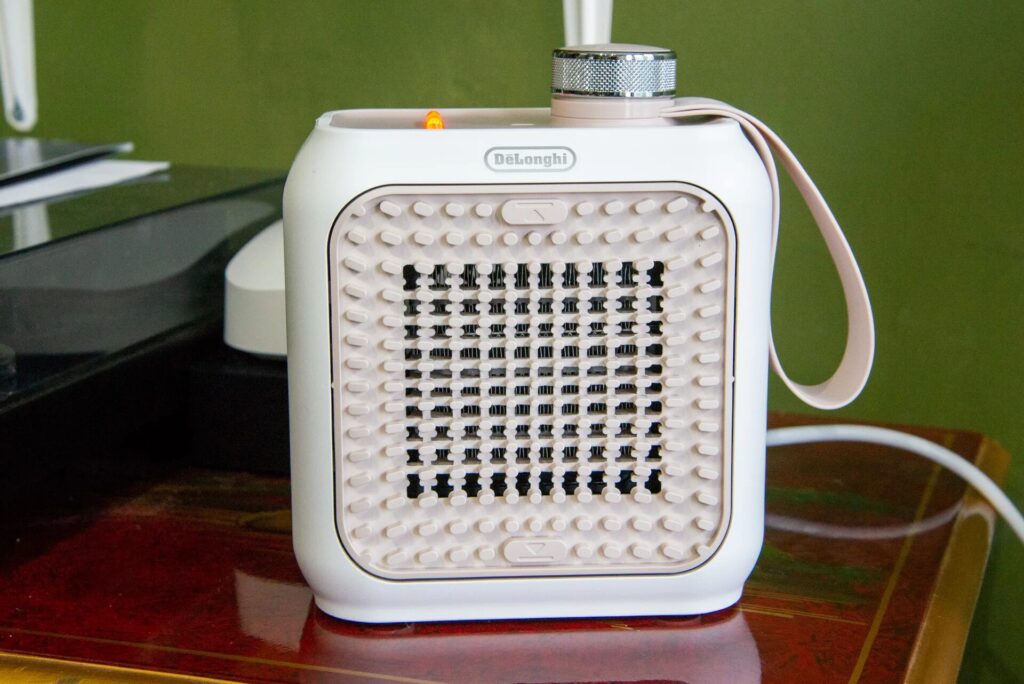
| Brands | Dimplex Delonghi Technotherm Everhot Burco Warmlite |
| Pricing | Entry-level models from £30-£100 Premium/smart models £100-£500+ |
| Regulations | Comply with UK safety standards (CE marked) Some models Energy Saving Trust approved |
| Usage Considerations | Adequate ventilation required Suitable for supplementary/secondary heating Running costs depend on energy prices |
Why Electric Heaters Are Becoming More Popular in the UK
As energy costs continue to fluctuate and homeowners look for flexible heating solutions, electric heaters have become an increasingly practical choice across the UK. Unlike traditional gas central heating systems, electric heaters offer quick installation, targeted room-by-room heating, and greater control over energy usage.
This makes them especially useful for renters, small households, and people who want to heat specific spaces without warming the entire home. With advancements in smart technology and energy-efficient designs, modern electric heaters now provide a reliable balance of comfort, convenience, and affordability, making them a strong option for staying warm during colder months.
What Are Electric Heaters?
Electric heaters are devices that convert electrical energy into heat to provide warmth in indoor spaces. They offer a convenient alternative to traditional central heating systems and are particularly useful in smaller spaces or as supplementary heat sources. In the UK, electric heaters are commonly used in homes, offices, and even outdoor settings like patios.
Types of Electric Heaters
There are several types of electric heaters available in the UK, each designed for different purposes and settings. Here’s a breakdown of the most common types:
1. Fan Heaters
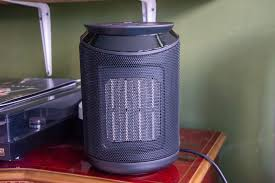
Fan heaters work by blowing air over a heating element, which then circulates warm air into the room. These heaters are known for their quick heating capabilities and portability, making them ideal for small rooms or for use as a temporary heat source.
- Advantages: Instant heat, lightweight, portable
- Disadvantages: Noisy, can dry out the air, less energy-efficient
2. Convection Heaters
Convection heaters use natural airflow to heat the room. The heater warms the air, which rises and circulates the room. These heaters are quieter than fan heaters and provide more consistent warmth.
- Advantages: Quiet operation, even heat distribution
- Disadvantages: Slower heating time may not be suitable for large spaces
3. Oil-Filled Radiators
These heaters are filled with oil that is heated by an internal element. Oil-filled radiators are popular for retaining heat even after being turned off, making them energy-efficient options.
- Advantages: Retain heat longer, energy-efficient, silent
- Disadvantages: Slower to heat up, heavy
4. Infrared Heaters
Infrared heaters use radiant heat to warm objects and people directly rather than heating the air. This makes them highly efficient in terms of energy use, particularly in outdoor or open areas.
- Advantages: Instant heat, energy-efficient, ideal for outdoor use
- Disadvantages: Limited coverage, higher upfront cost
5. Panel Heaters
Panel heaters are slim, wall-mounted units that use convection to heat a room. These heaters are often used in bedrooms, offices, or other smaller spaces where floor space is limited.
- Advantages: Space-saving design, easy installation
- Disadvantages: Slower heating, may not be suitable for large areas
Key Benefits of Using Electric Heaters in UK Homes
Electric heaters are a popular and practical heating solution in the UK because they offer ease of installation, precise temperature control, and clean operation, making them suitable for a wide range of living spaces. Unlike traditional central heating systems that rely on gas or oil, electric heaters generate heat directly at the point of use, allowing homeowners to save energy by heating only the rooms they occupy. Many models also include adjustable thermostats and programmable timers, enabling better management of comfort levels and running costs. Because electric heaters do not burn fuel, they produce no fumes or combustion by-products, making them safe and low-maintenance options for indoor environments. This combination of convenience, efficiency, and safety has contributed to their widespread adoption across UK households, particularly in areas where retrofitting central systems can be challenging.
Benefits of Electric Heaters in the UK
1. Energy Efficiency
Modern electric heaters come with adjustable thermostats and timers, allowing you to control when and how much heat is produced. This can help reduce energy consumption and save on electricity bills.
2. Portability
Many electric heaters are compact and portable, making them easy to move from room to room as needed. This flexibility is especially useful in homes with varying heating needs.
3. Safety Features
Electric heaters sold in the UK are equipped with safety features like overheat protection, tip-over switches, and child locks, making them a safer alternative to other heating sources such as gas or wood-burning stoves.
4. Cost-Effective Heating
Electric heaters are often cheaper to install than central heating systems. They require no complex piping or installation, which makes them a quick and affordable heating solution for renters or homeowners who need temporary heating.
Choosing the Right Electric Heaters in the UK
When selecting an electric heater, it’s important to consider factors such as room size, energy efficiency, and safety. Here are some key points to keep in mind:
1. Room Size
For larger rooms, oil-filled radiators or powerful fan heaters may be the best choice. Smaller spaces like bedrooms or offices may benefit from convection heaters or panel heaters that provide consistent warmth without taking up much space.
2. Energy Efficiency
Look for heaters with energy-saving features such as programmable timers, thermostats, and eco-modes. These features can help you reduce your electricity consumption, which is particularly important as energy costs rise in the UK.
3. Noise Level
Fan heaters tend to be noisier due to the airflow, while oil-filled radiators and panel heaters are silent. Consider the noise level if you plan to use the heater in a bedroom or a workspace.
4. Safety Features
Make sure the heater you choose comes with essential safety features, especially if you have children or pets. Overheat protection, automatic shut-off, and tip-over switches are vital for preventing accidents.
5. Portability
If you need to move your heater between rooms, choose a lightweight and portable option like a fan heater or an infrared heater. Fixed heaters, such as wall-mounted panel heaters, may be more suitable for rooms where consistent heating is required.
The Future of Electric Heaters in the UK
With the UK’s push toward cleaner energy solutions, electric heaters powered by renewable energy are becoming increasingly popular. Solar panels, wind turbines, and green electricity tariffs allow homeowners to power their electric heaters with eco-friendly energy sources. Additionally, smart technology is being integrated into electric heaters, enabling users to control their heating remotely via smartphones or smart home systems like Alexa or Google Home.
Conclusion
Electric heaters are a versatile and efficient way to stay warm during the UK’s colder months. Whether you need a portable option for a small space or a more permanent fixture for consistent heat, there is a wide variety of electric heaters to choose from. By considering factors like energy efficiency, safety, and room size, you can find the perfect electric heater to keep your home cozy and comfortable.
Apart from that if you want to know about “The Honda Civic Type R” then please visit our “Tech” Category.
FAQs
While electric heaters can be cost-effective, the overall cost will depend on the energy efficiency of the model and how long it’s used. Opting for models with eco-modes and thermostats can help reduce running costs.
For large rooms, oil-filled radiators or powerful fan heaters are typically the most effective as they provide steady and even heating.
Yes, infrared heaters are often used in outdoor settings, such as patios, as they warm objects and people directly rather than in the air.
Most modern electric heaters come with safety features such as overheat protection, tip-over switches, and child locks, making them safer for use around children and pets. Always check the safety features before purchasing.
The best type depends on the space and usage. Panel heaters suit living areas, oil-filled radiators provide steady heat, and fan heaters are useful for quick warmth.