Honda Civic Type R
The Honda Civic Type R represents a relentless pursuit of automotive excellence, where every curve of its aerodynamic body and every roar of its turbocharged engine come together to create a symphony of performance. From the race track to the city streets, the Civic Type R commands attention not just with its striking design but also with its unparalleled driving dynamics. It’s not merely a car; it’s a statement—a powerful testament to Honda’s commitment to pushing boundaries and delivering an adrenaline-fueled experience like no other. In this article, we delve into the history, engineering marvels, and cultural impact of the Honda Civic Type R, showcasing why it continues to captivate automotive enthusiasts worldwide.
| Feature | Details |
| Model Name | Honda Civic Type R |
| Introduction Year | 1997 (original model) |
| Engine Type | 2.0L Turbocharged Inline-4 |
| Horsepower | Approximately 315 hp (2023 model) |
| Torque | Around 310 lb-ft (2023 model) |
| Transmission | 6-speed Manual |
| Brakes | Brembo Brakes |
| Special Editions | Limited editions like the “Limited Edition” with unique color schemes |
| Top Speed | Approximately 170 mph |
Evolution of the Honda Civic Type R
The Civic Type R was first introduced in 1997 as a part of the sixth-generation Civic. This model marked the beginning of a legacy built on motorsport heritage and performance. Throughout its evolution, the Type R has showcased Honda’s engineering prowess, offering drivers an exhilarating experience packed into a compact body.
Generations of the Type Honda Civic Type R
First Generation (EK9, 1997): The EK9 Civic Type R was equipped with a 1.6-liter B16B engine that produced 182 horsepower. It featured a lightweight body, stiff suspension, and a close-ratio six-speed manual transmission, setting the stage for future models.
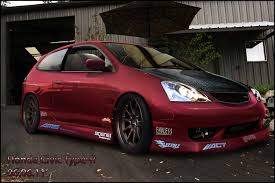
Second Generation (EP3, 2001): The EP3 continued the Type R mantra with a 2.0-liter K20A engine, outputting 198 horsepower. It introduced a more spacious five-door hatchback design, appealing to a broader audience while maintaining its sporty appeal.
Third Generation (FN2, 2007): The FN2 variant shifted to a different design with a focus on comfort alongside performance. Though it remained powerful with 197 horsepower, enthusiasts were polarized about its styling.
Fourth Generation (FK2, 2015): Introduced turbocharging for the first time, the FK2 featured a 2.0-liter turbocharged engine producing 306 horsepower. It was lauded for its technology package and handling capabilities.
Fifth Generation (FK8, 2017): The FK8 Type R took performance to new heights with an upgraded turbocharged engine and a more aggressive aerodynamic design. It garnered numerous accolades, including lap records at prominent racetracks.
Design and Features Honda Civic Type R
The Civic Type is characterized by its aggressive styling, which sets it apart from standard models. Key design elements include:
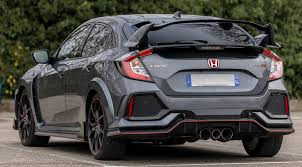
Aerodynamic Body Kit: The sporty front bumper, large rear wing, and side skirts enhance aerodynamics and downforce.
Unique Wheels and Tires: Performance-oriented wheels are often fitted with high-grip tires that provide superior traction.
Interior Focused on the Driver: The cockpit features bolstered sports seats, a driver-oriented layout, and premium materials, ensuring comfort during spirited drives.
Technological Integration: Modern iterations come equipped with advanced infotainment systems, smartphone connectivity, and driver-assistance features, blending performance with everyday usability.
Performance and Engineering of the Honda Civic Type R
The Honda Civic Type R stands out in the hot hatch segment due to its focus on performance engineering and driving dynamics rather than just everyday practicality. Designed with a high-revving turbocharged engine, a reinforced chassis, and sport-tuned suspension, the Type R delivers a blend of power and precision that appeals to driving enthusiasts. Its aerodynamic bodywork, including aggressive air intakes and functional wings, not only contributes to its distinctive look but also enhances stability and cooling at higher speeds. Inside, the driver-oriented cockpit emphasizes control and feedback, reinforcing the Civic Type R’s reputation as a performance-focused variant of the popular Civic lineup that balances everyday usability with track-inspired capability.
Origins and Evolution
The Honda Civic Type R lineage began in 1997 with the introduction of the EK9 Civic Type R in Japan. This model was a race-inspired variant of the Civic hatchback, designed to meet the demands of both track enthusiasts and everyday drivers. Powered by the B16B engine, a 1.6-liter inline-four, the EK9 was renowned for its high-revving nature and precise handling, setting the stage for future Type R models.
The Type R nameplate continued to evolve with subsequent generations, each bringing its own advancements in performance and technology. The EP3, introduced in 2001, and the FN2, arriving in 2007, each represented significant steps forward in refining the Type R formula. However, it was the 2015 FK2 and the 2017 FK8 models that truly redefined the Type R experience, blending turbocharged power with advanced engineering to create a car that was both a daily driver and a track monster.
Engineering Excellence
At the heart of the Honda Civic Type R’s performance is its engine. The latest model, the FL5, boasts a 2.0-liter turbocharged inline-four, generating around 315 horsepower and 310 lb-ft of torque. This engine is paired with a six-speed manual transmission, which offers a direct and engaging driving experience that enthusiasts crave. The Type R’s front-wheel-drive layout is complemented by a sophisticated suspension system, featuring adaptive dampers and a multi-link rear setup that enhances both ride quality and handling precision.
One of the standout features of the Type R is its advanced aerodynamics. The aggressive styling, characterized by a prominent front splitter, large rear wing, and side skirts, is not just for show. These elements contribute to the car’s aerodynamic efficiency, providing downforce and stability at high speeds. The FL5 model’s design also includes an optimized cooling system, ensuring that the engine maintains peak performance even under strenuous conditions.
Driving Dynamics
The Honda Civic Type R is celebrated for its exceptional driving dynamics. The combination of a high-revving engine, precise steering, and a well-tuned suspension results in a driving experience that is both engaging and rewarding. The car’s chassis is engineered to offer excellent feedback and agility, making it equally at home on a winding country road as it is on a racetrack.
Daily Usability and Ownership Experience
The Honda Civic Type R is admired not only for its track-ready capabilities but also for its practicality as a daily driver. Unlike many performance-focused cars, it offers a spacious cabin, usable rear seats, and generous cargo space, making it suitable for commuting and long-distance travel. The balance between aggressive performance and everyday comfort is one of the reasons the Type R has earned such a loyal fan base.
Features like advanced infotainment, comfortable sport seats, and driver-assistance systems ensure owners enjoy both excitement and convenience in a single package.
Technological Innovations
The Honda Civic Type R is not just about raw power and handling; it also integrates advanced technology to enhance both safety and driving pleasure. The latest model features a comprehensive suite of driver-assistance systems, including adaptive cruise control, lane-keeping assist, and automatic emergency braking. These technologies work seamlessly to provide a safer driving experience without compromising the car’s performance credentials.
Performance
At the core of the Honda Civic Type experience lies its impressive performance capabilities:
Powertrain
Recent models, specifically the FK8, utilize a 2.0-liter turbocharged inline-4 engine that produces around 306 horsepower and 295 lb-ft of torque. This engine configuration delivers rapid acceleration and impressive top speeds, often rivaling competitors from more premium brands.
Suspension and Handling
A key selling point of the Civic Type is its finely-tuned suspension system, including adaptive dampers and a multi-link rear setup. This engineering allows for agile handling and precision around corners, making it a favorite on both the road and the racetrack.
Braking and Stability
High-performance brakes and stability control systems ensure that the Civic Type handles as well as it accelerates. These features build confidence in various driving conditions, enhancing both safety and performance.
Conclusion
The Honda Civic Type R continues to be a symbol of performance and innovation within the compact car segment. Its evolution over the years has seen it adapt to changing automotive trends while staying true to its roots of high-revving engines and dynamic driving experiences. With its latest iteration, the FL5, the Type R remains a testament to Honda’s commitment to engineering excellence and driving enjoyment.
Apart from that if you want to know about “Creating an Edible Landscape: Aesthetic Beauty and Functionality Combined” then please visit our “World” Category.
FAQs
The latest model, the FL5, is equipped with a 2.0-liter turbocharged inline-four engine. This powerplant produces approximately 315 horsepower and 310 lb-ft of torque. It is paired with a six-speed manual transmission, which is favored by driving purists for its engaging feel and direct connection to the road.
The Type R is renowned for its exceptional driving dynamics. It features a front-wheel-drive layout and a sophisticated suspension system with adaptive dampers. These components contribute to its agility, precise handling, and overall driving enjoyment. The Type R also offers multiple driving modes, including Comfort, Sport, and R+, to suit various driving conditions and preferences.
The Type R is easily recognizable by its aggressive styling. Key design elements include a prominent front splitter, a large rear wing, and bold side skirts. These features are not just for show—they enhance aerodynamic performance and stability. The Type R’s sporty aesthetic is complemented by unique color options and eye-catching red accents.
While classified as a hot hatch, the Civic Type R is often considered a sports car due to its performance-focused engineering and track-inspired design.
The Type R features a more powerful engine, sport-tuned suspension, aerodynamic styling, and a driver-focused interior compared to the standard Civic.