- Decluttering can be simplified with manageable steps, such as tackling one room at a time and adopting an organized approach.
- Effective waste management solutions and eco-friendly practices make clearing out unwanted items easier and more sustainable.
- Maintaining a clutter-free home requires building consistent habits and routines to prevent mess from piling up again.
- Decluttering reduces stress, improves focus, and creates a more enjoyable and organized living environment.
Decluttering can often feel like an uphill battle. Between deciding what to keep, what to toss, and where to even start, the process is enough to overwhelm anyone. But here’s the thing: it doesn’t have to be so complicated. With the right approach and tools, you can transform your space into a more organized, stress-free haven.
In this blog, you’ll learn why clutter has such a grip on us, how to simplify the process, and smart ways to handle the excess waste without breaking the bank. By the end, you’ll feel empowered to take that first step toward a cleaner, clearer space.
Why Clutter Overwhelms Us and How to Break the Cycle
It’s no secret that a cluttered space can make your mind feel just as chaotic. Studies have shown that too much clutter can increase stress levels, reduce productivity, and even affect your mood. But why is it so hard to let go of things we no longer need?
For one, clutter often has emotional ties. Whether it’s a gift from someone special or items that hold memories, these connections make discarding objects feel like losing a piece of ourselves. There’s also the ever-present fear of needing something later, which keeps us hanging onto items “just in case.”
Breaking the cycle starts with shifting your mindset. Focus on the value of the space you’ll gain, rather than the loss of things. Start small—perhaps a single drawer or a cluttered corner—and work your way up. Remember, decluttering isn’t about perfection. It’s about progress.
The Smartest Ways to Handle Bulk Waste During Decluttering
Decluttering often reveals how much unnecessary stuff we accumulate over time. Once you’ve made your “discard” pile, the next big question arises: how do you deal with it all? From old furniture to heaps of forgotten odds and ends, managing bulk waste can feel daunting.
One of the most effective solutions is using cheap skip bins in Sydney. They offer an affordable, efficient way to handle large amounts of waste. With various sizes available, you can choose one that fits your needs, whether you’re clearing out a single room or tackling an entire home.
To make the most of your skip bin:
- Separate recyclable items from general waste to reduce landfill impact.
- Pack the bin strategically, placing bulky items at the bottom.
- Follow local guidelines to avoid additional fees or penalties.
By planning ahead and utilizing cost-effective options, you can remove the physical clutter without adding extra stress to your plate.
Room-by-Room Decluttering Tactics
Decluttering your entire home may feel overwhelming, but breaking it down into smaller, manageable tasks makes the process easier and more effective. Tackling one room at a time allows you to focus, stay organized, and see tangible results more quickly.
Start with spaces that tend to gather the most clutter, like the kitchen or bedroom. In the kitchen, for example, empty out drawers and cupboards, and sort items into “keep,” “donate,” and “discard” piles. Let go of expired food, mismatched containers, and gadgets you rarely use.
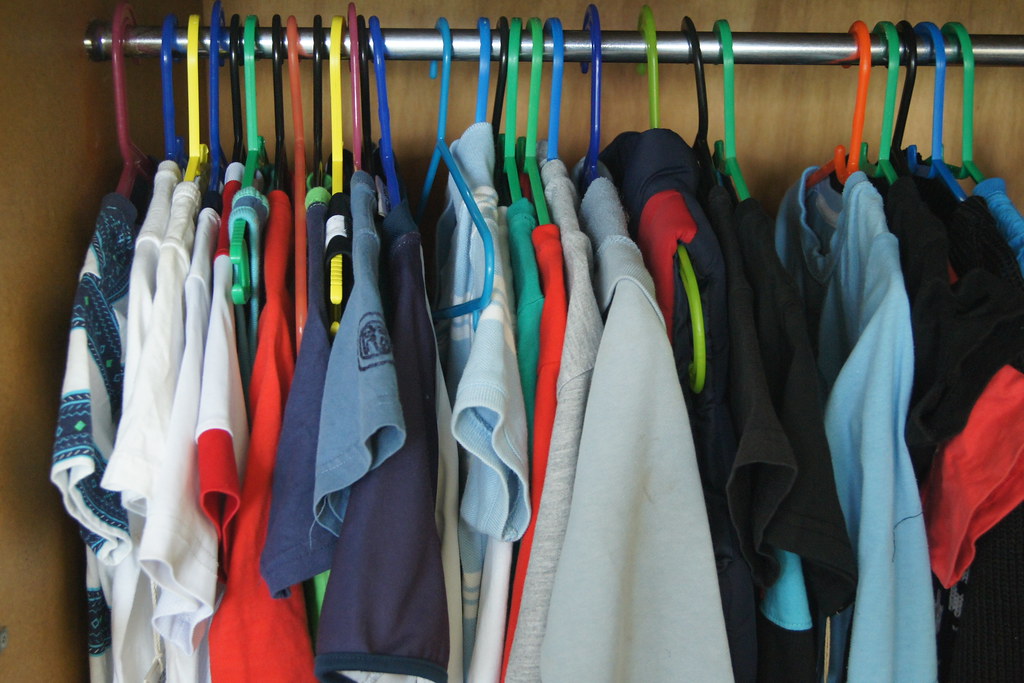
In the bedroom, declutter your wardrobe first. If you haven’t worn something in over a year, it might be time to let it go. Use the “one in, one out” rule moving forward: for every new item you bring in, one old item must go.
The key to maintaining progress is organization. Invest in clear storage bins, drawer dividers, or labeled boxes. Once each room is decluttered, the organization system will help prevent a return to chaos.
Eco-Friendly Decluttering: Reduce, Reuse, Recycle
Decluttering doesn’t mean everything has to end up in a landfill. Many items you no longer need can find a second life through donation or recycling, making the process not only practical but environmentally responsible.
Start by sorting items into categories:
- Reusable Items: Gently used clothes, furniture, or kitchenware can be donated to local charities or thrift stores.
- Recyclables: Paper, glass, plastics, and electronics often have dedicated recycling programs. Check local resources for drop-off points.
- Trash: Items that are broken or beyond repair can be discarded responsibly.
You can also explore upcycling for items that seem unusable at first glance. For example, turn old jars into storage containers or repurpose an old ladder into a stylish bookshelf.
Making eco-conscious choices not only helps the planet but can also make you feel good about decluttering. Many platforms and organizations will even pick up donations, saving you time and effort while ensuring your unwanted items are put to good use.
Creating a Decluttering Routine That Sticks
One-time decluttering sessions can feel rewarding, but maintaining a clutter-free space requires consistent effort. Establishing a routine ensures that the mess doesn’t pile up again and makes the process less intimidating over time.
Begin by dedicating a set amount of time to decluttering each week. Whether it’s 15 minutes a day or an hour every weekend, consistency is key. Use a checklist to keep track of areas you’ve decluttered and identify those that need regular attention.
Incorporate habits that prevent clutter from accumulating. For instance:
- Follow the “one-touch rule”: Handle items only once by putting them away immediately.
- Adopt a “less is more” mindset by evaluating purchases before bringing new items home.
- Set up a designated donation box to collect items you no longer need.
By making decluttering a small but regular part of your routine, you can maintain a clean and organized environment with minimal effort.
Conclusion
Decluttering your home and life doesn’t have to be a daunting task. By approaching it with the right strategies—breaking it into manageable steps, handling waste efficiently, and embracing eco-friendly practices—you’ll not only clear your space but also your mind.
Remember, the journey to a clutter-free life is about progress, not perfection. Start small, stay consistent, and enjoy the benefits of a simplified, stress-free space.