Introduction
As urban areas continue to swell with population, the need for more efficient and sustainable transportation solutions becomes pressing. Congestion charges have long been used as a strategy to manage traffic flow in major cities, reduce pollution, and improve urban air quality. While traditional gasoline and diesel-powered vehicles have been the primary target of these charges, the advent of electric cars has shifted the landscape of congestion management. This article explores the congestion charge for electric cars, specifically focusing on electric cars and how this green revolution is shaping the future of urban mobility.
| Category | Description |
|---|---|
| Definition | A congestion charge is a fee imposed on vehicles to reduce traffic congestion and pollution in urban areas, typically during peak traffic hours. |
| Electric Car Exemptions | In many cities, electric cars are exempt from congestion charges or eligible for reduced rates to promote environmentally friendly transportation. |
| Cities with Exemptions | Examples include London, Stockholm, and Singapore. Each city has its own set of rules and policies regarding exemptions or discounts for EVs. |
| Environmental Benefits | Electric cars produce zero tailpipe emissions, helping reduce air pollution in urban areas and supporting cities’ goals of cleaner air. |
| Traffic Impact | Although EVs reduce pollution, they still contribute to traffic congestion, which has led some cities to reconsider exemptions as EVs become popular. |
| Policy Changes | Some cities are phasing out exemptions for electric cars as they become more widespread, focusing on overall traffic reduction instead. |
| Hybrid Vehicles | Plug-in hybrids may qualify for congestion charge discounts or exemptions if they meet certain emission standards, but this varies by city. |
| Application Process | Drivers typically need to register their electric vehicles with the local authorities to receive exemptions or discounts. |
| Potential Future Models | Dynamic pricing models and road-use charging are being considered to balance traffic management with encouraging green transportation. |
| Alternatives to Exemptions | Cities may focus on improving public transportation, cycling infrastructure, and other sustainable methods to reduce traffic. |
Electric Vehicles and the London Congestion Charge Debate
One important aspect of the discussion around the London Congestion Charge is how electric vehicles (EVs) are treated differently from traditional petrol or diesel cars, reflecting broader efforts to reduce emissions in urban areas. The policy originally encouraged EV adoption by offering exemptions from the congestion charge, which incentivised drivers to switch to cleaner vehicles and helped reduce overall air pollution in busy city centres. This approach aligned with environmental goals by making zero-emission travel more affordable for users and promoting public interest in electric mobility. However, debates continue around whether such exemptions should remain permanent, as policymakers balance traffic management, air quality improvements, and fairness between drivers of different vehicle types. By understanding this context, readers can better appreciate the evolving relationship between electric cars and urban transport policies like the London Congestion Charge.
What Is a Congestion Charge?
A congestion charge is a fee imposed on vehicles entering specific zones in heavily trafficked urban areas, usually during peak hours. The primary goal is to discourage the use of private vehicles in city centers, reduce traffic congestion, and lower pollution levels. Cities like London, Stockholm, and Singapore have successfully implemented congestion charges, significantly reducing traffic and improving air quality.
Traditionally, congestion charges have targeted gasoline and diesel vehicles, which are major contributors to air pollution. However, with the growing popularity of electric cars, cities are now reevaluating the role of these eco-friendly vehicles within congestion zones.
Congestion Charge for Electric Cars
Electric cars have surged in popularity over the past decade thanks to advancements in battery technology, increasing environmental awareness, and government incentives aimed at reducing carbon emissions. Countries worldwide are investing in electric vehicle (EV) infrastructure, focusing on reducing reliance on fossil fuels.
EVs produce zero emissions at the tailpipe, making them an attractive option for combating urban pollution. They have become a crucial part of strategies aimed at creating cleaner, more sustainable cities. As electric cars grow more common on the roads, questions about their role in congestion charges have become more relevant.
Current Congestion Charge Policies for Electric Cars
In many cities where congestion charges are implemented, electric cars have been granted exemptions or discounts. This policy aims to promote the adoption of cleaner vehicles and encourage a transition to more sustainable forms of transportation. Here’s how some major cities have approached congestion charges for electric cars:
1. London (Ultra Low Emission Zone – ULEZ)
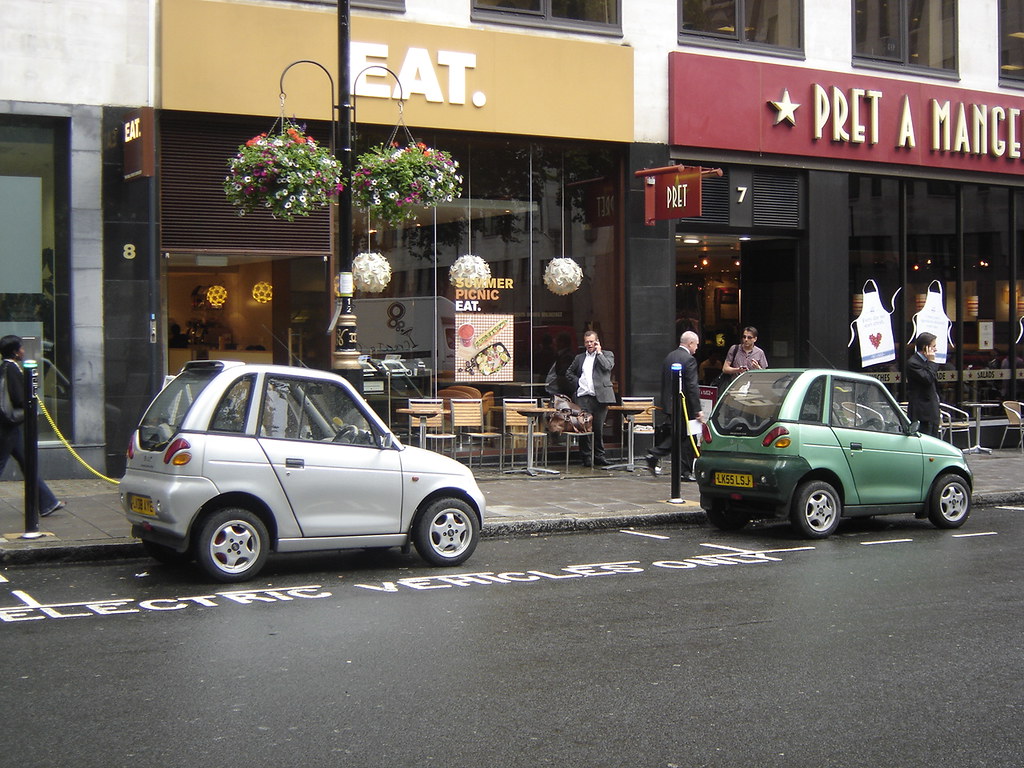
London’s ULEZ is one of the most well-known congestion charge schemes globally. While traditionally aimed at high-emission vehicles, electric cars were initially exempt from these charges. However, with the rapid increase in electric vehicle ownership, there has been ongoing debate about how long this exemption should last. As electric vehicles become mainstream, some argue that maintaining these exemptions could undermine the primary goal of reducing congestion.
2. Stockholm
Stockholm has implemented a congestion charge aimed at reducing traffic during peak hours. Electric vehicles were initially exempt, similar to other major cities. However, the city’s government has expressed plans to phase out these exemptions as electric cars become more common, focusing instead on encouraging overall reductions in car use, regardless of the power source.
3. Singapore
Singapore is known for its highly effective congestion pricing system. The city-state has granted electric cars rebates and exemptions, though these policies are also under review as EV adoption rises. Singapore’s approach is unique in that it blends congestion management with a broader vision for efficient public transportation and urban planning.
How Drivers Can Apply for Electric Vehicle Congestion Charge Exemptions
In many cities, electric vehicle owners must complete a registration process to qualify for congestion charge exemptions or discounts. This usually involves submitting proof of vehicle ownership, registration documents, and evidence that the car meets zero-emission standards. Some cities also charge a small annual administration fee to maintain the exemption.
It’s important for drivers to stay updated on policy changes, as exemptions may expire or eligibility rules may be adjusted as electric vehicle adoption grows. Understanding the application process ensures drivers can maximize savings while complying with local transport regulations.
The Case for Charging Electric Cars
While exempting electric cars from congestion charges was once seen as a progressive move to encourage the use of cleaner vehicles, critics argue that this policy may need to evolve. Congestion, after all, isn’t just a matter of emissions—it’s also about reducing traffic and creating more livable urban spaces.
1. Traffic Volume
Even though electric cars produce zero emissions, they still contribute to traffic congestion. More cars on the road, regardless of their fuel type, mean more traffic jams, longer travel times, and a strain on infrastructure. Some cities are rethinking congestion charges to focus on overall traffic reduction, not just pollution.
2. Equity Issues
As electric cars become more popular and affordable, continuing to exempt them from congestion charges could create equity issues. People who can afford electric vehicles may benefit from free access to city centers, while those who can’t afford an EV still have to pay. Some urban planners argue for a more equitable approach, where all vehicles are subject to congestion charges, regardless of their power source.
3. Revenue for Infrastructure
Congestion charges generate significant revenue, which cities can use to invest in public transportation and infrastructure improvements. If a large portion of vehicles on the road are exempt due to being electric, this revenue stream could shrink, potentially limiting investments in sustainable urban development.
The Case for Exempting Electric Cars
Despite these arguments, there are compelling reasons to continue offering exemptions or discounts for electric cars in congestion zones, especially in the near future.
1. Promoting Green Mobility
Governments are actively pushing for the adoption of electric vehicles as part of their climate goals. Continuing to exempt EVs from congestion charges can act as a financial incentive, encouraging more people to switch to cleaner forms of transportation.
2. Phasing Out Combustion Engines
Many countries have set ambitious targets for phasing out gasoline and diesel vehicles in the coming decades. Congestion charge exemptions for electric cars align with this goal, supporting policies that accelerate the transition to zero-emission vehicles.
3. Reducing Urban Pollution
Air quality in cities remains a pressing concern. Electric vehicles play a key role in reducing harmful emissions like nitrogen oxides (NOx) and particulate matter (PM), which contribute to respiratory problems and other health issues. By exempting electric cars, cities can create healthier environments while reducing the need for other pollution control measures.
The Future of Congestion Charges for Electric Cars
As cities around the world adapt to the rise of electric vehicles, congestion charge policies will need to evolve. Here are some potential directions these policies could take in the future:
1. Dynamic Pricing Models
Some cities are exploring dynamic pricing models, where congestion charges vary based on factors like time of day, traffic levels, and vehicle type. In this model, electric cars could still receive discounts, but the primary focus would be on managing traffic volume and optimizing road usage.
2. Encouraging Public Transport
Rather than simply adjusting congestion charges for electric cars, cities may focus on improving public transportation. Investments in efficient, reliable, and affordable public transit could reduce the need for private vehicles, electric or otherwise. This approach promotes more sustainable urban mobility and addresses congestion at its root.
3. Smart City Solutions
As technology advances, cities could adopt smart traffic management systems that optimize traffic flow in real-time. Electric cars could be integrated into these systems, with congestion charges adjusted dynamically based on actual road conditions. These solutions would leverage data and technology to create more efficient and environmentally friendly urban transportation networks.
Conclusion
The debate over congestion charges for electric cars highlights the complexity of modern urban planning. While electric vehicles offer clear environmental benefits, they are not a panacea for traffic congestion. As cities continue to evolve, congestion charge policies must strike a balance between promoting green mobility and reducing overall traffic. By embracing dynamic, technology-driven solutions and investing in sustainable infrastructure, cities can create urban environments that are both efficient and environmentally friendly.
Apart from that if you want to know about “Best Tumble Dryer: A Comprehensive Guide, Types, Features, Pricing and Much More” then please visit our “Tech” Category.
FAQs
A congestion charge is a fee that drivers pay to enter certain zones in busy urban areas, especially during peak hours. It aims to reduce traffic congestion, lower pollution, and encourage the use of public transportation or cleaner vehicles.
In many cities, electric cars are either exempt from congestion charges or eligible for discounts as part of efforts to promote environmentally friendly vehicles. However, this exemption may change as the number of electric vehicles (EVs) increases.
Electric cars are exempt because they produce zero tailpipe emissions, helping cities reduce air pollution. The exemption is also meant to encourage people to switch from gasoline or diesel cars to cleaner alternatives.
Cities like London, Stockholm, and Singapore offer congestion charge exemptions or discounts for electric vehicles. Policies vary by location, so it’s important to check local regulations.
As electric cars become more common, some cities are reconsidering these exemptions. Even though EVs reduce pollution, they still contribute to traffic congestion, which could lead to changes in how they’re charged in the future.