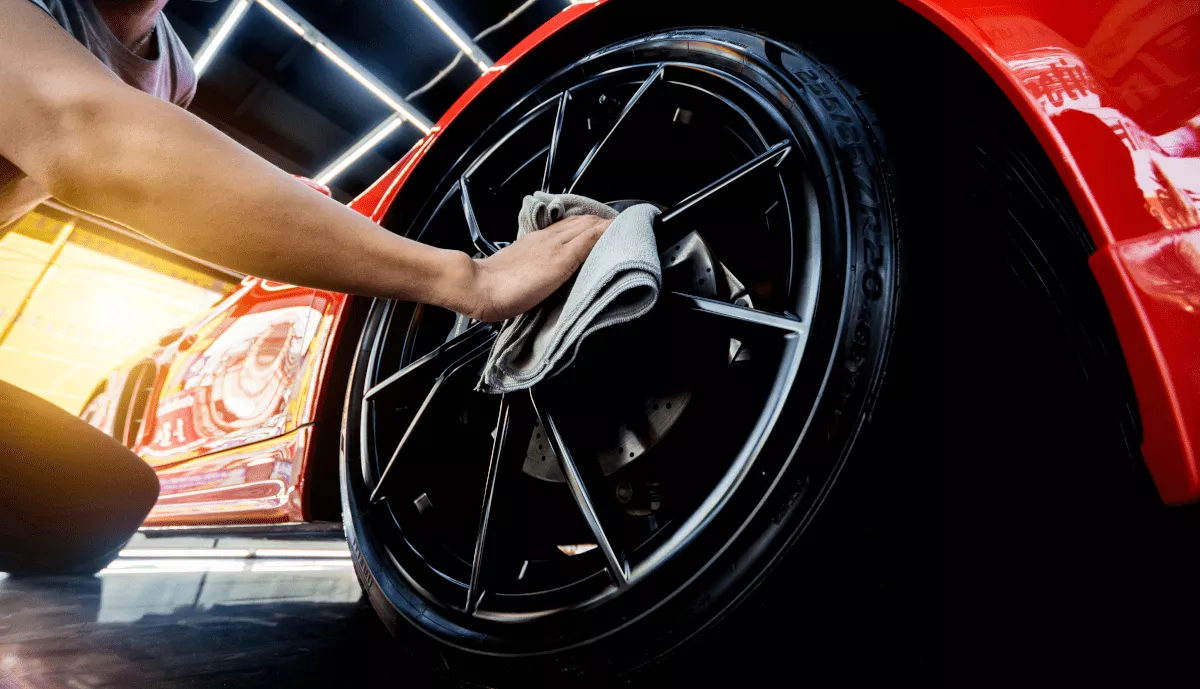
A ceramic wash is a car wash that finishes the paintwork with a silica (SiO2) based product, leaving a thin hydrophobic layer that makes water bead, adds gloss and helps dirt slide off. It is not the same as a professional ceramic coating: the protection from a wash typically lasts weeks rather than years, but it is far cheaper and quicker. For drivers in a harsh climate such as Chicago’s, regular ceramic washes are a practical middle ground between a basic wash and a full detail.
Keeping a car clean is about more than looks; it protects paint, trim and resale value. That is why more drivers are choosing ceramic washes and premium wash services. This guide explains how they work, how they compare with waxes and coatings, why they suit Chicago driving, and what to look for when you search for Washes Chicago providers.
What Is a Ceramic Wash?
A ceramic wash is a cleaning service that uses ceramic-infused shampoos, rinse aids or spray sealants to leave a protective film on the vehicle’s surface. The active ingredients are usually silica-based compounds that bond lightly to the clear coat. Unlike traditional soap or wax-based washes, the result is strongly water-repellent, so rain and rinse water bead and roll away, carrying loose dirt and grime with them.
Most ceramic washes follow a familiar sequence: a pre-rinse and snow foam to soften dirt, a contact or touchless wash, wheel and tyre cleaning, application of the ceramic product, a final rinse and a drying stage. Better providers also clean door shuts and treat tyres, and some add an interior vacuum.
Ceramic Wash vs Wax vs Ceramic Coating
These three are often confused. The table below summarises the practical differences.
| Option | How it works | Typical durability | Best for |
|---|---|---|---|
| Traditional wash | Removes dirt; little or no protection left behind | Until the next rain or road spray | Quick, regular cleaning |
| Wax or wax wash | Leaves a natural or synthetic wax layer | A few weeks, less in bad weather | Warm gloss on a budget |
| Ceramic wash | Adds a thin silica-based hydrophobic film | Several weeks, depending on product and conditions | Regular top-ups of protection and shine |
| Professional ceramic coating | Hard, cured coating applied after paint correction | Often marketed as one to several years | Long-term protection on newer or valued cars |
If your car already has a professional ceramic coating, a ceramic wash is a good way to maintain and “top up” its water-beading. If it does not, regular ceramic washes give you some of the same benefits without the cost of a full coating.
Key Benefits of Ceramic Washes
- Enhanced shine: a deep, glossy finish similar to a freshly waxed car.
- Protection between washes: the film helps shield paint from UV, bird droppings, tree sap and road salt.
- Easier maintenance: dirt and contaminants do not stick as easily, so later washes are quicker.
- Better visibility: water-repellent glass sheds rain more effectively.
- Value retention: paint that is kept clean and protected tends to look better at resale.
A ceramic wash is not armour. It will not stop stone chips, fix swirl marks or remove scratches; those need paint protection film or paint correction.
Why Ceramic Washes Are Popular in Chicago
Chicago is tough on cars. Winters bring snow, slush and heavy use of road salt, which clings to paint, wheels and the underbody and encourages corrosion. Summers bring heat, strong sun, pollen and bugs, while year-round city driving adds brake dust, diesel soot and grime. A water-repellent layer makes all of these easier to rinse away, and it means that slushy spray from the expressway dries off less stubbornly.
Local providers have responded with ceramic wash packages that go beyond basic cleaning. These usually combine exterior protection with wheel care, an undercarriage rinse to flush out salt, and optional interior cleaning. In winter, the undercarriage rinse is arguably the most important part of the package.
Types of Car Wash in Chicago
When people search for “Washes Chicago”, they generally want convenience and a professional result. The city offers a wide spread of options:
| Wash type | Pros | Cons |
|---|---|---|
| Automatic (tunnel or in-bay) | Fast and affordable; many offer a ceramic add-on | Brushes can cause fine swirl marks on dark paint |
| Touchless automatic | No physical contact with paint | Stronger chemicals; may leave a thin traffic film |
| Hand wash | Careful, thorough cleaning; good for luxury cars | Takes longer and costs more |
| Mobile car wash | Comes to your home or workplace | Needs booking; limited in very cold weather |
| Detailing studio | Ceramic coatings, paint correction, interiors | Highest cost; car may be off the road for a day or more |
How Often Should You Get a Ceramic Wash?
There is no single rule, but a sensible pattern is a full ceramic wash every few weeks, with simple maintenance washes in between. In a Chicago winter, wash more often, ideally soon after a salting or snow event, and make sure the underbody is rinsed. In summer, remove bird droppings and bug splatter promptly, as they can etch the clear coat in hot sun. A good sign that it is time to re-apply is when water stops beading tightly and starts to sheet slowly or sit flat on the paint.
How to Choose the Best Wash in Chicago
- Check reviews and photos for consistent results, not just a handful of glowing comments.
- Ask what product is used and whether it is a true ceramic (SiO2) product or simply a “ceramic” marketing name.
- Look at the wash method: soft cloth, touchless or hand wash, and how they dry the car.
- Confirm what is included: wheels, tyres, undercarriage rinse, glass and interior.
- Compare membership plans if you wash often; unlimited plans can work out cheaper for frequent visits.
- Consider convenience: a location close to home or work, or a mobile service, makes regular washing realistic.
Common Mistakes to Avoid
- Expecting a ceramic wash to last as long as a professional coating.
- Washing in direct hot sun, which can leave water spots before the product sets.
- Using harsh household detergents at home between visits, which strip the protective film.
- Skipping the undercarriage rinse in winter, when salt does the most damage.
- Drying with a rough towel or a squeegee, which can mark the paint.
Final Thoughts on Ceramic Washes
Ceramic washes offer an affordable way to add shine and short-term protection between bigger detailing jobs, and they make cars noticeably easier to keep clean. In a city like Chicago, with salt-covered winters and hot summers, pairing regular ceramic washes with an undercarriage rinse is one of the simplest ways to protect a car’s paint and resale value. Choose a provider that is transparent about its products and methods, and re-apply whenever water stops beading.
FAQs
What is the difference between a ceramic wash and a ceramic coating?
A ceramic wash leaves a thin silica-based film that lasts weeks, while a professional ceramic coating is a harder layer applied after paint preparation and designed to last much longer. A wash costs far less and can be used to maintain an existing coating.
How long does a ceramic wash last?
It depends on the product, how often you drive and the weather. Many drivers find the water-beading lasts several weeks, but heavy winter salt and frequent harsh washing will shorten it.
Is a ceramic wash worth it?
For drivers who wash regularly, yes, especially in harsh climates. You get extra gloss, easier cleaning and some protection from salt and UV for a modest extra cost over a standard wash.
Can I get a ceramic wash on a car with a ceramic coating?
Yes. A ceramic wash is a good way to refresh the hydrophobic effect of an existing coating. Check with the coating installer if your warranty specifies particular maintenance products.
Are touchless car washes better for paint?
Touchless washes avoid brush contact, so they are less likely to cause swirl marks, but they rely on stronger chemicals and may not remove all road film. A careful hand wash is usually gentlest on paint.