Can you drink tap water in London every day? The simple answer is yes, but there are a few important details you should understand before making it a daily habit. London’s tap water is highly regulated, carefully treated, and consistently monitored, making it safe for regular consumption. However, factors such as water hardness, mineral content, chlorine levels, taste differences, and the condition of household plumbing can all influence how the water feels and tastes, and how it suits your personal preferences.
For many residents, drinking tap water is a convenient and cost-effective choice, especially when compared to bottled water. It is also an environmentally friendly option that helps reduce plastic waste. At the same time, some people may notice a slightly chalky taste or mild chlorine smell, which can raise questions about quality and health impact; even though these characteristics are generally harmless.
London Tap Water: Key Facts and Daily Use Guide
| Aspect | Details |
|---|---|
| Safety Level | Meets strict safety standards for daily drinking |
| Source | Rivers, reservoirs, and underground supplies |
| Treatment Process | Filtered, disinfected, and purified before distribution |
| Chlorine Presence | Added in small, safe amounts to kill bacteria |
| Mineral Content | Contains calcium and magnesium |
| Water Type | Classified as hard water |
| Taste | Slightly mineral-rich or chalky |
| Odor | Mild chlorine smell may be noticeable |
| Daily Consumption | Safe for regular use |
| Health Impact | No harmful effects for most people |
| Nutritional Value | Provides small amounts of essential minerals |
| Boiling Requirement | Not necessary for safety |
| Filtration Need | Optional, based on personal preference |
| Appliance Impact | Can cause limescale buildup |
| Skin Effects | A mild chlorine smell may be noticeable |
| Hair Effects | Can make hair feel rough in some cases |
| Plumbing Influence | Old pipes may affect taste or quality |
| Best Drinking Practice | Use cold tap water |
| Storage Tip | Keep in clean, covered containers |
| Tourist Safety | Safe for visitors to drink |
| Environmental Impact | Eco-friendly compared to bottled water |
| Cost Efficiency | Much cheaper than bottled water |
| Taste Improvement | Can be enhanced with filters or chilling |
| Common Concern | Mineral residue in kettles |
| Overall Recommendation | Safe, reliable, and suitable for daily use |
Is It Safe to Drink Tap Water in London Every Day?
Yes, London tap water is safe to drink daily. It meets safety standards and undergoes regular testing to ensure quality.
Water suppliers in London:
- Monitor water quality continuously.
- Test for bacteria, chemicals, and impurities
- Guarantee that the water complies with both national and international safety regulations.
Bottom line: You can confidently drink tap water in London daily without boiling or special treatment.
Where Does London’s Tap Water Come From?

London’s tap water mainly comes from natural sources such as:
- Rivers (especially the Thames and Lea)
- Underground water reserves
This water is collected, stored, and then treated before reaching homes and businesses.
How is London’s tap water treated?
Before it reaches your tap, water goes through several purification steps:
Treatment Process
- Removal of large particles and debris
- Filtration through sand and carbon
- Disinfection using safe methods
- The addition of a small amount of chlorine to kill bacteria
These steps ensure the water is:
- Free from harmful microorganisms
- Clean and safe for daily use
What Does London Tap Water Contain?
London tap water contains a mix of natural and controlled elements.
Healthy and Safe Components
- Calcium and magnesium (essential minerals)
- Small amounts of chlorine for safety
- Trace minerals within safe limits
Minor Concerns
- Slight chlorine taste or smell
- Very small traces of substances from pipes in older buildings
All these elements remain at safe concentrations and are not harmful to health.
Understanding Water Hardness in London
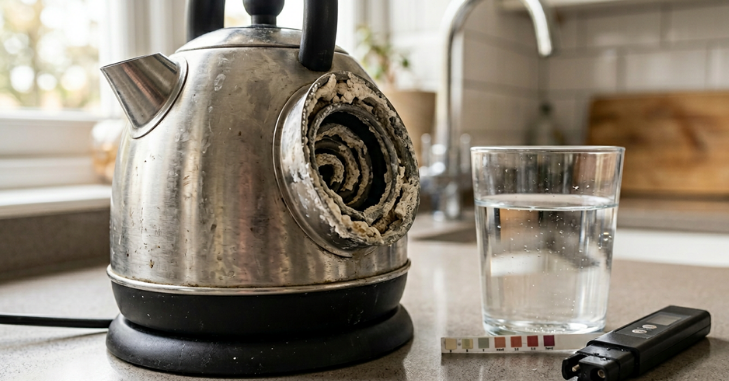
One of the most noticeable characteristics of London’s tap water is that it is classified as hard water. This means the water contains higher levels of natural minerals, mainly calcium and magnesium. These minerals enter the water supply as it passes through underground layers of chalk and limestone, which are common in the region.
As the water moves through these rocks, it dissolves small amounts of these minerals, increasing its hardness. While this process affects the taste and can lead to limescale buildup in appliances, it is completely natural and does not make the water unsafe to drink.
Is Hard Water Safe to Drink Every Day?
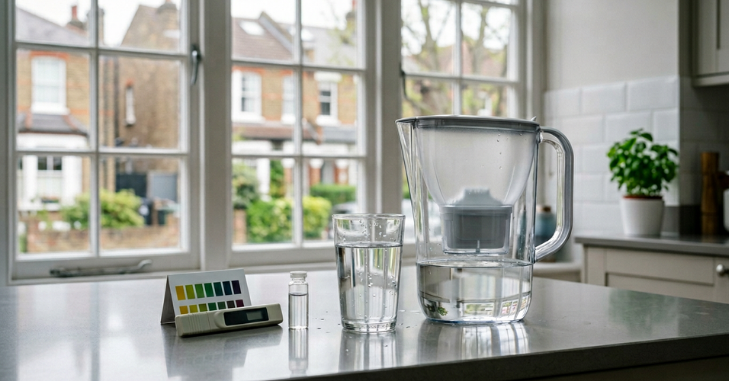
Yes, hard water is safe for daily use.
Benefits of Hard Water
- Provides essential minerals
- May support bone health
- Can contribute to daily nutrient intake
Minor Drawbacks
- Leaves white residue (limescale) on appliances
- Can affect taste
- May cause dryness for sensitive skin
Despite these issues, hard water is safe for your health.
Health Impact of Drinking London Tap Water Daily
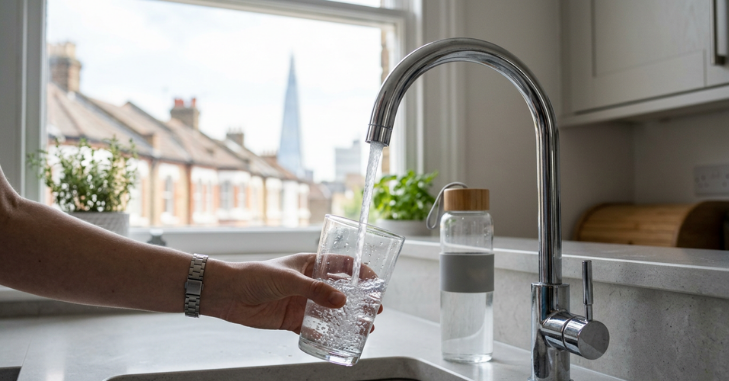
Positive Effects
- Purified and completely safe from harmful microorganisms.
- Contains beneficial minerals
- Safe for long-term daily use
Things to Keep in Mind
- Chlorine may slightly affect taste.
- Old plumbing can influence water quality in some homes.
- Sensitive individuals may prefer filtered water.
There is no evidence that daily London tap water is harmful.
Another important factor to consider when drinking London tap water every day is hydration quality and convenience. Because it is readily available and inexpensive, many people find it easier to stay consistently hydrated without relying on bottled alternatives. Regular access to safe tap water can support healthy digestion, energy levels, and overall bodily function.
For active individuals or families, this convenience makes it a practical part of daily life, while also encouraging sustainable habits that reduce unnecessary plastic consumption and long-term household costs.
Taste, Smell, and Common Concerns
Some people notice differences in taste and smell.
Common Issues
- Slight chlorine odor
- Chalky or mineral taste
- Limescale buildup in kettles
These are caused by:
- Water treatment processes
- Natural mineral content
- Important: These issues affect taste, not safety.
Do You Need a Water Filter for London Tap Water?
Using a water filter is a personal choice based on your specific needs and concerns, such as improving taste or reducing certain minor substances.
When You Might Want a Filter?
- To improve taste
- To reduce the chlorine smell
- To remove minor impurities
When It’s Not Necessary?
- For safety reasons
- For normal daily drinking
- Filtering is a personal choice, not a requirement.
Expert Tips for Drinking Tap Water Safely
To enjoy the best quality water:
Simple Tips
- Let the tap run for a few seconds before drinking.
- Store water in clean bottles
For Older Properties
- Check the plumbing if the building is old.
- Consider using a filter if needed.
Sporadic Water Quality Issues
Even though London’s supply is safe, some households may face sporadic water quality issues. Watch for these signs:
- Unusual color (brown or yellow tint)
- Strong metallic taste
- Persistent unpleasant odor
These problems are often related to internal plumbing rather than the public water supply. If you notice any of these signs, it is best to check your pipes or seek professional advice.
Quick Comparison Table: Tap Water vs Bottled Water in London
| Feature | Tap Water | Bottled Water |
| Safety | Highly regulated | Safe |
| Cost | Very low | Expensive |
| Environmental impact | Eco-friendly | Creates plastic waste |
| Mineral content | Natural | Varies |
| Taste | Hard/mineral-rich | Usually smoother |
Conclusion
So, can you drink tap water in London every day? Yes, you can; and for most people, it is a safe, practical, and healthy choice. While some people may notice a different taste due to chlorine or mineral content, these factors do not affect safety. If taste or limescale is a concern, using a simple water filter or letting the water sit for a few minutes can improve the taste. It is also wise to be mindful of very old plumbing systems, as they may, in rare cases, affect water quality.
Drinking tap water in London daily is safe, cost-effective, and more environmentally friendly than bottled water. Understanding its composition and taking simple steps lets you confidently make it part of your routine.
Want to know about The Role of Routine in Supporting Healthy Aging Check out our Health category.
Frequently Asked Questions (FAQs)
Yes, tourists can safely drink tap water in London.
No, boiling is not required because the water is already treated.
The taste comes from natural minerals and the treatment process.
In most cases, yes, but kitchen tap water is usually preferred.
Not necessarily. Tap water is safe, affordable, and environmentally friendly.