Ayurvedic doctors in Surat usually treat skin allergies by calming inflammation from within: correcting digestion, adjusting diet for the city’s hot, humid climate, and using herbal formulations chosen for the individual rather than a one-size remedy. The approach works best as a complement to dermatology care, not a replacement for it, and any sudden swelling, breathing difficulty or fever needs emergency medical attention first.
Recurring rashes, itching, redness and irritation that keep coming back after every tube of cream are what push most people to look beyond quick fixes. In Surat, sweat, dust from construction and traffic, synthetic textiles and rich street food are all common triggers. The discomfort is not only physical: poor sleep, low mood and self-consciousness about visible patches often follow. This guide explains how Ayurveda views skin allergies, what a sensible consultation looks like, how to choose a practitioner, and which everyday habits genuinely help.
How Ayurveda Understands Skin Allergies
In conventional medicine, a skin allergy is an overreaction of the immune system: the body treats something harmless, such as a fabric dye, nickel, a food protein or pollen, as a threat and responds with inflammation. Ayurveda describes the same picture in different language. It links most allergic skin reactions to aggravated Pitta (heat and inflammation), often combined with Kapha (fluid, congestion and heaviness), and to “ama”, the undigested residue that builds up when digestion is weak.
Put simply, when digestion is disturbed and internal heat rises, the skin becomes one of the places the imbalance shows. Rather than only suppressing the itch, Ayurvedic care tries to lower that inflammatory load by working on the gut, liver function, stress and sleep together.
The three mechanisms practitioners look for
Classical texts group many skin disorders under “Kushta”, a broad category that covers both mild and chronic conditions. Within it, practitioners usually assess three patterns:
- Pitta aggravation – burning, redness, heat and sensitivity, often worse in summer or after spicy food.
- Kapha involvement – swelling, oozing, thickened or sticky patches, often worse in damp weather.
- Ama accumulation – coated tongue, heaviness after meals, irregular bowels and dull, congested skin, pointing to weak digestion.
Most people show a mix. Identifying which pattern dominates is what decides whether the plan leans towards cooling, drying, digestive support or gentle cleansing.
Common Triggers in Surat’s Climate
Surat’s long, humid summers and heavy monsoon create conditions that make some skin problems more likely. Patients commonly describe itching that worsens at night, flare-ups after spicy or fried snacks, and rashes that appear during exam season or busy work periods. Sweat trapped under tight clothing also encourages fungal infections, which can look very similar to allergic rashes and need different treatment.
| Trigger | What people notice | Practical response |
|---|---|---|
| Heat and humidity | Prickly, red rash in skin folds | Loose cotton clothing, cool (not cold) showers, dry folds well |
| Synthetic fabrics | Itching where clothes rub | Switch to cotton or linen next to the skin |
| Spicy, sour or fried food | Flare-up within a day or two | Keep a food diary and cut back on obvious culprits |
| Stress and late nights | Worsening itch, especially at night | Regular sleep time, short breathing practice |
| Fragranced soaps and cosmetics | Burning or stinging on the face | Fragrance-free, mild cleansers; patch-test new products |
| Dust and pollution | Dry, irritated exposed skin | Rinse face and arms after commuting |
Many people say a rash “starts as a small itch and suddenly spreads”. That progression often reflects an underlying inflammatory pattern rather than surface irritation alone, which is why careful observation is part of an Ayurvedic assessment.
What to Expect From an Ayurvedic Consultation
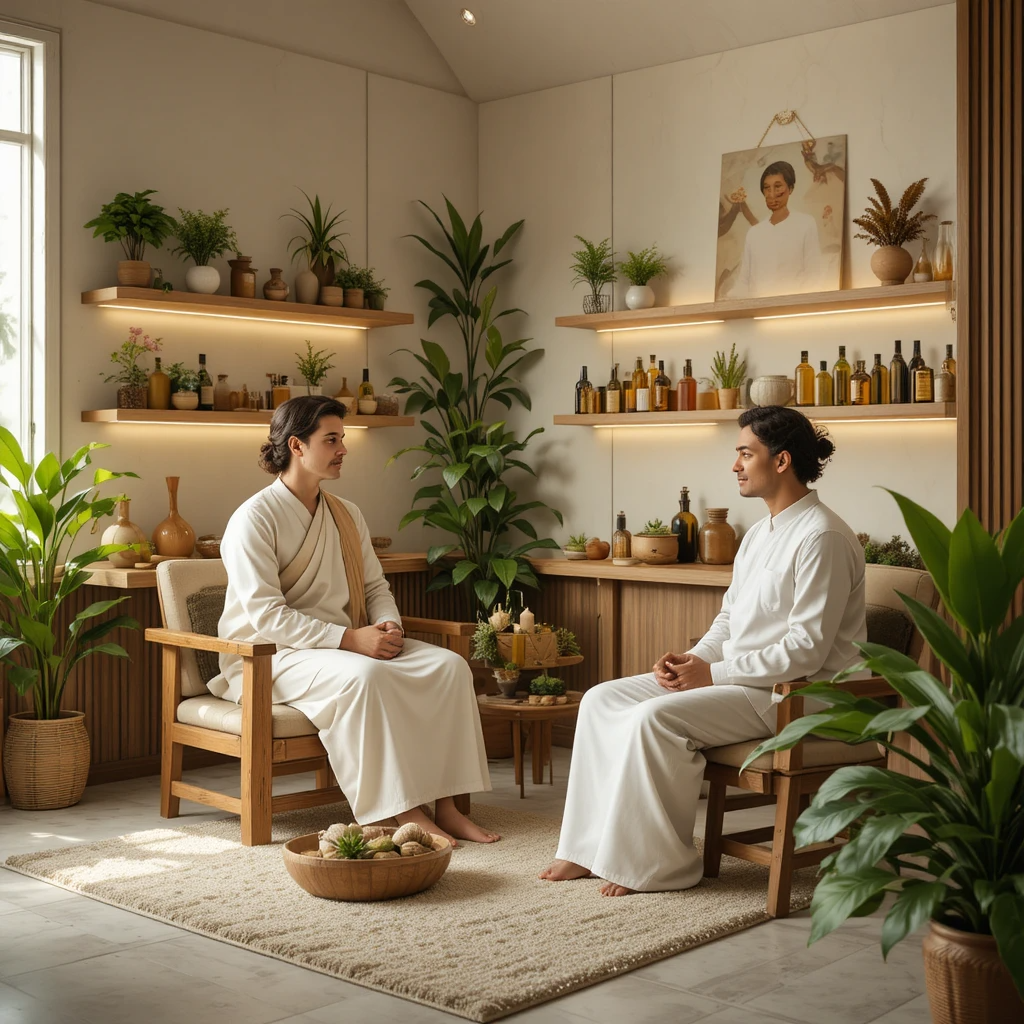
A thorough first appointment usually takes longer than a typical clinic visit. Expect questions about your diet, bowel habits, sleep, work stress, menstrual cycle where relevant, family history and every product you put on your skin. The practitioner will usually examine the affected areas, your tongue and your pulse, and ask what you have already tried.
- History and assessment – when the problem started, what makes it better or worse, and any prescribed medicines you take.
- Pattern identification – which of Pitta, Kapha and ama features dominate.
- Diet and routine plan – specific foods to favour and reduce, meal timings and sleep advice.
- Herbal support – internal formulations and sometimes medicated ghee or topical preparations, chosen for your case.
- Follow-up – reviews every few weeks to adjust the plan as symptoms change.
In selected cases, a practitioner may suggest mild Panchakarma therapies. Not every patient needs intensive cleansing; for many, consistent dietary and routine changes make a noticeable difference on their own. Be wary of anyone who promises a guaranteed permanent cure in a fixed number of days.
How to Choose the Right Practitioner
When you search for ayurvedic doctors in Surat for skin allergy Ayurveda help, the number of listings can be overwhelming. A few checks help separate careful practitioners from those selling packages:
- Qualification – look for a recognised BAMS (Bachelor of Ayurvedic Medicine and Surgery) degree or a postgraduate MD in Ayurveda, and registration with the state board.
- Experience with skin conditions – ask how often they treat eczema, urticaria or contact dermatitis.
- Willingness to work alongside your doctor – a good practitioner will not tell you to stop prescribed medicines abruptly.
- Transparency about herbs – you should be told what you are taking, the dose and for how long.
- Realistic timelines – honest practitioners talk about weeks to months, not overnight results.
- Clear follow-up – regular reviews rather than a single prescription and no further contact.
Online consultations can work well for follow-ups and diet guidance, but an in-person examination is useful at the start, especially if the rash is widespread or changing quickly.
Daily Routine Tips That Support Calmer Skin
Ayurveda places heavy weight on dinacharya, the daily routine. The aim is not perfection but consistency, because irregular habits keep inflammation simmering.
- Wake and sleep at roughly the same times, and aim to be in bed before 11 pm; late nights are linked to increased internal heat.
- Start the day with a glass of warm water to support digestion.
- Avoid very hot showers, which dry the skin and aggravate Pitta; lukewarm water is kinder.
- Use mild, fragrance-free cleansers and pat the skin dry rather than rubbing.
- Apply a thin layer of coconut oil to dry, non-weeping areas; avoid heavy oils on patches that are oozing.
- Spend five minutes on slow breathing each day; stress directly affects immune stability.
Building these habits into a steady daily rhythm matters more than any single remedy, because the benefits come from repetition over weeks.
Food and Lifestyle Suggestions
Dietary advice in Ayurveda for allergy-prone skin generally favours cooling, easily digested meals. These are safe, general suggestions; a practitioner may adjust them for your constitution.
| Favour | Reduce |
|---|---|
| Rice, moong dal, khichdi | Very spicy chutneys and pickles |
| Bottle gourd, ridge gourd, ash gourd | Deep-fried farsan and street snacks |
| Pomegranate, sweet seasonal fruit | Sour, fermented foods in excess |
| Moderate ghee, buttermilk with meals | Heavy, late dinners |
| Plenty of water and coconut water | Excess tea, coffee and fizzy drinks |
Avoid skipping meals. Irregular eating weakens digestion, which Ayurveda links directly to ama formation. Eat your largest meal around midday when digestion is considered strongest, and keep dinner light.
Common Mistakes to Avoid
Many setbacks come from well-meant self-treatment rather than the condition itself:
- Self-prescribing strong detox herbs – over-cleansing can weaken digestion further and leave you drained.
- Stacking internet remedies – lemon juice, baking soda and DIY masks can worsen inflamed skin.
- Stopping prescribed medicines suddenly – abruptly stopping steroid creams can cause a rebound flare; taper only with medical advice.
- Assuming every rash is an allergy – fungal infections, scabies and psoriasis need different treatment.
- Expecting instant results – most plans need several weeks before changes are visible.
Safety and When to Seek Medical Help
Seek emergency care immediately for facial or lip swelling, difficulty breathing, high fever, a rapidly spreading rash or severe pain. These can signal a serious allergic reaction or infection. Chronic eczema, suspected psoriasis or persistent discharge should also be assessed by a dermatologist.
Ayurveda complements but does not replace medical care. Pregnant women, children, older adults and anyone with diabetes, kidney or liver disease, or an autoimmune condition should only start herbal treatment under professional supervision, because natural does not automatically mean harmless. Always tell both your doctor and your Ayurvedic practitioner about everything you are taking, so they can watch for interactions. If you are unsure, speak to a qualified medical professional before starting any new treatment.
Bottom Line
Skin allergies are often a signal of wider imbalance rather than an isolated skin problem. A qualified Ayurvedic doctor in Surat can help you work on digestion, inflammation, routine and stress together, while your dermatologist manages acute symptoms. Start with the simple changes above, keep a trigger diary for a month, and choose a practitioner who is open about their qualifications, herbs and timelines.
FAQs
Can Ayurveda cure a skin allergy permanently?
Some mild cases improve significantly with consistent dietary and lifestyle changes, and flare-ups may become rare. Chronic or autoimmune-related conditions usually need long-term management rather than a one-time cure. Be cautious of anyone guaranteeing a permanent result.
Is Ayurvedic treatment safe for children with skin allergies?
It can be, when supervised by a qualified practitioner who adjusts herb choice and dose for the child’s age and weight. Never give adult formulations to children. Keep the child’s paediatrician informed of anything they are taking.
How long does it take to see improvement?
Mild allergic reactions may settle within a few weeks of steady changes. Long-standing eczema or dermatitis can take several months of consistent treatment. Regular follow-ups help the practitioner adjust the plan as you go.
Can I keep using steroid creams while starting Ayurveda?
Often yes, but your dermatologist and Ayurvedic practitioner should both know about it. Stopping steroid creams suddenly can cause a rebound flare, so any reduction should be gradual and medically guided.
Does diet really affect skin allergies?
Yes, for many people it does. Very spicy, sour, fried and processed foods can aggravate inflammatory patterns, especially in Pitta-dominant individuals. A food diary is the simplest way to spot your personal triggers.
Is Panchakarma necessary for everyone with skin allergies?
No. Panchakarma therapies are selected based on a person’s strength, age, medical history and the severity of symptoms. Many people improve with diet, routine and herbal support alone.