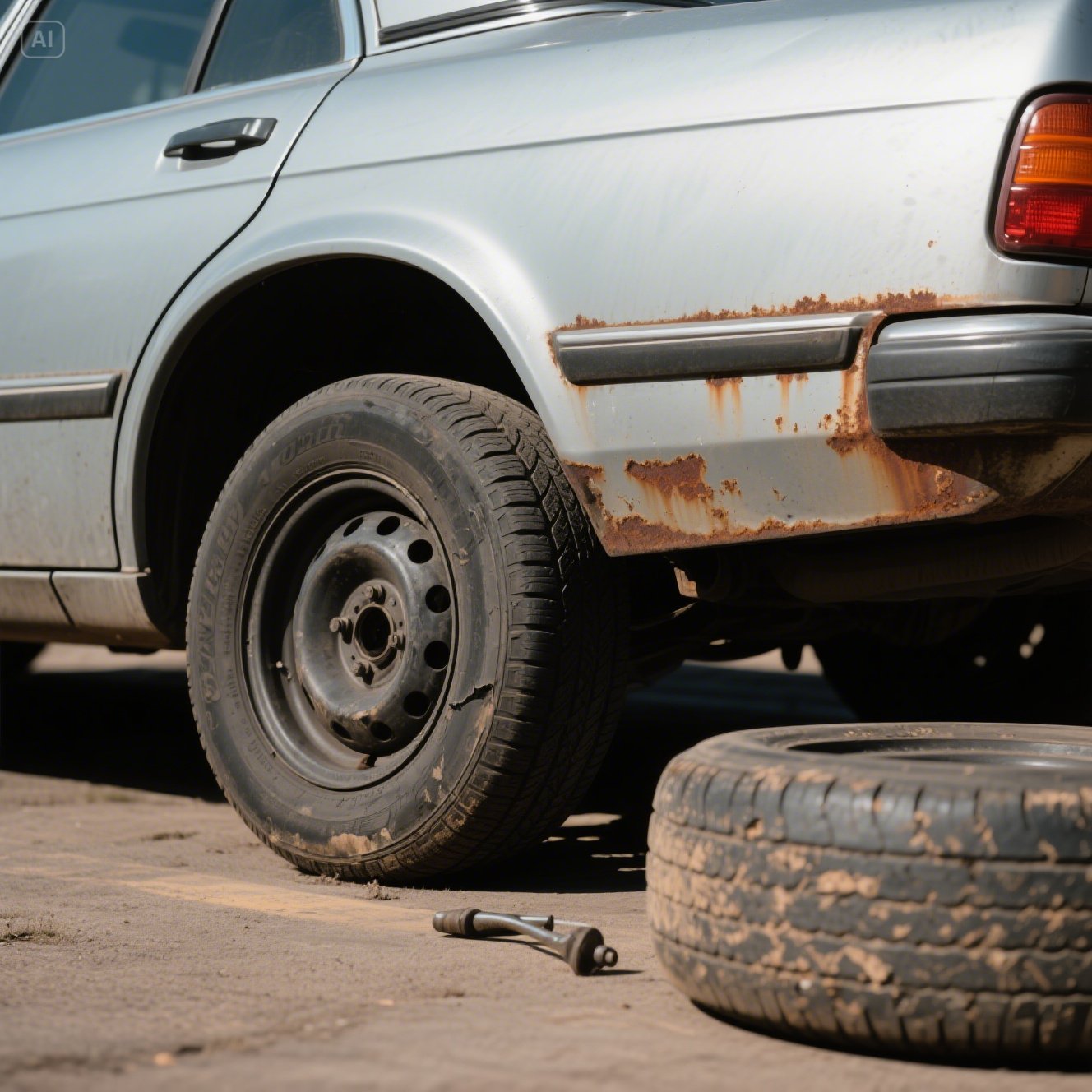
A trouble-free drive relies on so much more than a tank full of fuel and a functioning engine. Maybe one of the most neglected elements of car safety is the health of the tyres. So many drivers assume tyres are everlasting or just need replacing once they get a puncture, but the truth is far more catastrophic. Tyres experience pressure, heat, road contact, and time stress constantly. Understanding when your vehicle is indicating tyre replacement could prevent accidents and cost less in the long run.
- Tread Depth Is Worn Thin: Tread depth is one of the most apparent indicators that your tyres are no longer roadworthy. Treads actually assist one in preserving grip on the road. And once this depth gets too shallow, your tyre no longer has the capacity to safely disperse water. Even if tyres appear respectable from afar, worn treads indicate that they are quietly betraying you.
- Vibration Becomes Your Normal Drive Feel: If your ride is rougher or you constantly experience vibrations entering through the steering wheel or seats, your tyres may be unevenly worn or out of balance. Though suspension defects do generate vibrations, tyres are most often the guilty parties. These vibrations build gradually over time, so many drivers begin to tune them out.
- Tyres Begin to Make Unusual Sounds: Unusual sounds from tyres when moving usually signify uneven wear or wear out. It could start like a humming, followed by thudding or flapping noises. The change in sounds may be an indicator of issues such as flat spots, punctures, or broken belts in the tyre structure.
- Your Tyres Are Cracking Like Old Skin: The obvious indication that tyres are worn out is cracking on the sidewalls. Cracking can be caused by age, sun exposure, or even dry conditions. What might simply be surface damage might actually be an indication of internal deterioration. Cracked tyres that sit for a while will eventually result in air loss or outright blowouts while driving.
- You Find One Tyre Wears Out Quicker Than The Rest: Asymmetrical tyre wear is truly a clear indicator of alignment or inflation problems, but it also means that some tyres are under greater stress than others. When one or two tyres look to be much more worn than the rest, it is time to start thinking about replacing them before they get the whole car to pay the price.
- It’s Been More Than Five Years: Even if your tyres look okay on the outside, age is a valid reason for considering tyre replacement. Rubber naturally wears out with the passing years, and manufacturers will normally recommend having tyres replaced every five or six years even if they’re not worn out.
- Air Pressure Becomes Quite Unmanageable: A tyre that cannot retain air is no longer safe. This repeated deflation can even cause harm to the wheel itself and cause hazardous driving conditions. Patching up the problem may temporarily save you time, but replacing your tyres usually remains the only viable solution.
Conclusion
All car owners must be able to identify the warning signs of tyre failure. Don’t wait too long or it may lead to accidents, sudden breakdowns, or expensive repair of your vehicle. Tyres don’t last forever, and their deterioration is usually quiet but fatal. By being aware of them before, you save not only your vehicle but also the lives of those who are inside. When the warning signs are apparent, act at once—don’t procrastinate on the tyre replacement.
Apart from that if you want to know about “Expert Body Work Repair Services in Chicago with Carrectly Auto Care” then please visit our Automobile Category.