Hip-hop didn’t walk into London polished. It slipped in through tapes, records, and pirate radio. People heard it late at night, on headphones, at house parties where the bass rattled thin walls. At first it was borrowed. Straight from the States. But Londoners grabbed it and started shaping it. The sound got rougher, faster, made for crowded buses and estates where people lived stacked on top of each other.
The Look on the Streets
The music brought a look with it. Tracksuits, sneakers, and hoodies pulled low. Not designer at first, just what was around, what people could afford. But style has a way of shifting. Baggy silhouettes in the 90s. Slimmer lines later. Big brands creeping in. Before long, you could clock someone’s whole playlist just by how they laced their trainers or wore their caps. Fashion wasn’t separate from the music. It was the same conversation.
Spaces That Held the Sound
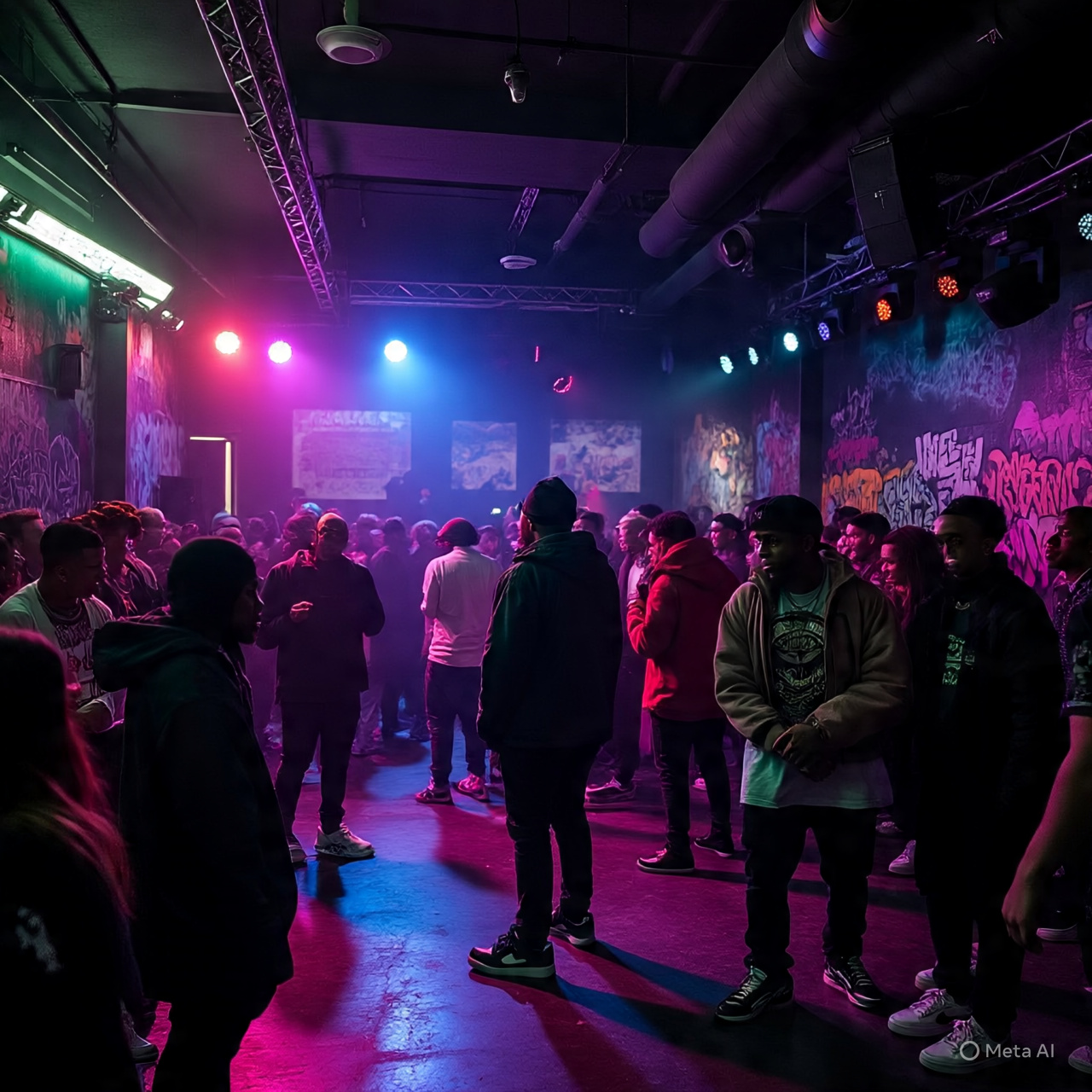
London needed places for this culture to breathe. From basements to high-end spots. Spots in Brixton, Shoreditch, Soho, and Mayfair — some of the best hip hop clubs in London. A mic, a beat, and some of the biggest names in hip-hop. The scene was — and still is, built on energy. People showed up because they wanted to hear voices like theirs.
Finding A London Voice
Something shifted when artists stopped copying the US sound. The accent came through. The slang stayed local. Lyrics about estates, bus routes, cold mornings. Suddenly it wasn’t borrowed anymore. It was owned. A London voice. And once that happened, the whole culture got bigger. Kids saw themselves in it. Adults too.
Fashion Grows Up
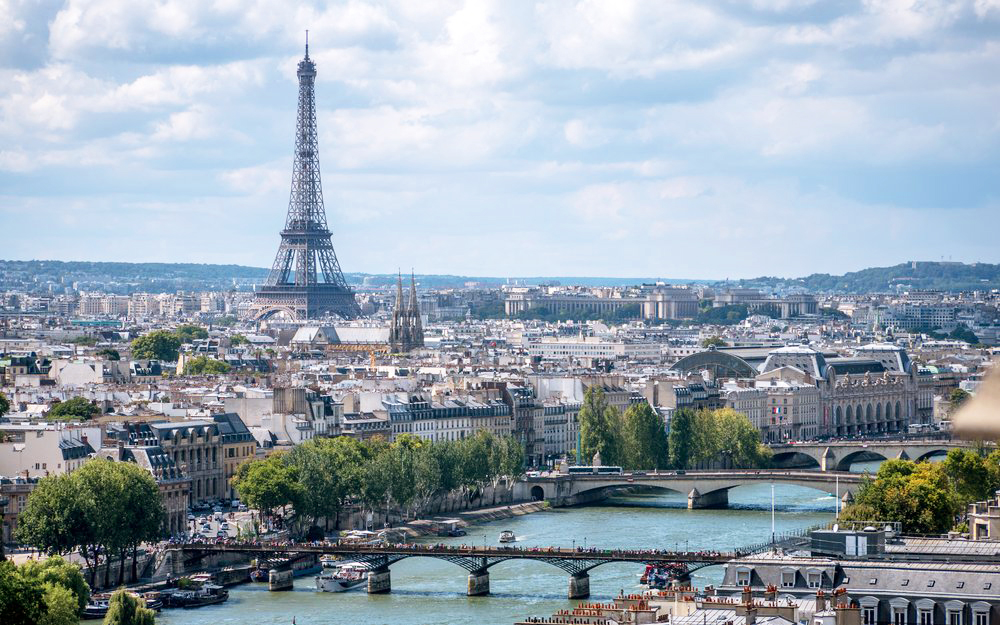
By then, fashion had moved again. Streetwear labels sprouted from within the scene. Young designers with no formal training but plenty of vision. Sneaker drops turned into events people queued for hours. Big houses, the kind of shows in Paris, started borrowing from the look. What was once underground street style sat front row at Fashion Week.
From Underground to Spotlight
It didn’t stay hidden for long. Brands noticed. Media noticed. Suddenly rappers were style icons. Invited to fashion shows, photographed in high-end restaurants, quoted in magazines that once ignored them. You could say hip-hop didn’t ask for permission. It just walked in until the city adjusted.
Pushback And Persistence
Of course, it wasn’t all welcome. Authorities tried to shut it down. Events were over-policed. Headlines pointed fingers. But the culture didn’t fold. It shifted, came back louder. Every time a door closed, another opened. That stubbornness is part of why it’s still here. Part of why it keeps growing.
A Living Culture
Now the scene is layered. Underground battles on one side, mainstream concerts on the other. Vintage thrift looks mixed with luxury fashion. A teenager writing bars in their bedroom while another sells out arenas. Hip-hop in London isn’t one thing. It’s all of it at once.
What’s Next
The truth is, it’s not done. The sound keeps changing. The style keeps shifting. You hear it in everyday slang. You see it in the trainers on the pavement. You notice it in how brands scramble to look authentic. Hip-hop in London is more than music now. It’s stitched into how the city breathes