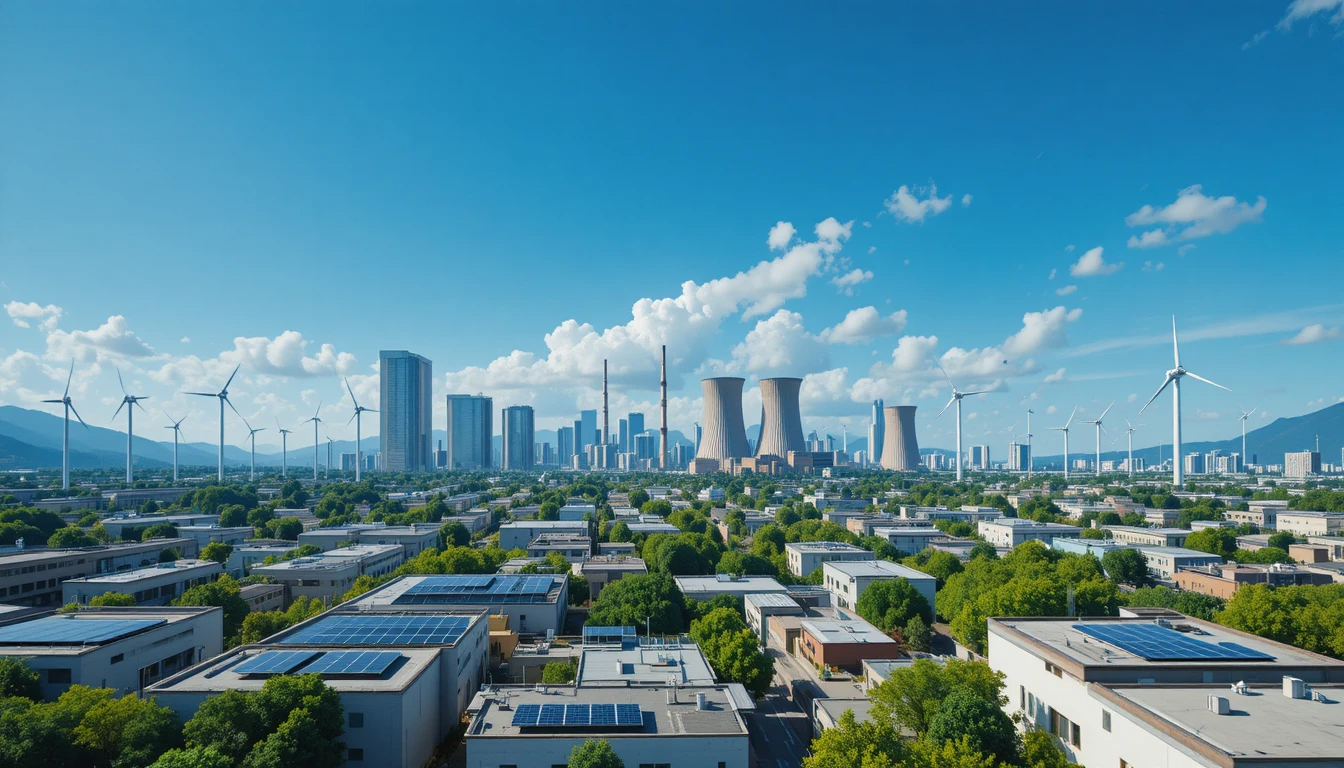
As the world confronts the escalating impacts of climate change, industries across the globe are stepping up to reduce greenhouse gas emissions. Businesses, governments, and innovators are increasingly focused on finding practical solutions that both support economic growth and protect the environment. This growing industry centered on lowering emissions encompasses clean energy, efficiency technologies, and breakthrough approaches to capture and reduce harmful pollutants from the atmosphere.
Why Lowering Emissions Matters
Carbon dioxide and other greenhouse gases trap heat in the earth’s atmosphere, leading to rising global temperatures, extreme weather events, and longterm environmental shifts. Reducing emissions is essential to slowing climate change and meeting international goals like those outlined in the Paris Agreement. Lowering emissions isn’t just an environmental imperative — it’s becoming a central economic priority as companies and countries race to innovate and remain competitive in a decarbonizing world.
Renewable Energy Powering the Transition
One of the most visible facets of the emissionsreduction industry is the rapid growth of renewable energy. Solar, wind, and hydropower projects are expanding at an unprecedented pace, offering cleaner alternatives to fossil fuelbased electricity. Advances in energy storage technology are also helping to address intermittency issues, making renewables more reliable and costeffective.
Businesses large and small are investing in onsite renewable installations or purchasing renewable energy credits to power operations. These investments not only lower emissions but can also reduce longterm energy costs and demonstrate corporate leadership in sustainability.
Energy Efficiency: Doing More With Less
Improving energy efficiency is another core strategy for reducing emissions. From industrial processes to residential buildings, efficiency measures can significantly cut energy use and emissions without sacrificing performance. Smart thermostats, LED lighting, highefficiency HVAC systems, and advanced manufacturing techniques are just some examples of technologies helping organizations do more with less energy.
Read More: How to Find Reliable Local Services in Derby
Government policies and incentives often play a key role in encouraging efficiency improvements. Rebates, tax credits, and efficiency standards help create markets for energysaving products and practices while driving economic activity in related industries.
Innovation in HeavyDuty Sectors
Some sectors are harder to decarbonize than others. Heavy industry, aviation, and shipping have unique challenges due to their energyintensive operations. That’s where novel solutions come into play. Industrial electrification, hydrogen fuels, and sustainable aviation fuels are under active development. At the same time, new approaches like carbon capture, utilization, and storage (CCUS) are gaining traction as a way to address emissions that are difficult to eliminate at the source.
Emerging technologies enable the capture of carbon dioxide before it enters the atmosphere or direct removal from ambient air. Companies working in these areas aim to turn captured carbon into useful products or safely store it underground. While still scaling, these innovations are key components of a comprehensive emissionsreduction strategy. A great example of innovation in this field is the work of carbon capture companies that develop solutions to trap and repurpose carbon dioxide from industrial sources.
Policy and Investment Driving Growth
Government policy remains a driving force behind the emissionsreduction industry. Carbon pricing, emissions trading systems, and renewable portfolio standards all provide economic incentives to cut emissions. Public funding for research and development accelerates breakthroughs in lowcarbon technologies, while private investment follows suit, fueling startups and scaling innovations.
Financial institutions are also integrating environmental, social, and governance (ESG) criteria into investment decisions. This shift is directing capital toward companies with strong emissions performance and sustainability plans, further reinforcing the market for emissionsreducing technologies.
Looking Ahead
The industry focused on lowering emissions is no longer a niche; it’s a vital part of the global economy. From renewable energy and efficiency to cuttingedge carbon capture and utilization, a diverse ecosystem of solutions is emerging to address one of the greatest challenges of our time. Continued innovation, supportive policy, and strategic investment will shape this industry’s trajectory and help ensure a cleaner, healthier future for generations to come.
Apart from that if you want to know about Business for Sale in the UK: A Growing Market for Entrepreneurs than visit our Business catagory.