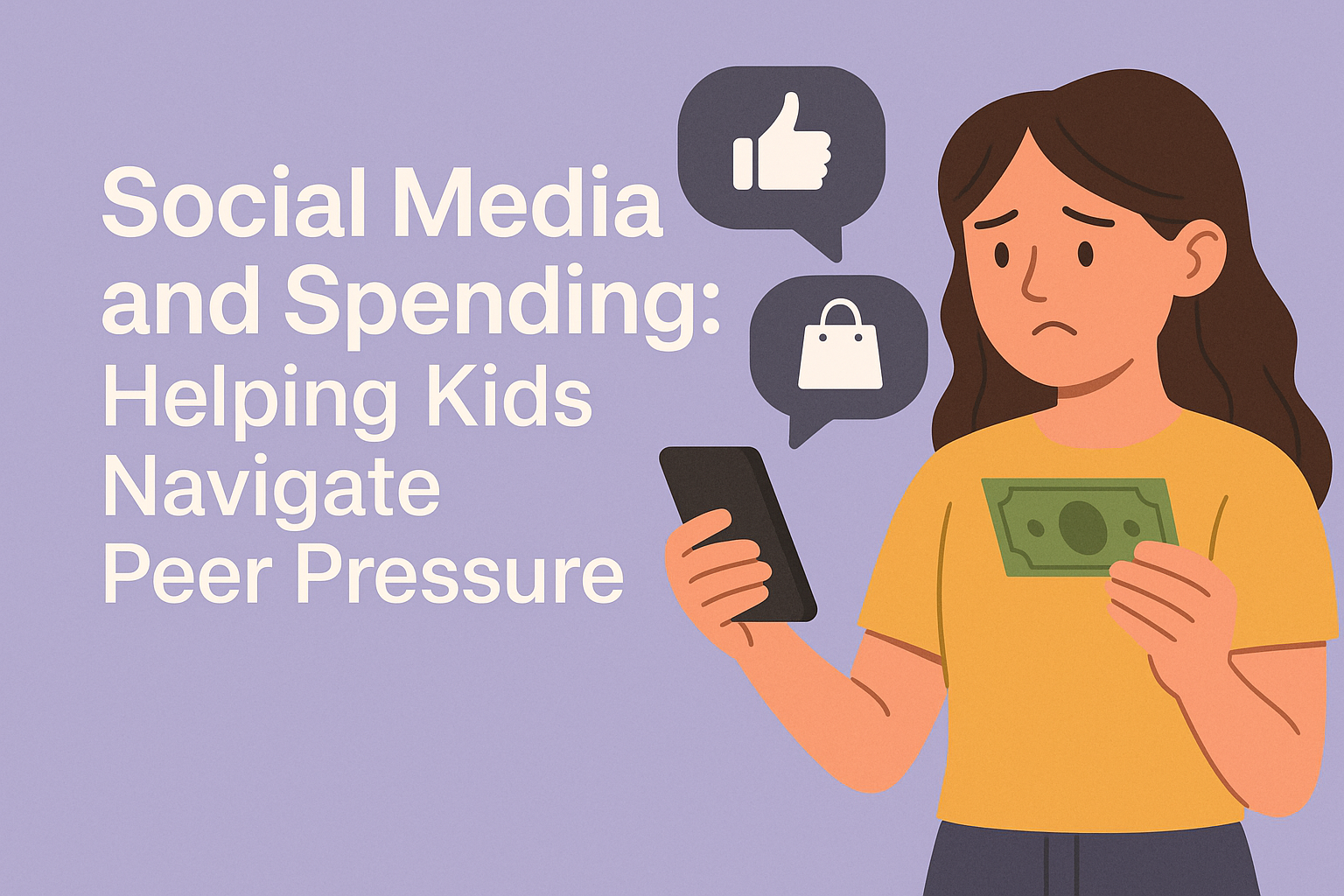
Social media has fundamentally changed how our children experience peer pressure, particularly when it comes to spending money. Where once playground comparisons were limited to who had the latest trainers or mobile phone, today’s youngsters face constant exposure to their peers’ purchases, holidays, and lifestyle choices through Instagram stories, TikTok videos, and Snapchat updates. As parents, understanding this digital landscape is crucial for helping our children develop healthy spending habits and resist the urge to keep up with the online Joneses.
The Digital Shopping Window
Unlike previous generations, today’s children have a 24/7 window into their friends’ lives through social media platforms. They see classmates showing off new purchases, influencers promoting the latest trends, and carefully curated highlight reels that can make everyone else’s life appear more exciting and materially abundant. This constant exposure creates what psychologists call “compare and despair” – a cycle where children feel inadequate about their own possessions and circumstances.
The pressure is intensified by the immediacy of social media. When a friend posts about their new iPhone or designer outfit, the desire to match or exceed that purchase becomes immediate and intense. Children may not yet have developed the cognitive skills to recognise that what they’re seeing online represents only a fraction of someone’s reality.
Building Financial Resilience
One of the most effective ways to help children navigate social media spending pressure is through open, honest conversations about money and values. Start by discussing your family’s financial priorities and explaining that different families make different choices about how they spend their money. If you foster, talk about how you budget with your fostering allowances. Some families might prioritise holidays, others might focus on saving for university, and some might prefer spending on experiences rather than material goods.
Teaching children to pause before making purchase decisions is invaluable. Encourage them to wait 24 hours before buying anything they’ve seen online, and to ask themselves whether they genuinely want the item or if they’re feeling pressured by what they’ve seen on social media. This cooling-off period often helps distinguish between genuine desires and impulse purchases driven by peer pressure.
Creating Healthy Social Media Habits
Consider implementing family guidelines around social media use that can help reduce spending pressure. This might include designated phone-free times during meals or before bedtime and encouraging children to follow accounts that align with your family values rather than those that focus heavily on material possessions.
Help your children understand that social media often presents an unrealistic picture of people’s lives. Discuss how photos are often filtered, staged, or represent special occasions rather than everyday reality. Teaching children to be critical consumers of social media content will serve them well beyond just spending decisions.
Practical Money Management
Giving children their own spending money – whether through pocket money or earnings from small jobs – can be incredibly educational. When they’re spending their own money, children often become more thoughtful about purchases. Encourage them to save for bigger items they want, which teaches patience and the value of delayed gratification.
Consider involving older children in family budget discussions (age-appropriately, of course) so they understand that even adults have to make choices about spending and that money isn’t unlimited.
By combining open communication, practical money management skills, and healthy social media habits, we can help our children develop the resilience to navigate peer pressure whilst still enjoying the positive aspects of social media connection.
Apart from that, if you want to know More about Flower Deliveries then visit our Lifestyle category