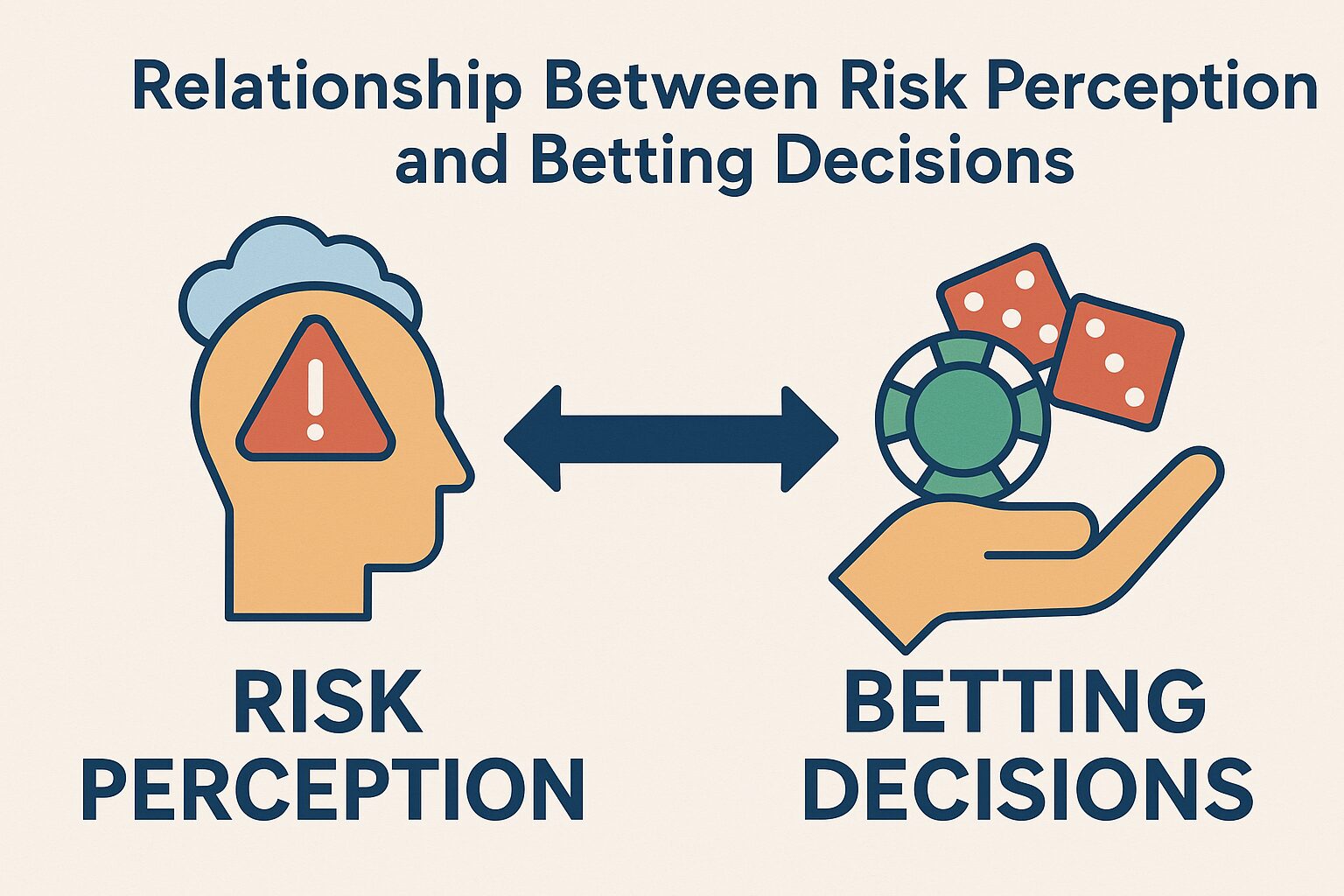
With every wager placed, a multitude of factors are weighed, both consciously and subconsciously, as part of the decision-making process. Central among these is an individual’s perception and tolerance of risk. How one interprets and responds to the risks involved in gambling can profoundly impact choices ranging from which games to play, how much to bet, when to walk away and more.
Risk perception refers to how an individual identifies, understands, and assigns meaning to uncertain outcomes and dangers. It encompasses both cognitive evaluations of probability and statistical likelihood as well as more subjective emotional interpretations driven by experience, biases and heuristics.
Risk perception is highly personal and depends heavily on psychological, social, institutional and cultural influences. Two individuals can perceive the exact same risk very differently based on their unique set of internal filters through which information passes. As a result, variation in risk perception amongst individuals and groups is often substantial.
Key Factors That Shape Individual Risk Perception
Many overlapping forces impact how one perceives the level of risk for a given activity or decision at 666casino. Some of the most notable with particular relevance to gambling include:
- Odds and probabilities – How statistically likely or unlikely an outcome is objectively known to be.
- Familiarity and personal experience – Past exposure and familiarity with an activity affects risk judgment.
- Perceived level of control and agency – More control is often associated with less perceived risk.
- Potential benefits and rewards – Higher rewards can offset higher perceived risk.
- Emotions and cognitive biases – Emotions and mental shortcuts that arise from them can skew evaluations.
Additionally, problem gamblers often exhibit patterns of denial, self-deception, irrational beliefs and unrealistic optimism that fundamentally distort their ability to judge risk accurately.
How Risk Perception Guides Gambling Choices
Risk perception affects nearly every facet of gambling behavior. Some of the key ways it manifests include:
Game and Bet Selection
- Games with greater complexity or perceived skill involvement (e.g. poker) may appear less risky.
- Higher odds bets generally seem riskier, though potential payouts compensate for some gamblers.
- Familiar games tend to feel less risky based on experience and comfort level.
Bet Sizing and Stakes
- Less risk tolerance corresponds to smaller bets and lower overall spending.
- Problem gamblers may engage in very risky chasing behavior after losses mount.
Quitting Decisions
- Risk perception drops as gamblers lose more, leading them to stay longer to recoup losses.
- Winning streaks may increase tolerance for further risks before quitting.
Emotions and Cognitive Distortions That Influence Risk Perception
Emotions and faulty thinking patterns are intimately tied to risk perception in gambling. Some key ways they impact one’s ability to judge risks accurately include:
- Overconfidence – Unrealistic faith in one’s ability to succeed and control outcomes.
- Illusion of control – Inflated belief that skill and effort affect chance-based games.
- Gambler’s fallacy – Mistaken belief that independent events affect future probabilities.
- Loss aversion – Strong desire to avoid regret and negative emotions from losing.
- Chasing losses – Escalating bets to recover from mounting losses.
- Euphoria and risk-taking during winning streaks – Emotional highs increase willingness to take risks.
In both skill-based and chance-based gambling, risk perception plays a central role driving core betting behaviors and decisions. It provides insight into why two gamblers facing objectively identical risks may judge them entirely differently based on their unique psychological lens. Emotions and cognitive distortions only further detach perceived risk from actual statistical risk for problem gamblers. Better understanding the thought patterns behind gambling choices paves the way for healthier practices and harm reduction.