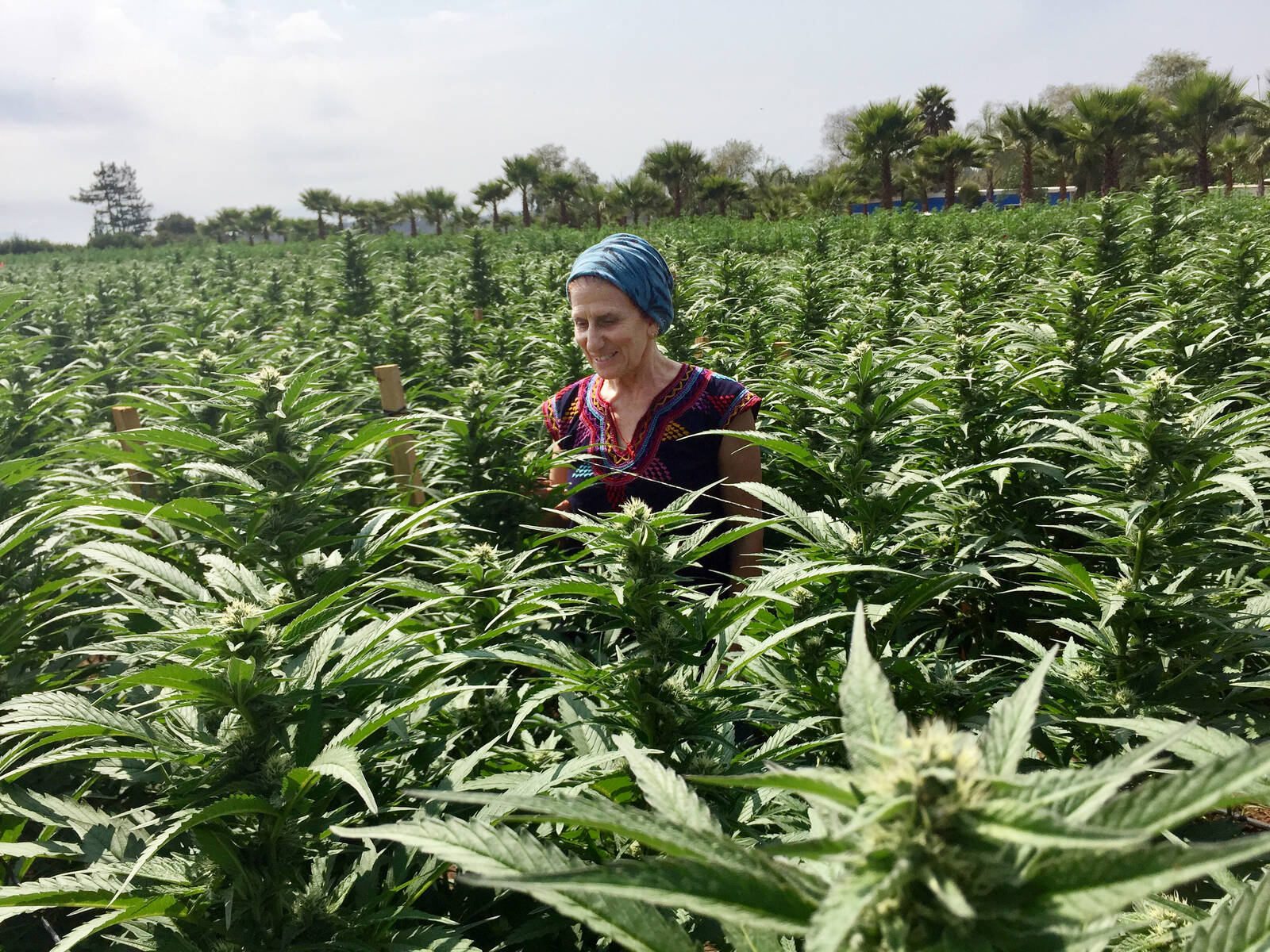
The dual crises of climate change and the global push for sustainable healthcare have sparked new discussions around medical cannabis. Traditionally known for its high environmental impact, cannabis cultivation is undergoing a transformation in the UK. By combining strict regulations with innovative farming practices, the UK is striving to create a model for low-impact medicine, setting a potential benchmark for other countries to follow.
Releaf medical cannabis clinic is spearheading this movement in the UK by offering treatments that align with environmental stewardship. By partnering with UK medical cannabis suppliers, they are actively working to reduce the industry’s carbon footprint while ensuring high-quality, sustainable options for patients.
Similarly, innovations in UK medical cannabis strains reflect the industry’s commitment to sustainability, paving the way for a greener future.
How does cannabis cultivation impact the environment?
Cannabis cultivation, particularly indoors, is notorious for its environmental footprint. Energy-intensive practices, such as artificial lighting, climate control, and ventilation systems, contribute significantly to carbon emissions. A study published in Nature Sustainability estimated that indoor cannabis farms in the United States emit an average of 2,283 kilograms of CO₂ per kilogram of dried flower produced, equivalent to driving over 5,000 miles in a gasoline-powered car.
Water usage is another major concern. Cannabis plants require up to six gallons of water per plant per day during peak growing periods. This heavy demand strains water supplies, particularly in areas already facing droughts. Additionally, traditional farming methods often rely on pesticides and fertilizers, which can leach into soil and waterways, further damaging ecosystems.
The high environmental costs of traditional cannabis farming have raised questions about its long-term viability. These challenges have driven the UK’s industry to adopt innovative, eco-friendly approaches.
How is the UK addressing sustainability in cannabis cultivation?
The UK has emerged as a leader in sustainable cannabis production, focusing on reducing the industry’s carbon footprint through innovative practices. One standout example is the development of carbon-negative facilities, such as those operated by Glass Pharms.
These state-of-the-art greenhouses use AI-controlled systems to optimize energy efficiency, cutting power consumption by up to 40% compared to traditional indoor farms. Additionally, these facilities rely on renewable energy sources, further reducing their environmental impact.
Domestic production has also played a key role in minimizing emissions. By cultivating medical cannabis locally, the UK reduces the carbon costs associated with importing products from overseas. This shift not only supports sustainability but also ensures consistent quality and supply for patients.
Furthermore, hemp cultivation has gained traction as a sustainable crop with multiple uses. Hemp absorbs large amounts of CO₂ during growth, making it a powerful tool for carbon capture. The UK’s recent changes to hemp licensing are encouraging farmers to grow this crop, which can be used in construction, textiles, and biofuels.
What role do regulations play in promoting low-impact cannabis production?
Regulations in the UK have been instrumental in driving sustainability in the cannabis industry. The Misuse of Drugs Regulations 2001, amended in 2018, set strict guidelines for medical cannabis production, ensuring both medical efficacy and environmental responsibility. Licensed producers must adhere to rigorous standards, covering everything from energy usage to waste management.
The government’s support for industrial hemp farming further underscores its commitment to sustainability. Hemp cultivation requires significantly fewer resources than traditional crops, such as wheat, while offering environmental benefits like soil regeneration and carbon capture. By creating a regulatory framework that prioritizes eco-friendly practices, the UK is fostering an industry that balances patient care with environmental stewardship.
Could the UK set a global standard for sustainable medical cannabis?
The UK’s approach to sustainable cannabis production has the potential to influence global practices. By prioritizing innovation and regulation, the UK is setting an example of how medical cannabis can be produced responsibly. Countries looking to establish or expand their cannabis industries could adopt similar measures, ensuring that growth in this sector does not come at the expense of the environment.
Collaboration is also key. The UK’s focus on research and partnerships with global organizations could lead to breakthroughs in sustainable cultivation methods. These advancements would benefit not only the UK but also countries with less stringent environmental standards, creating a ripple effect that promotes sustainability worldwide.
What challenges must be addressed for sustainable cannabis production?
Despite its progress, the UK’s cannabis industry faces challenges in fully integrating sustainability. Regulatory compliance can be costly for producers, particularly smaller operations that lack the resources to invest in advanced technology. Navigating complex licensing processes also requires significant time and expertise, potentially deterring new entrants from adopting sustainable practices.
Public perception remains another hurdle. While medical cannabis is gaining acceptance for its therapeutic benefits, its association with recreational use continues to carry stigma. Shifting public attitudes to recognize the environmental and medical benefits of cannabis will be essential for broader adoption of sustainable practices.
Expanding education and awareness about the industry’s efforts in sustainability could help overcome these barriers. Highlighting success stories, such as Glass Pharms’ carbon-negative facility, can demonstrate the feasibility of eco-friendly cannabis production and inspire further innovation.
Is sustainable cannabis the future of low-impact medicine?
The UK’s commitment to sustainable medical cannabis is a significant step toward reducing the environmental impact of healthcare. By embracing carbon-neutral farming, renewable energy, and efficient resource management, the industry is showing that eco-friendly practices can coexist with medical innovation.
Providers like the Releaf medical cannabis clinic and advancements in UK medical cannabis strains are at the forefront of this transformation. Their efforts are helping to create a model of low-impact medicine that could redefine how cannabis is produced and consumed globally.
As the industry continues to grow, the UK has the opportunity to lead the way in setting a global standard for sustainable cannabis production. With ongoing investment in research, innovation, and education, medical cannabis could become a cornerstone of environmentally responsible healthcare, benefiting both patients and the planet.
Apart from that if you want to know about “The Science Behind Immunity Testing ” then please visit our Health Category.