Introduction
MacBook Pro 2020 marked a turning point in Apple’s laptop history, launching three powerful models that blended innovation and user needs. The lineup included the 13-inch Intel model (May 2020), the revolutionary 13-inch Apple M1 model (November 2020), and the larger 16-inch Intel variant.
These models featured up to 64GB RAM, storage of up to 8TB, and battery life extending to 20 hours in the M1 version. Known for its Magic Keyboard, Retina Display, and powerful chip options, the laptop introduced Apple’s first in-house M1 processor, setting a new performance and energy efficiency standard.
The guide explores the full specifications, design features, battery performance, audio quality, and more, highlighting this generation’s legacy in Apple’s tech evolution.
| Feature | 13-inch Intel | 13-inch M1 | 16-inch Intel |
| Release Date | May 2020 | November 2020 | Sold through 2020 (2019 model) |
| Processor | 8th/10th-gen Intel i5/i7 | Apple M1 (8-core CPU & GPU) | 9th-gen Intel i7/i9 |
| RAM | 8GB, 16GB, 32GB LPDDR4X | 8GB or 16GB unified | 16GB to 64GB DDR4 |
| Storage | 256GB – 2TB SSD | 256GB – 2TB SSD | 512GB – 8TB SSD |
| Graphics | Intel Iris Plus | Integrated 8-core GPU | AMD Radeon Pro 5300M/5500M |
| Battery Life | Up to 10 hours | Up to 20 hours | Up to 11 hours |
| Weight | 3.1 lbs (1.4 kg) | 3.0 lbs (1.4 kg) | 4.3 lbs (2.0 kg) |
| Ports | 2 or 4 Thunderbolt 3 (USB-C) | 2 Thunderbolt / USB 4 | 4 Thunderbolt 3 (USB-C) |
| Display | 2560×1600 (13”) | 2560×1600 (13”) | 3072×1920 (16”) |
| Keyboard | Magic Keyboard | Magic Keyboard | Magic Keyboard |
| Starting Price (2020) | USD 1,299 | USD 1,299 | USD 2,399 |
| OS at Launch | macOS Catalina | macOS Big Sur | macOS Catalina |
Models Released in 2020
Three versions of the MacBook Pro 2020 were available:
- 13-inch Intel (May 2020): Featured 8th and 10th gen Intel processors.
- 13-inch Apple M1 (November 2020): Apple’s first in-house silicon.
- The 16-inch Intel (2019 model sold through 2020) is still popular due to its larger display and discrete GPU.
Each model catered to different users—Intel for legacy compatibility and M1 for future performance and battery gains.
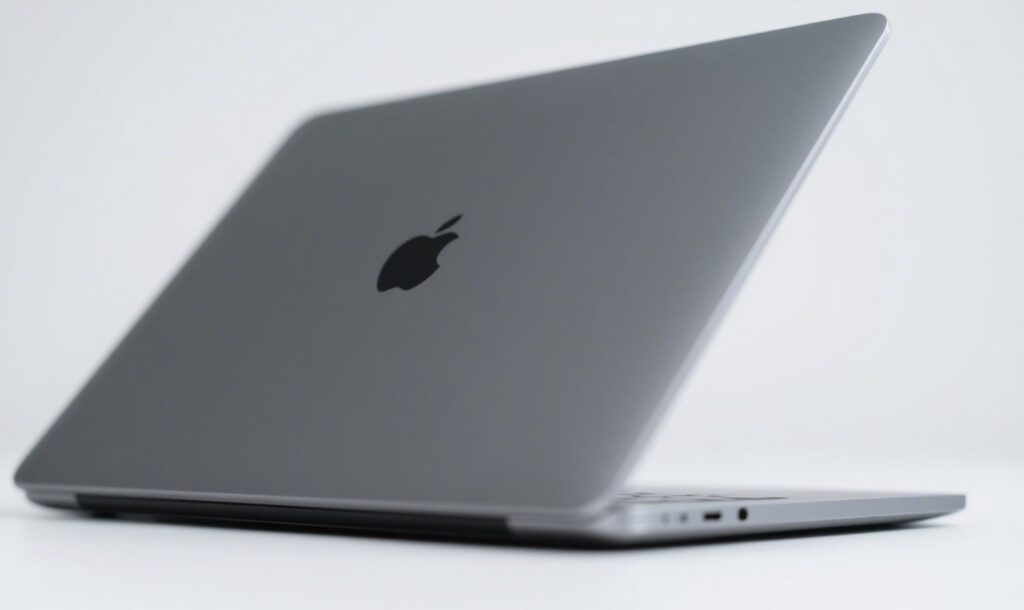
Technical Specifications of MacBook Pro 2020 (Model-wise)
13-inch Intel MacBook Pro (Early 2020)
- Processors: 8th-gen i5 (1.4GHz, Turbo Boost up to 3.9GHz) or 10th-gen i7 (2.3GHz, Turbo Boost up to 4.1GHz)
- RAM: 8GB, 16GB, or 32GB LPDDR4X
- Storage: 256GB to 2TB SSD
- Graphics: Intel Iris Plus
- Posts: 2 or 4 Thunderbolt 3 (USB-C)
- Battery Life: Up to 10 hours
- Weight: 3.1 pounds (1.4 kg)

13-inch Apple M1 MacBook Pro (Late 2020)
- Chip: Apple M1 (8-core CPU + 8-core GPU + 16-core Neural Engine)
- RAM: 8GB or 16GB unified memory
- Storage: 256GB to 2TB SSD
- Ports: 2 Thunderbolt / USB 4
- Battery Life: Up to 20 hours
- Weight: 3.0 pounds (1.4 kg)
16-inch Intel MacBook Pro (sold in 2020)
- Processors: 9th-gen Intel Core i7 (2.6GHz) or i9 (2.4GHz)
- RAM: 16GB to 64GB DDR4
- Storage: 512GB to 8TB SSD
- Graphics: AMD Radeon Pro 5300M/5500M
- Ports: 4 Thunderbolt 3 (USB-C)
- Battery Life: Up to 11 hours
- Weight: 4.3 pounds (2.0 kg)
Design and Build
All laptops featured Apple’s premium aluminum unibody design in Silver and Space Gray. The 13-inch model measured 11.97 x 8.36 x 0.61 inches, and the 16-inch model measured 14.09 x 9.68 x 0.64 inches. The build felt sturdy, with no creaking or flex. A key change was the Magic Keyboard, using a new scissor mechanism with 1mm travel for improved reliability and comfort, finally replacing the problematic butterfly keyboard.
Display and Visual Quality
The 2020 MacBook Pro’s Retina displays were vibrant and sharp. The 13-inch resolution was 2560 x 1600 pixels (227 PPI), and the 16-inch featured 3072 x 1920 pixels (226 PPI). Both supported P3 wide color gamut and True Tone technology, which adjusted white balance based on ambient lighting. Brightness reached 500 nits, making it easy to use even in daylight. The displays were perfect for creative professionals, video editors, and photographers.

Keyboard and Trackpad
Apple reintroduced the Magic Keyboard in all 2020 MacBook Pro models, using a reliable scissor-switch mechanism with backlit keys and a physical Escape key. The keyboard was quieter and more comfortable to type on than its butterfly predecessor. All versions featured the Touch Bar, a narrow OLED strip replacing function keys, and Touch ID for secure login. The Force Touch trackpad was large (6.1 inches on 13”, 6.3 inches on 16”) and responsive, with haptic feedback.
Performance and Benchmarking
The Apple M1 chip changed the game for laptop performance. In Geekbench 5, the M1 scored 1720 (single-core) and 7500 (multi-core)—outperforming Intel i7 MacBook Pros. Real-world performance was equally impressive: 4K video editing, Logic audio production, and app compilation were faster, and the system ran cooler with no fan noise. The Intel models remained capable but often ran hot and drained the battery faster under load, especially the 10th-gen quad-core versions.
Battery Life and Charging
One of the most significant benefits of the MacBook Pro 2020 M1 was its up to 20-hour battery life (17 hours of web browsing, 20 hours of video playback). The Intel 13-inch model offered around 10 hours, and the 16-inch model offered up to 11 hours. Charging was done via USB-C—61W adapter for the 13-inch and 96W for the 16-inch. Thanks to the M1 chip’s power efficiency, users could work an entire day unplugged.
Audio and Microphone Quality
The MacBook Pro 16-inch had a six-speaker sound system with force-canceling woofers, producing loud, clear, and bass-rich audio, one of the best in a laptop. The 13-inch models, including the M1, had stereo speakers with a wide dynamic range. All models featured a studio-quality three-mic array with directional beamforming. Whether on a Zoom call or recording a podcast, audio clarity was exceptional. Many users found they didn’t need external mics or speakers.
Ports and Connectivity
Port variety was limited across the laptop lineup:
- 13-inch M1: Only 2 Thunderbolt / USB 4 ports
- 13-inch Intel (higher-end): 4 Thunderbolt 3 ports
- 16-inch: 4 Thunderbolt 3 ports
All models had a 3.5mm headphone jack but lacked HDMI, SD card slot, or USB-A ports, requiring adapters for many accessories. Wireless features included Wi-Fi 6 (802.11ax) and Bluetooth 5.0, offering faster speeds and better connectivity.
Software and macOS Integration
The M1 version of the MacBook Pro 2020 shipped with macOS Big Sur, optimized for Apple Silicon. It introduced a new design, a Control Center, and enhanced battery and privacy features. The M1 could run iPhone and iPad apps natively, and Rosetta 2 ensured compatibility with older Intel apps. Intel models came with macOS Catalina but supported Big Sur and Monterey upgrades. macOS updates continued to support the 2020 lineup in 2024.
Upgradability and Repairability
The laptop models were not user-upgradable. RAM and SSDs were soldered onto the motherboard. The only upgradable part was external storage via Thunderbolt. AppleCare+ was recommended due to limited repairability. According to iFixit, the 13-inch and 16-inch models scored 1–2 out of 10 in repairability. The compact design and use of glue and proprietary screws made internal repairs challenging for the average user.

Comparison with Previous Models
Compared to the 2019 and earlier MacBook Pros, the MacBook Pro offered a better typing experience, longer battery life, and faster performance, especially the M1 model. The Intel models fixed keyboard issues and added speedier memory and storage, but retained older problems like thermal throttling. The M1 model brought 2x CPU performance and 5x graphics over previous Intel versions, showing how far Apple had come with its silicon.
Pricing and Availability
At launch:
13-inch Intel: Starting at USD 1,299
13-inch M1: Starting at USD 1,299
16-inch Intel: Starting at USD 2,399
Apple offered education pricing with up to $100 discounts. Refurbished M1 units later appeared for around $1,000–$1,100, offering excellent value. As of 2024, the M1 model remains popular in the used market due to its strong performance and support for the latest macOS updates.
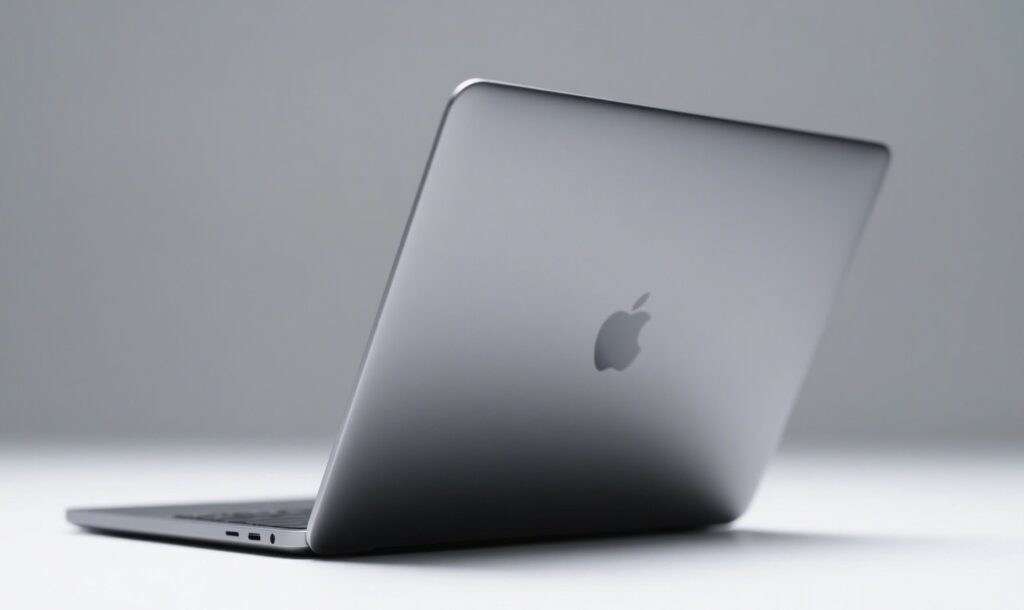
Conclusion
The MacBook Pro 2020 is a milestone in Apple’s journey, combining powerful performance, sleek design, and long battery life. The introduction of the M1 chip delivered faster speeds and greater efficiency than previous Intel models. Whether for students, professionals, or creatives, the MacBook Pro 2020 remains a wise, reliable choice even years later, offering premium features, a durable build, and continued macOS support at a substantial value.
FAQs
The lineup included the 13-inch Intel, 13-inch Apple M1, and 16-inch Intel models, each catering to different needs.
The M1 model offers better speed, battery life, and cooler performance, while Intel models are compatible with legacy software.
The 13-inch Intel model supports up to 32GB RAM and 2TB SSD, while the M1 model has up to 16GB RAM and 2TB SSD.