Behind every successful app is a thoughtful keyword strategy — not a random pile of search terms, but a system that evolves with your product. In 2025, visibility still reigns. Even the most elegant UI and innovative features won’t matter if users can’t find your app.
It All Starts with the Right Words
Every effective keyword strategy begins with one simple question: What do users actually type when they want an app like yours?
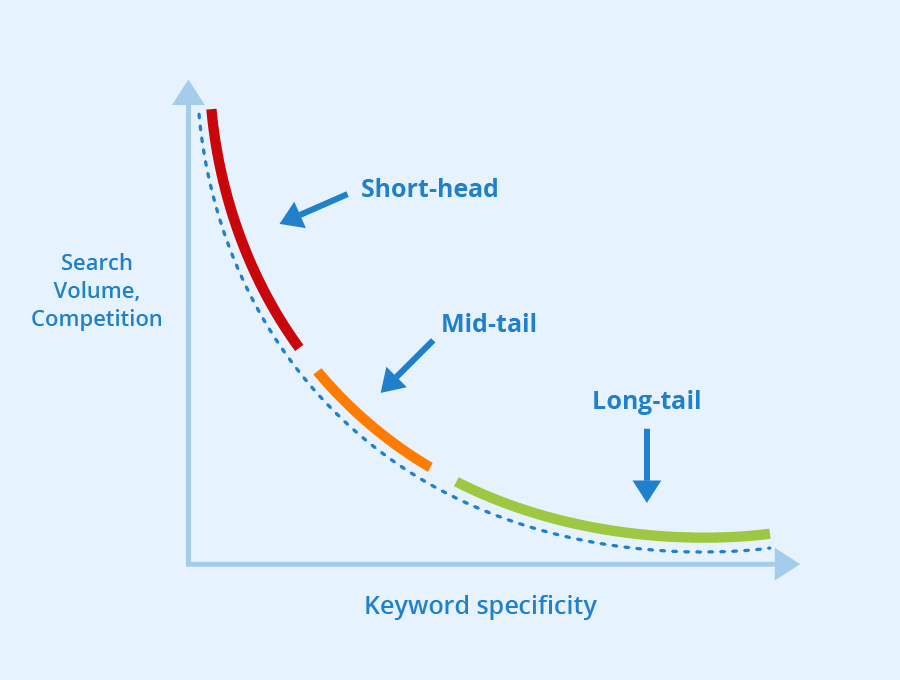
Some users know exactly what they’re looking for — “guided meditation for sleep” or “home workout for beginners.” These high-intent searches bring downloads, not just impressions.
Others are broader, like “fitness,” “budget,” or “health.” These high-volume terms drive visibility but rarely convert. Surprisingly, even misspellings like “medatation” or “fitnes” can drive results — especially for apps with strong store presence.
Your Strategy Needs a Mix
- Precise keywords to attract installs
- Related terms to expand discoverability
- Broad queries to build top-of-funnel awareness
- Competitor names (strategically used) to intercept interest
A well-rounded strategy balances reach, relevance, and conversion.
Keywords Change as You Grow
When you’re just starting out, avoid overcrowded categories. Instead, focus on long-tail keywords that speak directly to user intent — phrases like “sleep tracker for shift workers” or “budget planner with alerts.”
As your app gains users, your strategy should evolve. Use clustering techniques to group related queries — for example, “meal planner,” “posture correction,” and “home workouts.” These clusters reveal new paths to acquisition and content opportunities.
Don’t overlook autocomplete suggestions in the app stores — they offer real-time insight into what users are actively searching.
Localization Is More Than Translation
Localization isn’t just about converting your app into another language — it’s about making it native to every region. That includes adapting your keywords, visuals, and descriptions to reflect local culture and search behavior.
In the App Store, leverage cross-localization: even if your app is in English, you can fill metadata fields in multiple languages to boost discovery across regions.
In Google Play, focus on the language of the user, not just the region. That means accuracy matters more than coverage.
Avoid machine translations. Never mix languages in one field — it dilutes keyword strength and confuses users.
Growth Has Seasons
Your ASO strategy should shift with the seasons. Think “back to school planners,” “summer workouts,” “holiday gift trackers.” Integrate seasonal keywords 2–3 weeks ahead of key events to ride the search wave early.
Measure, Test, Evolve
Picking keywords is just the beginning. The real value comes from continuous optimization:
- Track performance
- Test new combinations
- Refine based on results
At ASOMobile, we provide a complete ecosystem to support this. From discovering low-competition long-tail keywords to monitoring rankings and optimizing density, we give you the tools to scale smarter.
Keyword Strategy: The Core of App Growth
A smart keyword strategy fuels visibility, discovery, and sustainable installs. It’s not about chasing the most searched terms — it’s about matching real intent, adapting to trends, and optimizing across languages and seasons.
Combine precision, breadth, and data. Iterate continuously. Keyword planning isn’t just a tactic — it’s your roadmap to scalable growth.
Frequently Asked Questions About App Keyword Strategy
How many keywords should an app target? Rather than a fixed number, aim for coverage across three tiers: a small set of high-intent phrases you genuinely expect to rank for, a wider band of related terms, and a handful of broad category words for awareness. For a new app that usually means a few dozen tracked terms, not hundreds — a list you cannot review monthly is a list you will stop using.
How often should you update your keyword set? Review monthly and make substantive changes quarterly, or sooner if you ship a feature that changes what the app is for. Store algorithms need time to settle after metadata edits, so changing everything every fortnight leaves you unable to tell what worked.
Do competitor names actually work as keywords? They can intercept genuine interest, but the rules differ by store and by trademark, and an app that leans on rival brand names tends to attract poorly matched installs that churn quickly. Treat them as a small, carefully chosen slice of the strategy rather than a shortcut.