John Simpson’s wife is Dee Kruger (Adele Krüger), a South African television producer whom the veteran BBC journalist met through his work in South Africa. The couple have one son, Rafe, born in 2006. Simpson, the BBC’s long-serving World Affairs Editor, was born on 9 August 1944 and turned 82 in 2026; his net worth is commonly estimated at around $5 million (roughly £4 million).
Below is a full profile of the broadcaster: his background, education, career highlights, books, honours, family life with his wife and the figures most often reported about him. Where details such as net worth come from third-party estimates rather than official sources, they are labelled as such.
John Simpson at a Glance
| Attribute | Details |
|---|---|
| Full name | John Cody Fidler-Simpson |
| Known as | John Simpson |
| Date of birth | 9 August 1944 |
| Birthplace | Cleveleys, Lancashire, England |
| Age | 82 (as of 2026) |
| Profession | Journalist, author, broadcaster |
| Employer | BBC (joined 1966) |
| Best-known role | BBC World Affairs Editor |
| Honours | CBE (1991) and numerous broadcasting awards |
| Wife | Dee Kruger, South African television producer |
| Children | Son Rafe (born 2006); also reported to have two daughters from his first marriage |
| Estimated net worth | Around $5 million (unconfirmed estimate) |
Who Is John Simpson’s Wife?
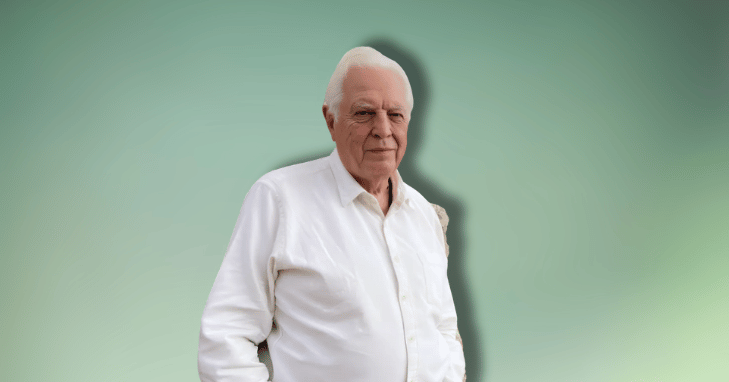
Simpson is married to Dee Kruger, a South African television producer with a background in news and documentary work. Their paths crossed during his assignments in South Africa, and they began as professional collaborators on broadcast projects before their relationship developed. Their shared understanding of the demands of foreign reporting, with long absences, sudden deployments and dangerous locations, is often described as one of the foundations of the marriage.
Kruger has frequently worked alongside her husband as a producer, and she has travelled with him on assignments. Rather than seeking the spotlight herself, she has largely stayed behind the camera, which is one reason relatively little is publicly known about her personal life. Simpson has spoken warmly about her in interviews and in his writing, describing her as a steadying presence in an unpredictable career.
Their Son, Rafe
The couple’s son, Rafe, was born in 2006, when Simpson was 61. He has talked openly about becoming a father again later in life and about how it changed his outlook, giving him a fresh sense of purpose and a different perspective on the risks of his work. Simpson is also reported to have two daughters from his earlier marriage, which ended before he married Kruger.
Relationship Status Today
There is no public indication that the marriage has changed, and Simpson and Kruger are understood to remain together. Like many long-standing broadcasting couples, they have kept their family life largely private, which is worth bearing in mind when you come across speculative claims online.
How a Working Partnership Became a Marriage
Foreign correspondence is famously hard on relationships. Assignments can be cancelled or extended at a moment’s notice, communication from conflict zones is patchy, and the risks are real. Simpson has suggested that being married to someone who understands this world first-hand, because she works in it, makes a significant difference. Kruger’s producing experience meant she knew the logistics, the pressures and the editorial decisions behind each report, rather than seeing only the finished piece on the evening news.
That shared professional life has a practical side too. Kruger has accompanied Simpson on assignments, so the usual gap between a reporter in the field and a family waiting at home is narrower for them than for many couples. It is one of the less visible sides of the BBC’s foreign coverage: behind many familiar correspondents are producers, camera operators and fixers, and in Simpson’s case one of them is his wife.
Early Life and Background
John Cody Fidler-Simpson was born in Cleveleys, Lancashire, but spent much of his childhood in the south of England, including London. By his own accounts his upbringing was unsettled: his parents separated, and home life could be difficult. Simpson has suggested that this instability gave him an early awareness of human behaviour and conflict, and an appetite for understanding how people cope under pressure, both of which later shaped his journalism.
Education
Simpson was educated at St Paul’s School in London before reading English at Magdalene College, Cambridge. Some online profiles mention Dulwich College instead, but published biographies most commonly cite St Paul’s. At Cambridge he was involved in student journalism, an early sign of the career to come, and his love of literature and clear storytelling has been evident in his writing ever since.
Career Highlights
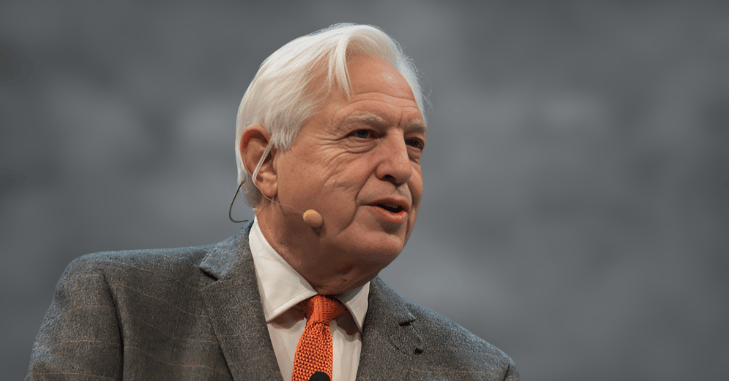
Simpson joined the BBC in 1966 as a trainee sub-editor in radio news and quickly moved into reporting. Over the following decades he became one of the corporation’s most recognisable correspondents, reporting from well over 100 countries, often from conflict zones and politically unstable regions. He briefly served as the BBC’s political editor before taking on the foreign-affairs role he is best known for, World Affairs Editor.
His coverage spans many of the defining events of the late 20th and early 21st centuries:
- The Iranian revolution and the return of Ayatollah Khomeini in 1979.
- The Tiananmen Square protests and crackdown in Beijing in 1989.
- The fall of the Berlin Wall and the revolutions across Eastern Europe in 1989.
- The Gulf War of 1991, reporting from Baghdad.
- The fall of the Taliban in Kabul in 2001, having earlier entered Afghanistan in disguise to report.
- The 2003 Iraq War, during which he was injured in a “friendly fire” incident in northern Iraq that killed members of his team.
Alongside these events, he has interviewed many world leaders and political figures. What sets Simpson apart is his combination of calm authority on air with a willingness to be physically present where history is happening. His ability to explain complicated geopolitics in plain language has made him one of the most trusted voices in British broadcasting.
Career Timeline
| Year | Milestone |
|---|---|
| 1966 | Joins the BBC as a trainee sub-editor in radio news |
| 1980s | Serves briefly as BBC political editor, then moves to foreign affairs |
| 1988 | Becomes the BBC’s foreign affairs (later World Affairs) editor |
| 1989 | Reports on Tiananmen Square and the revolutions in Eastern Europe |
| 1991 | Covers the Gulf War from Baghdad; appointed CBE |
| 1998 | Publishes his memoir Strange Places, Questionable People |
| 2001 | Reports on the fall of the Taliban in Kabul |
| 2003 | Injured in a friendly fire incident in northern Iraq |
| 2006 | Son Rafe is born |
Reporting Style and Legacy
Simpson’s reports tend to put the viewer on the ground: they describe what he can see and hear, then step back to explain why it matters. Younger journalists often cite him as a model of composure under pressure, and he has been outspoken about the importance of accuracy, independence and the safety of local staff who work with foreign correspondents.
Notable Books
Simpson is also a prolific author whose books blend memoir, political analysis and first-hand reporting. Some of the best known include:
| Title | Year | What it covers |
|---|---|---|
| Strange Places, Questionable People | 1998 | Memoir of his life as a foreign correspondent, full of war-zone anecdotes and encounters with dictators |
| Days from a Different World | 2005 | A memoir of his childhood and the post-war Britain he grew up in |
| Unreliable Sources | 2010 | A history of how British newspapers reported major events of the 20th century |
Other titles include A Mad World, My Masters (2000), a collection of stories from his travels; News from No Man’s Land (2002), on reporting the world in an era of conflict; and We Chose to Speak of War and Strife (2016), a history of war reporting and the correspondents who did it. Together they form a detailed record of how foreign news has been gathered over the past half-century, and they are a good starting point for anyone considering a career in journalism.
His writing is clear and personal, and many readers find that his books add depth to reports they remember seeing on the news.
Awards and Honours
- Appointed CBE (Commander of the Order of the British Empire) in 1991 for services to broadcasting.
- Multiple BAFTA and Royal Television Society awards for his reporting over several decades.
- Reported recognition from international television awards bodies, including Emmy recognition for news coverage.
- Honorary doctorates from several universities, and frequent invitations to speak at academic and political forums.
Age, Appearance and Health
Born in August 1944, Simpson is 82 in 2026. He is commonly described as tall, with white hair and glasses, and with a measured, unhurried on-screen manner. Figures for his height and weight that circulate online vary widely and are not confirmed, so treat them with caution. He has spoken publicly about remaining active through travel and work well beyond the age when most people retire.
John Simpson’s Net Worth
Simpson’s net worth is widely estimated at around $5 million, roughly £4 million. This would reflect decades of BBC salary, royalties from his books, public speaking and other media work. However, there is no official figure, and such estimates are approximate. He is generally seen as someone motivated more by the work than by wealth.
What Readers Can Learn From His Career
- Be present: Simpson’s best-known reports came from being on the ground rather than relying on second-hand accounts.
- Explain, do not just describe: his reports pair what he sees with context about why it matters.
- Credit the team: he has repeatedly highlighted the role of producers, translators and local staff.
- Stay curious: he continued reporting long past typical retirement age because the work still interested him.
More About John Simpson
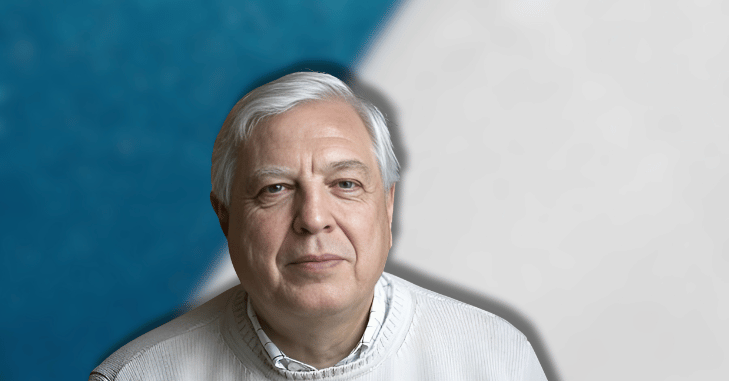
- He regularly appears as a guest lecturer at universities and think tanks.
- He contributes to radio programmes, podcasts and written commentary on world events.
- He is an advocate for ethical journalism and the protection of reporters and local fixers in dangerous places.
- He has continued to report on major international stories well into his seventies and eighties.
Final Thoughts on John Simpson and His Wife
John Simpson’s story is one of resilience, curiosity and courage, from an unsettled childhood to the front line of world events for more than half a century. His marriage to Dee Kruger, a fellow television professional, and the birth of their son Rafe brought a grounding family life to a career spent in the world’s most turbulent places. If you are researching him, rely on his own books and BBC biographies for the most accurate details.
For more profiles of well-known British figures, read about Emma Chambers’ cause of death or browse our Entertainment category.
FAQs
Who is John Simpson’s wife?
John Simpson is married to Dee Kruger (Adele Krüger), a South African television producer. They met through his work in South Africa and have often worked together on assignments.
Does John Simpson have children?
Yes. He and Dee Kruger have a son, Rafe, born in 2006. Simpson is also reported to have two daughters from his first marriage.
How old is John Simpson?
John Simpson was born on 9 August 1944 in Cleveleys, Lancashire, which makes him 82 in 2026.
What is John Simpson famous for?
He is best known as the BBC’s World Affairs Editor and for decades of foreign reporting, including Tiananmen Square, the fall of the Berlin Wall, the Gulf War and the fall of the Taliban in Kabul in 2001.
What is John Simpson’s net worth?
His net worth is commonly estimated at around $5 million, roughly £4 million, from his BBC career, books and speaking work. There is no official figure, so treat this as an approximation.
Where did John Simpson study?
He read English at Magdalene College, Cambridge, after attending school in London. His interest in journalism began during his student years.