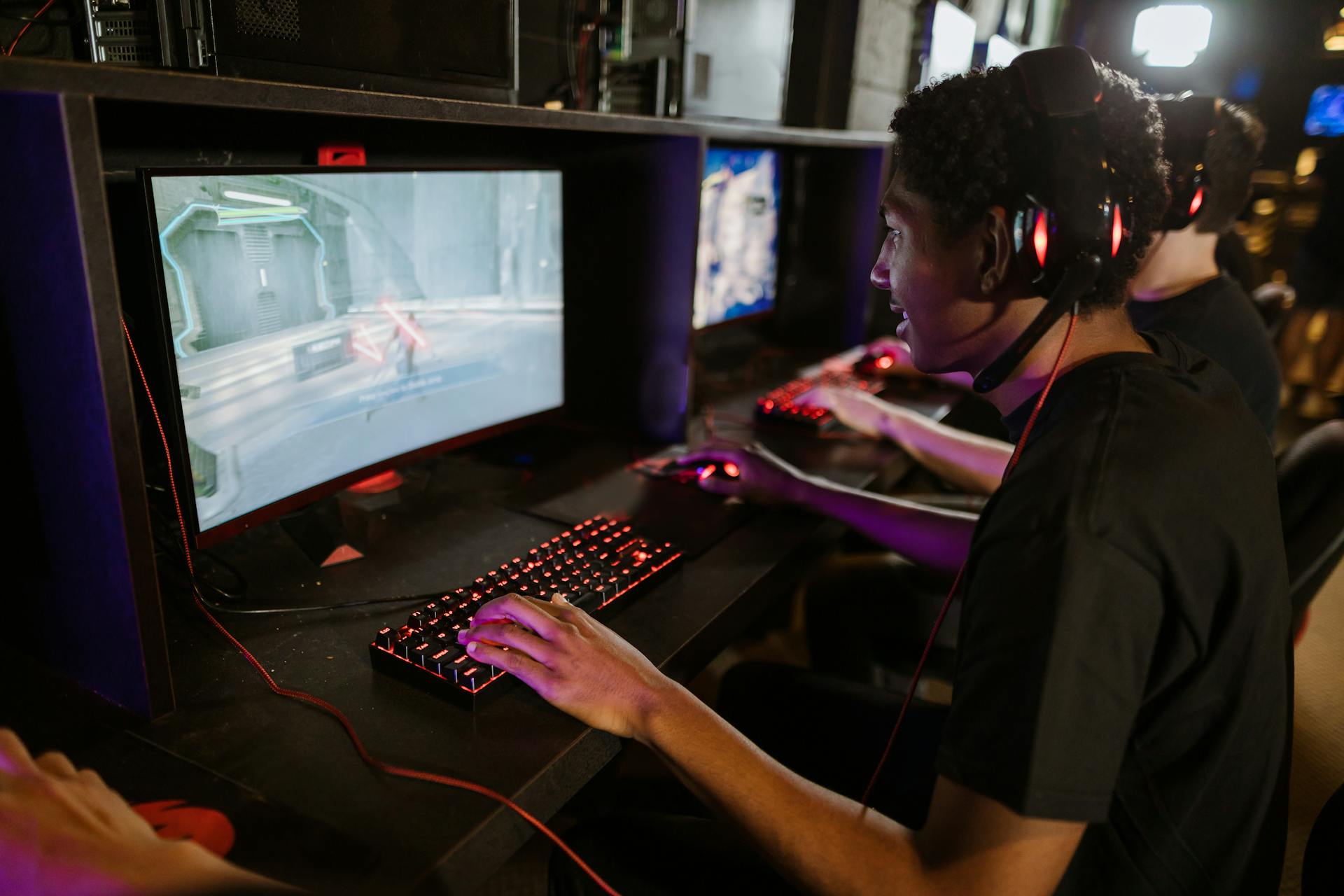
In the past, a typical weeknight in Britain might have meant settling down on the sofa with a cuppa, switching on the telly, and letting the day’s stresses melt away to the sound of EastEnders or a Netflix boxset. But over the last few years, the concept of “unwinding” has undergone a dramatic transformation. Instead of passively consuming content, many people are now actively participating in online experiences – particularly in the form of competitive digital tournaments. From local pub quizzes gone virtual to high-stakes Call of Duty pro events, digital competitions are no longer a fringe activity but a core part of contemporary leisure culture.
From quiz nights streamed on Zoom to eSports matches played in real time, online tournaments have become one of the most engaging and accessible forms of entertainment after dark. They’re interactive, social, and increasingly part of the new routine for those looking to add a bit of excitement to their evening wind-down.
This article takes a closer look at how online competitions are redefining how Britons spend their weekday evenings at home. What draws people to these events? What role do platforms – including regulated environments like GGBET – play in making them safe and accessible? And ultimately, are we witnessing the rise of a new cultural habit?
The Appeal of Online Tournaments After Work
As the traditional after-work routine continues to evolve, online tournaments have emerged as a compelling way to unwind while staying mentally and socially engaged. They blend entertainment with competition, allowing users to break from passive consumption and step into immersive, dynamic digital experiences – all from the comfort of home.
Social interactivity is a primary draw. Unlike solitary activities like watching television or scrolling through feeds, online tournaments invite participation. Players can compete against friends, family, or complete strangers from across the country or the world. Whether it’s joining a live-streamed trivia game or facing opponents in real-time video matches, the sense of shared experience brings a community vibe back to weekday evenings – once reserved for pub nights or board game gatherings.
The diversity of platforms and formats means there’s something for everyone. For casual players, platforms like Kahoot or Jackbox provide laid-back quiz environments, while gaming enthusiasts might gravitate toward e-sports leagues or seasonal events in games like FIFA or Fortnite. Fantasy football leagues draw in sports fans who enjoy analytics and friendly rivalry, while digital poker nights offer strategy-based play in a relaxed setting. This variety makes online tournaments an inclusive form of entertainment, cutting across age and interest groups.
Accessibility is key to their popularity. There’s no need for travel, no dress code, and no complex logistics. With just a stable internet connection and a device – be it a laptop, tablet, or even a phone – anyone can take part. This ease of entry is especially valuable on weeknights when energy levels may be low but the desire for connection or stimulation remains high.
What sets online tournaments apart is their ability to offer mental engagement and adrenaline, unlike passive activities such as watching TV. The competitive element requires quick thinking, strategy, and attention – providing a sense of accomplishment or excitement that can be missing from traditional relaxation. It’s a productive form of leisure that leaves participants feeling energised rather than drained.
Top 5 types of online tournaments popular in the UK for weeknight play:
- Virtual quiz nights – Hosted via platforms like Zoom or Discord, often with friends or local pub-hosted communities.
- FIFA tournaments – Quick matches and online leagues on PlayStation or Xbox attract a wide demographic.
- Online chess blitzes – Fast-paced games on platforms like Chess.com offer brainy fun and tactical depth.
- Fantasy football showdowns – Ongoing weekly leagues where players compete based on real match outcomes.
- Digital poker nights – Legal and recreational poker matches that combine skill, chance, and social interaction.
Technology Meets Tradition: From Pub Quizzes to Global Play
The rise of online tournaments isn’t simply a product of modern tech culture—it’s a digital evolution of time-honoured British traditions. Beloved social rituals like pub quizzes, card nights, and fantasy football leagues are being seamlessly adapted to the virtual space, making them more accessible, inclusive, and even more competitive.
Classic social pastimes are being reimagined online with surprising fidelity. Virtual pub quizzes now recreate the wit and banter of the local on platforms like Zoom, often hosted live by pubs themselves or community groups. Card games like bridge or poker have found new life in digital lobbies that allow for real-time interaction. Even traditional board games and trivia formats are getting tech-savvy makeovers, complete with leaderboards, avatars, and celebratory animations.
At the heart of this shift is the role of live-streaming and real-time communication platforms. Twitch, traditionally reserved for e-sports, now streams live quizzes and casual competitions. Discord serves as a central hub for private games, where participants can chat, react and build rapport just like around a table. Zoom and Google Meet have turned homes into digital lounges, with hosts sharing screens, setting timers, and even playing music to simulate the familiar environment of in-person gatherings.
Crucially, this movement is supported by the rise of legal and regulated platforms that ensure fairness, safety, and responsible participation. Services like GGBET represent the modern, responsible face of online competition – combining the excitement of real-time play with user protections such as spending limits, identity verification, and support for safer digital engagement. These platforms respect the line between leisure and risk, providing a secure way to enjoy competitive formats without crossing into problematic behaviour.
In this way, technology doesn’t replace tradition—it revitalises it. What once required a physical gathering now only needs a shared URL and a willingness to play.
What This Means for the Future of Domestic Entertainment
The growing popularity of online tournaments signals a profound shift in how we define at-home entertainment. Where once the household evening revolved around watching, now it increasingly centres around participating. This shift from passive spectatorship to active engagement reflects wider cultural changes in how we consume media and connect socially.
As more Britons opt to take part rather than tune in, the lines between gaming, gambling, and socialising continue to blur. A quiz night hosted on Discord may include elements of competitive play, wagering for fun or prizes, and the type of friendly banter one might expect in a pub. Even platforms originally built for gaming or streaming now support casual betting, group competitions, and hybrid events that mix entertainment with community dynamics.
There are tangible benefits to this new model. Social isolation – particularly post-pandemic – has made virtual interaction a lifeline, and online tournaments provide a structured, fun reason to gather regularly. They also stimulate the brain: trivia, strategy games, and real-time decisions offer meaningful cognitive exercise. Most importantly, they’re adaptable – fitting into people’s varied schedules and interests far better than fixed TV programming.
However, these innovations are not without their risks. With increased accessibility comes increased exposure to potential financial or behavioural pitfalls. That’s why engaging responsibly is essential. Platforms like GGBET, which offer built-in tools such as time limits, spending caps, and user verification, demonstrate how regulation and technology can work together to encourage healthy digital habits.
In essence, online tournaments point toward a more interactive, mentally stimulating, and socially rich version of home entertainment. But as with any evolution, success depends on thoughtful participation and informed choices.
Conclusion
What once began as a niche hobby for gamers has now become a widespread cultural shift: online tournaments are no longer just games — they’re how we connect, compete, and unwind. From trivia nights to e-sports, from chess blitzes to fantasy football leagues, the digital arena has transformed weeknight routines across the UK. Instead of zoning out in front of the television, more people are logging in, engaging their minds, and sharing experiences in real time.
This shift reflects broader changes in technology use, media consumption, and even social values. Convenience, flexibility, interactivity, and a desire for meaningfully spent leisure time are driving forces behind this transformation. Platforms like GGBET, with their emphasis on regulated, responsible digital engagement, show how the industry is evolving to meet both the entertainment needs and safety expectations of modern users.
But while the trend is clear, the full implications are still unfolding. Are we witnessing the next evolution of the “weeknight in”? Will active participation continue to replace passive habits as the new norm in home entertainment? Only time will tell—but for now, it seems that the future of our evenings is looking more interactive, more social, and more exciting than ever.