The NHS is one of the most valued institutions in the United Kingdom. It is a symbol of public care and commitment, relied upon by millions every year. Yet today, it faces unprecedented challenges. Headlines frequently highlight record waiting lists, severe staff shortages, and hospitals operating beyond capacity. Behind these headlines are real people: millions of patients waiting for treatment, thousands of healthcare professionals working tirelessly, and an infrastructure that is struggling to keep up with demand.
While no single solution can solve all of the NHS’s challenges, modular buildings provide a practical and increasingly popular approach. From additional wards to specialised diagnostic hubs, these versatile and quickly deployable spaces are helping hospitals respond faster to patient demand. Modular healthcare facilities are becoming a vital part of the sector’s strategy to maintain high standards of care under pressure.
The Pressures Facing Healthcare
The UK healthcare system is under growing strain. Rising patient numbers, combined with tighter budgets and workforce challenges, create a situation where hospitals must do more with less. The statistics paint a stark picture of the current pressures.
According to NHS England, as of early 2025, there were around 7.4 million patient pathways waiting for treatment across England. In accident and emergency departments, one in four patients waited more than four hours to be admitted in March 2025. More concerningly, over 46,000 patients faced waits of twelve hours or longer before receiving a hospital bed.
Another challenge lies with patient discharge. Approximately one in seven hospital beds in England is occupied by someone who is medically fit to leave but cannot be discharged due to delays in social care. This creates a bottleneck, preventing new patients from accessing the treatment they need.
For patients, these delays mean uncertainty, prolonged discomfort, and anxiety. For staff, it translates to constant pressure, stretched resources, and the need to maintain high-quality care in increasingly constrained conditions. For the NHS as a whole, it highlights the urgent need for solutions that can add capacity quickly, without disrupting existing services or inflating costs unnecessarily.
Why Modular Buildings Make Sense for Healthcare
Modular healthcare buildings offer a cost-effective, fast, and flexible solution. By providing additional space where it is needed most, they help hospitals alleviate pressure and improve patient care. Unlike traditional construction, which can take many months or even years to complete, modular buildings are manufactured off-site and assembled rapidly on hospital grounds. This method brings several distinct advantages.
- Speed is a major benefit. Projects that would traditionally take two years or more can often be completed in a matter of months. In some cases, fully equipped modular facilities have been delivered in as little as twenty weeks. This rapid deployment is invaluable in times of urgent need.
- Cost-effectiveness is another key advantage. Off-site manufacturing allows for controlled conditions, reduced material waste, and minimal disruption on site, all of which lower overall costs compared to conventional building methods.
- Flexibility is central to modular design. These buildings can be tailored to a wide range of clinical needs, from outpatient departments to operating theatres, recovery wards, and specialist diagnostic units. They can also be relocated, expanded, or repurposed as requirements change, making them a long-term asset rather than a temporary stopgap.
- Compliance with strict NHS standards is guaranteed. Each modular building is designed and constructed to meet rigorous safety, accessibility, and quality regulations, ensuring patients and staff are protected at all times.
These benefits make modular healthcare buildings a natural choice for NHS Trusts looking to respond quickly and effectively to growing demands while maintaining high standards of care.
From Waiting Lists to Wards: Making a Real Difference
One of the most tangible benefits of modular construction is its impact on patient waiting times. When hospitals face shortages of operating theatres, treatment rooms, or beds, delays for patients are inevitable. Modular healthcare buildings offer a rapid solution to increase capacity and provide high-quality care without the delays associated with traditional construction.
Several hospitals in the UK have recently introduced entire modular facilities, adding hundreds of beds almost overnight. Others have installed modular diagnostic hubs, providing patients with faster access to scans, tests, and treatment pathways that might otherwise have taken months. In many instances, these facilities are designed, manufactured, and installed in just a few weeks.
These examples illustrate that modular buildings are not merely temporary solutions. They provide permanent, high-quality healthcare spaces capable of adapting to evolving clinical needs. They help hospitals address immediate capacity issues while supporting long-term operational planning.
Supporting A&E Departments
Accident and emergency departments are often described as the front door of the NHS. They experience intense pressure as they manage high patient numbers and urgent cases. Overcrowding in A&E has become a familiar and worrying sight, with patients waiting on trolleys for hours and ambulances queuing outside, while staff are stretched to their limits.
Modular buildings can help relieve this pressure. Additional bed bays, ambulance receiving centres, or discharge lounges created through modular construction can improve patient flow and reduce congestion. More space means patients can be assessed and treated more quickly, and staff can operate more effectively and safely. Modular solutions provide tangible support in the areas that need it most, making an immediate difference in day-to-day hospital operations.
Facilitating Discharge and Community Care
Delayed discharge remains a significant challenge. Thousands of patients occupy acute beds while waiting for social care arrangements, medications, or transport. This not only limits hospital capacity but also disrupts the flow of care for new patients.
Modular healthcare buildings provide a practical and patient-friendly solution through purpose-built discharge lounges. These spaces offer a safe, comfortable environment where patients can wait for follow-up care or transport arrangements. By freeing up acute beds more efficiently, modular lounges reduce pressure on wards, improve patient flow, and contribute to better overall care delivery.
Adapting to Future Healthcare Needs
The demand for healthcare is constantly evolving. Seasonal illnesses, the introduction of new treatment pathways, and unexpected events such as pandemics can all result in sudden spikes in patient numbers. Traditional building methods are often too slow to respond to these changes.
Modular healthcare facilities, in contrast, offer unmatched flexibility. Buildings can be reconfigured, expanded, or relocated to meet changing needs. A modular ward serving patients today could be repurposed as a diagnostic hub tomorrow. This adaptability enables NHS Trusts to manage patient demand effectively and align their estates with long-term strategy.
The government’s New Hospital Programme, along with the NHS’s focus on modern methods of construction, indicates that modular buildings will play a key role in shaping the future of healthcare infrastructure. Their flexibility, speed, and cost-effectiveness make them an essential tool for modern healthcare planning.
A Growing Movement Across the NHS
Although precise figures are difficult to obtain, the adoption of modular healthcare buildings across UK hospitals is clearly on the rise. Trusts are increasingly investing in new wards, theatres, diagnostic hubs, and other facilities constructed using modern construction methods. Modular buildings are no longer seen as a temporary solution. They are now recognised as a long-term, sustainable approach to delivering high-quality care.
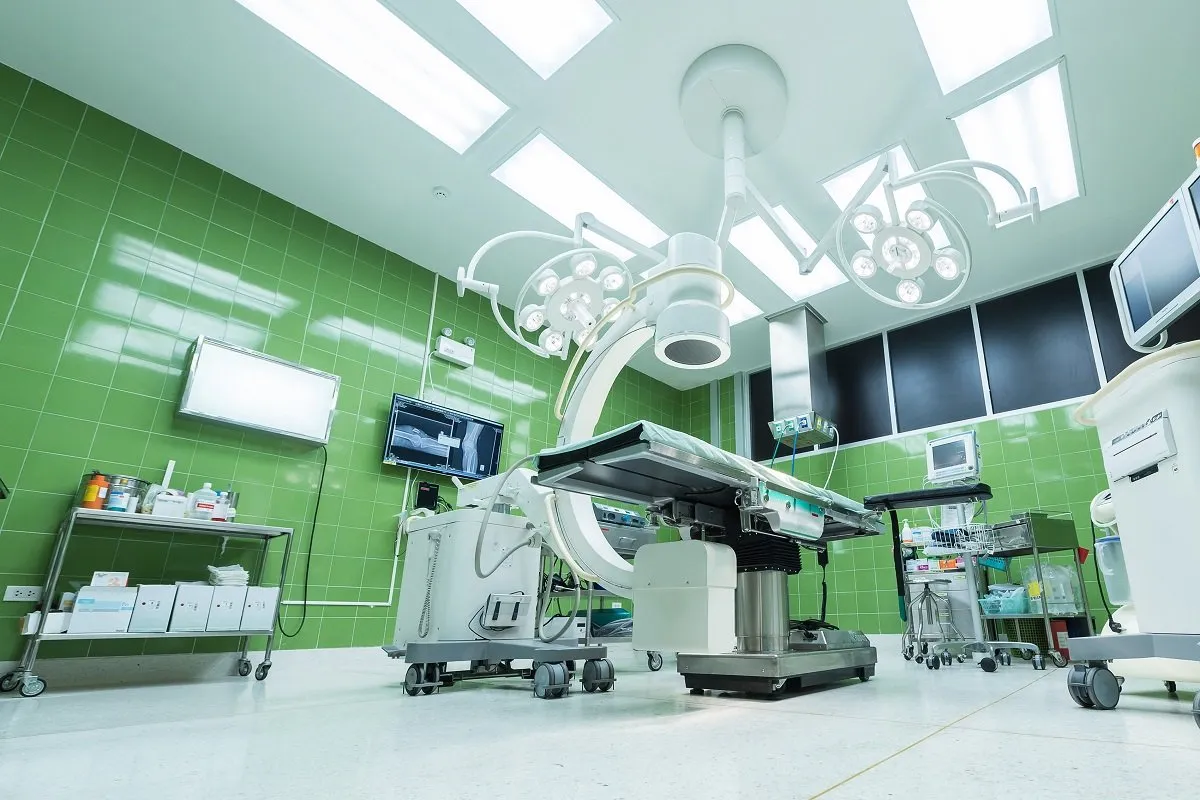
Specialist providers are collaborating with NHS Trusts to deliver everything from operating theatres and endoscopy suites to pathology laboratories and clean rooms. Modular healthcare buildings are versatile, scalable, and designed to meet the highest clinical standards. This growing movement demonstrates a commitment across the NHS to harness innovation for the benefit of patients.
Building a Healthier Future with Modular Healthcare Facilities
The challenges facing the NHS are significant, but modular healthcare buildings provide a practical, proven solution. By delivering new facilities quickly, cost-effectively, and to exacting standards, modular construction helps Trusts reduce waiting lists, ease pressure on A&E departments, and improve patient flow across hospitals.
From wards and theatres to diagnostic hubs and discharge lounges, these buildings support NHS staff in delivering care where it is needed most. In a healthcare system where every bed, every room, and every week matters, modular buildings are more than a construction method. They are an integral part of creating a resilient, responsive, and patient-centred healthcare system.
Modular Healthcare Facilities from GCS Group
At GCS Group, we have extensive experience delivering modular healthcare facilities that meet both immediate and long-term needs. Whether your project requires additional ward space, a specialist diagnostic suite, or a flexible facility designed to evolve with your requirements, our team can guide you from design to installation.
Get in touch today to discuss your project and discover how our modular healthcare buildings can support your patients, your staff, and your long-term care objectives. With modular construction, you can provide high-quality healthcare solutions quickly and effectively, ensuring your facility is ready to meet the challenges of today and tomorrow.
Apart from that if you want to know about GCS Group’s Complete Guide to Choosing the Perfect Portable Office then please visit our Business Category.