Featured image: Source
If you have spent years holidaying in Dorset, Cornwall or the Peak District and want a first trip abroad without a long-haul flight, a Turkish escape is one of the easiest and best-value places to start. Direct flights from many UK airports take around four hours, British tourists do not currently need a visa for short stays, and one country gives you beaches, ancient ruins, a world-class city and landscapes unlike anything at home.
This guide is written for UK travellers stepping up from staycations. It covers why Turkey works so well as a first overseas holiday, the best places for a first visit, when to go, entry rules, money, staying connected, getting around, local etiquette, what to pack and a sample itinerary you can adapt.
Why Turkey Is a Natural Next Step After Staycations
- Short flights – Istanbul, Antalya, Dalaman and Bodrum are served directly from London and many regional airports, with flying times of around four hours.
- Reliable sunshine – the Mediterranean and Aegean coasts are warm from late spring to autumn, something no British summer can promise.
- Value – meals, transport and many hotels have often worked out cheaper than comparable UK breaks, although prices in Turkey have risen and vary widely between resorts and cities.
- Variety – Roman cities, Ottoman palaces, bazaars, cave hotels and turquoise bays can all fit into one or two weeks.
- Hospitality – Turkish hospitality is famous, and English is widely spoken in tourist areas.
Staycation vs Turkish escape at a glance
| Factor | UK staycation | First trip to Turkey |
|---|---|---|
| Travel time | A few hours by car or train | Around four hours’ flight plus airport time |
| Weather | Unpredictable, even in August | Reliably warm on the coast from May to October |
| Documents | None needed | Valid passport; check entry rules before booking |
| Money | Pounds, contactless everywhere | Turkish lira; cards widely accepted, cash useful |
| Phone data | Normal UK plan | Usually outside UK roaming allowances |
| Healthcare | NHS | Travel insurance essential |
Top Three Places in Turkey for First-Timers
Turkey is more than three times the size of the UK, so first-time visitors should choose which areas to explore rather than trying to see everything. These three make an excellent introduction and combine well if you have ten days or more.

Photo credit: Source
1. Istanbul: where continents meet
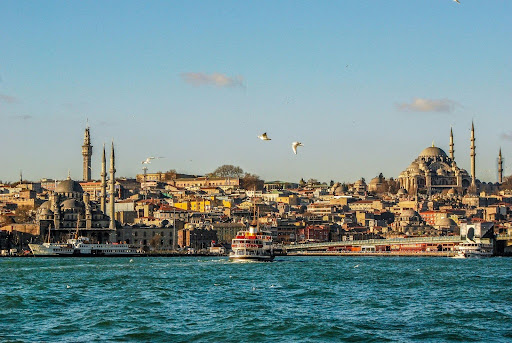
Istanbul straddles the Bosphorus, with districts on both the European and Asian sides. Most first-time visitors base themselves in or near Sultanahmet, the historic peninsula, for Hagia Sophia, the Blue Mosque, Topkapı Palace and the Basilica Cistern, or in Beyoğlu and Karaköy for restaurants, bars and galleries. Spend a morning in the Grand Bazaar and the Spice Bazaar, then take a public ferry across the Bosphorus to Kadıköy on the Asian side, one of the best-value sightseeing trips in the city.
Three to four days is enough for a first visit. Start sightseeing early, as the big monuments draw long queues by late morning, and check opening days before you go because some sites close on a set weekday. Mosques remain places of worship and close to visitors briefly around prayer times.
2. Cappadocia: fairy chimneys and balloons
In central Anatolia, Cappadocia’s valleys are full of eroded rock pillars known as fairy chimneys, rock-cut churches and underground cities such as Derinkuyu and Kaymaklı. Most visitors stay in a cave hotel in Göreme, Uçhisar or Ürgüp. The famous sunrise hot air balloon flights depend on the weather and can be cancelled at short notice, so allow at least two or three nights to give yourself a back-up morning.
Even if you do not fly, watching hundreds of balloons rise at dawn is unforgettable. The Göreme Open Air Museum, the Rose Valley walk and a guided underground city tour fill the rest of your time. Reach Cappadocia with a short domestic flight from Istanbul to Kayseri or Nevşehir, then a shuttle transfer, which most hotels can arrange.
3. Antalya: beach days and an old town
Antalya, on the Mediterranean coast, combines beaches with a characterful old town, Kaleiçi, entered through Hadrian’s Gate. Nearby ancient sites include Perge, Aspendos with its remarkably preserved Roman theatre, and Termessos in the mountains. Resorts along the coast, such as Belek, Side and Kemer, suit families wanting all-inclusive hotels, while the old town suits couples who want restaurants and atmosphere within walking distance. Antalya is well served by direct flights from the UK.
Also worth considering
The Aegean and Turquoise Coasts, including Bodrum, Fethiye, Kaş and Ölüdeniz, are ideal for boat trips, snorkelling and walking sections of the Lycian Way. Selçuk, near Kuşadası, is the base for the ruins of Ephesus, one of the best-preserved Roman cities in the Mediterranean.
When to Go
| Season | Coast | Istanbul and Cappadocia |
|---|---|---|
| Spring (April to May) | Warm, sea still cool | Excellent, tulips in Istanbul in April |
| Summer (June to August) | Hot, busiest and priciest | Hot and crowded in Istanbul |
| Autumn (September to October) | Warm sea, fewer crowds | Excellent for sightseeing and balloons |
| Winter (November to March) | Quiet, many resort hotels closed | Cold, snow in Cappadocia, low prices |
For a first trip that mixes sightseeing and beaches, late May, June, September and early October are the sweet spots. If you are tied to school holidays, book flights and hotels well in advance and plan sightseeing for early mornings and evenings.
Entry Rules, Insurance and Money
At the time of writing, British citizens can visit Turkey for tourism without a visa for up to 90 days in any 180-day period, and passports need to be valid for a set period beyond your arrival date. Rules can change, so check the FCDO’s Turkey travel advice before booking and again before you fly.
Take out travel insurance as soon as you book. The UK Global Health Insurance Card (GHIC) is for the EU and a few other countries and does not cover Turkey, so insurance with good medical cover matters, particularly if you plan activities such as balloon flights, diving or paragliding, which some policies exclude.
The currency is the Turkish lira. Cards are widely accepted in cities and resorts, but carry some cash for markets, taxis, dolmuş fares and tips. Use bank ATMs rather than exchange kiosks with unclear fees, and when paying by card always choose to be charged in lira rather than pounds, as the conversion offered at the till is usually worse than your bank’s rate.
Staying Connected Without Roaming Charges
Turkey is not in the EU, so it usually falls outside the roaming allowances included in UK mobile contracts. Using your normal plan can mean expensive daily roaming fees or pay-as-you-go data charges. Since you will probably rely on your phone for maps, taxi and transport apps, translation, photo uploads and messages home, sorting data before you travel is worth it.
A travel eSIM is often the simplest solution. It is a digital SIM installed by scanning a QR code or through an app, so you do not need to buy or swap a physical SIM card, and you can keep your UK number active for calls and texts if you want. Check your phone is eSIM compatible and unlocked before you buy.
Holafly is one provider offering a Turkey eSIM with unlimited data plans and round-the-clock customer support, and you can check out Holafly’s offer to compare plan lengths for your trip. Whichever provider you choose, install the eSIM at home over Wi-Fi, switch data roaming on for the eSIM line only when you land, and check any fair usage or hotspot limits in the plan details.
Getting Around Turkey
Distances are large, so domestic flights are the quickest way to link regions, with frequent services between Istanbul and Kayseri, Nevşehir, Antalya, Dalaman and Izmir. Long-distance coaches are comfortable and inexpensive, and high-speed trains connect Istanbul with Ankara and Konya.
- In Istanbul – buy an Istanbulkart for trams, the metro, buses and ferries rather than paying per journey.
- On the coast – dolmuş minibuses run between towns and beaches and are cheap and frequent.
- Taxis – make sure the meter is running, or agree the fare before you set off.
- Car hire – works well on the Aegean and Turquoise Coasts. Turkey drives on the right, so check your insurance and take your UK licence.
Local Etiquette for First-Time Visitors
A few small habits make a big difference to how you are received:
- Dress modestly away from the beach and resort areas, especially in mosques and smaller towns.
- Remove your shoes before entering a mosque, keep your voice down and avoid walking in front of people praying.
- Accept tea when it is offered in shops; it is a gesture of hospitality, not a commitment to buy.
- Haggle politely in bazaars, but not in supermarkets or restaurants with fixed prices.
- Tipping of around 10% is common in restaurants if service is not already included.
- Learn a few words: merhaba (hello), teşekkür ederim (thank you) and lütfen (please) are always appreciated.
Packing Tips for Turkey
- Light, breathable clothing from May to September, plus a warm layer for Cappadocia evenings and balloon mornings.
- A scarf or shawl for visiting mosques, where women cover their hair and everyone covers shoulders and knees.
- Comfortable walking shoes – cobbled streets, hilly neighbourhoods and ancient sites are hard on sandals.
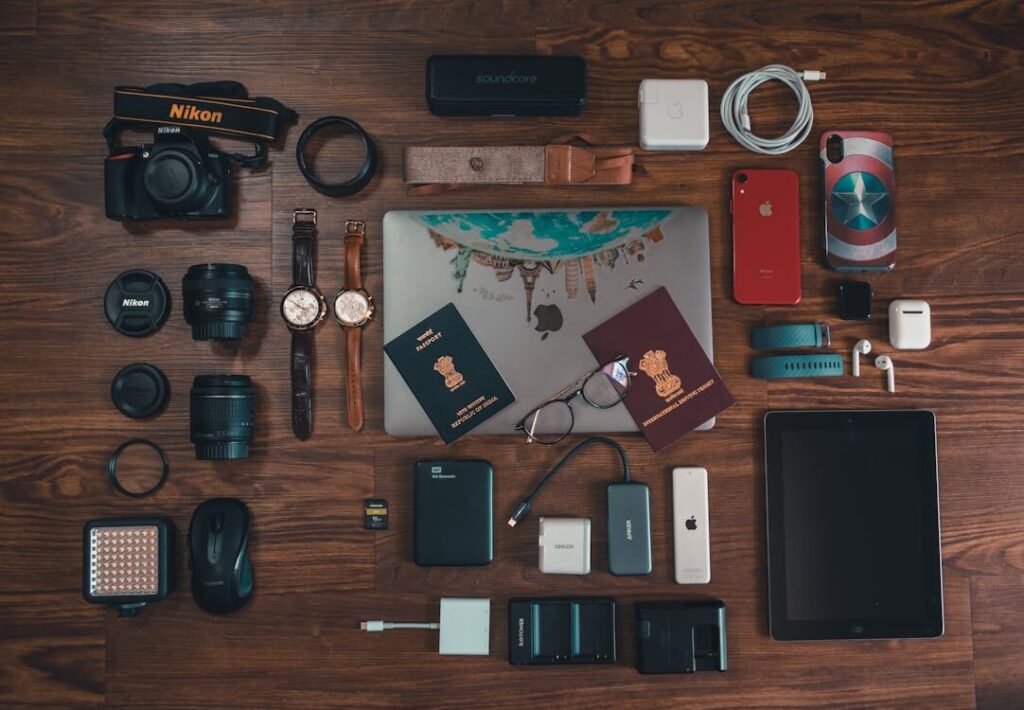
- A travel adapter – Turkey uses the two-pin European plug (types C and F).
- Sun protection – high-factor sun cream, sunglasses and a hat.
- Essential medicines in original packaging, plus your travel insurance details.
- Space in your suitcase for Turkish delight, spices, cotton towels and ceramics.
A Sample Ten-Day First Trip
- Days 1–3: Istanbul – historic peninsula, bazaars and a Bosphorus ferry.
- Days 4–6: Cappadocia – valley walks, an underground city and a sunrise balloon morning.
- Days 7–10: Antalya – old town, Aspendos or Perge, then beach time before flying home.
If you prefer something simpler, a week in one coastal resort with a couple of day trips is a relaxed first step. Some UK visitors also combine a holiday with planned treatment, a trend covered in our article on dental tourism in Turkey. If you like the idea of pairing beaches with ancient history elsewhere, see our guide to combining coral reefs and temples in one holiday, and for closer-to-home breaks our Isle of Wight visitor essentials makes a useful comparison.
Bottom Line
For a first holiday beyond the UK, Turkey offers short flights, reliable sunshine and huge variety. Choose two regions rather than five, travel in spring or autumn if you can, sort insurance and mobile data before you go, and leave a spare morning in Cappadocia for the balloons. Do that and your first Turkish escape is likely to be the start of many.
FAQs
Do UK citizens need a visa for Turkey?
At the time of writing, British citizens can visit for tourism without a visa for up to 90 days in any 180-day period. Check the latest FCDO travel advice before booking and again before you travel, as rules can change.
How long is the flight from the UK to Turkey?
Direct flights from UK airports to Istanbul, Antalya, Dalaman and Bodrum usually take around four hours. Add time for transfers if you are heading to Cappadocia, which needs a domestic flight.
Does UK mobile roaming work in Turkey?
Turkey is usually outside UK roaming allowances, so charges can be high. A travel eSIM or a local SIM is often a cheaper way to get mobile data.
Does the GHIC card cover Turkey?
No. The UK Global Health Insurance Card does not cover Turkey, so you need travel insurance with good medical cover before you go.
What is the best place in Turkey for a first visit?
Istanbul for history and city life, Cappadocia for landscapes and balloon flights, and Antalya for beaches with ancient sites nearby. Many first trips combine two or three of them.
When is the best time to visit Turkey?
April to May and September to October offer warm weather, fewer crowds and comfortable sightseeing. July and August are the hottest and busiest months.