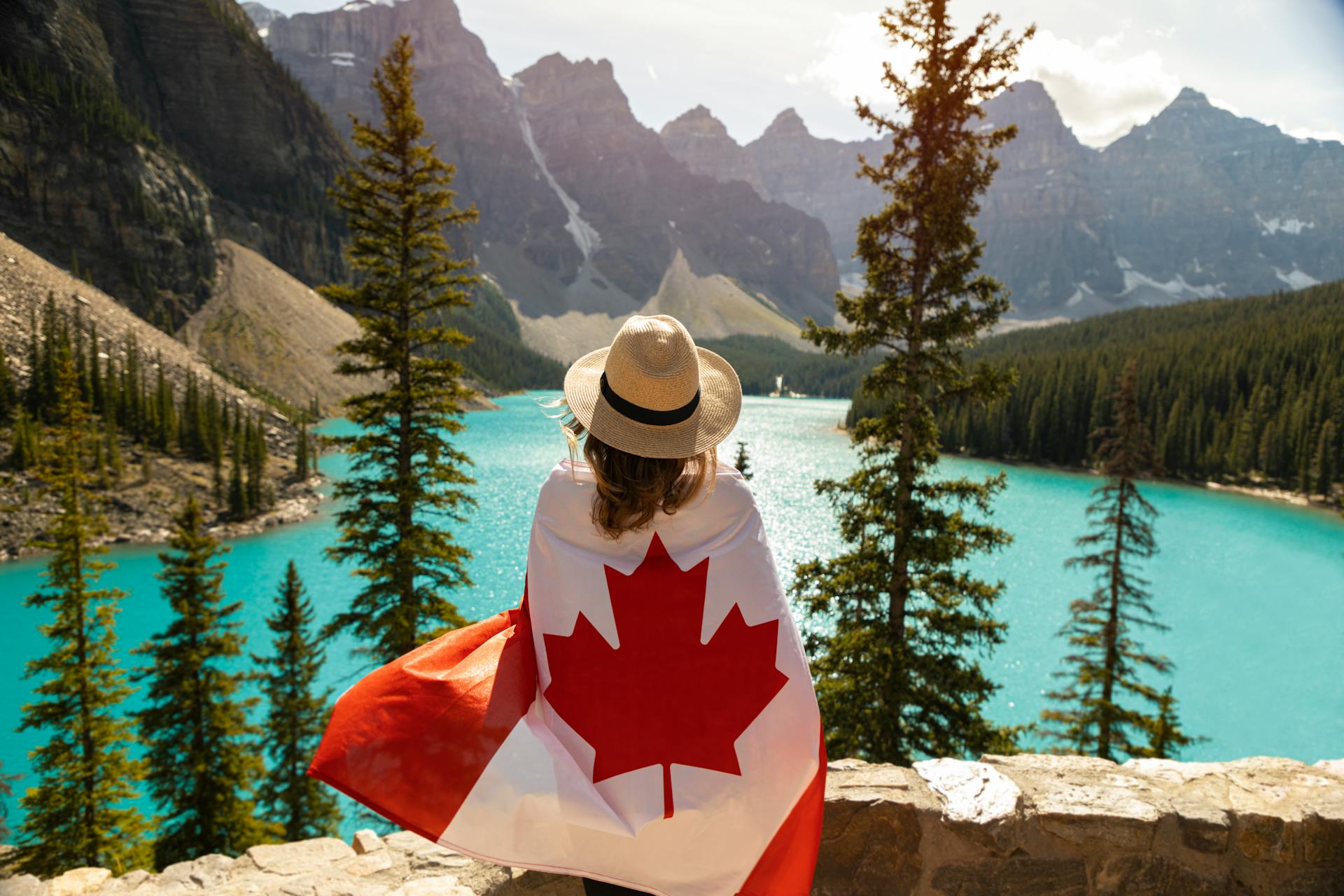
The five activities that give most first-time visitors the best taste of Canada are a scenic rail journey through the Rockies or across the country, a cruise along the British Columbia and Alaska coast, a few days in its major cities, wildlife watching, and the Northern Lights. You will not fit all five into a single trip, because Canada is vast: Vancouver to Toronto is further than London to Moscow. The secret is to choose one region and one season, then build your getaway around one or two headline experiences.
This guide explains each activity, where and when to do it, how long it takes, the mistakes first-timers often make, and how to combine them into a realistic holiday from the UK.
At a glance: when and where
| Activity | Best region | Best season | Time needed |
|---|---|---|---|
| Scenic rail journey | Rockies and cross-country | Late spring to early autumn (some routes year round) | 2 to 4 days on board |
| Canada and Alaska cruise | British Columbia coast, Inside Passage | May to September | Around 7 nights |
| City breaks | Toronto, Montreal, Quebec City, Vancouver | All year | 2 to 3 days per city |
| Wildlife watching | BC, Quebec, the Maritimes, Manitoba | Varies by species, mostly spring to autumn | Half a day to several days |
| Northern Lights | Yukon, Northwest Territories, northern Manitoba | Roughly late August to April | 3 to 4 nights to allow for cloud |
How to choose: east, west or north?
Before looking at individual activities, decide which part of the country suits your interests. It is the single decision that shapes everything else.
- The west (British Columbia and Alberta): mountains, lakes, rail journeys, Alaska cruises and bears. Best for first-timers who want dramatic scenery, especially from June to September.
- The east (Ontario and Quebec): cities, Niagara Falls, French-Canadian culture, whale watching on the St Lawrence and spectacular autumn colour. Easier to do without a car, as cities are linked by train.
- The north (Yukon and Northwest Territories): wilderness, dog sledding and the Northern Lights. Best for a focused winter or autumn trip rather than a first general tour.
1. Take a scenic rail journey
Rail travel is one of the most relaxing ways to watch Canada’s landscape change, and there are two very different styles to choose from.
VIA Rail’s The Canadian
The Canadian runs between Toronto and Vancouver, crossing the lakes and forests of northern Ontario, the prairies of Manitoba and Saskatchewan, and the Rockies around Jasper. The full journey takes around four nights. Classes range from economy seats to sleeper cabins and the premium Prestige class, with larger private cabins and dedicated service. Dome cars give panoramic views. It is a working train as much as a tourist experience, so timings can slip, and you can break the journey at stops such as Jasper or Winnipeg.
Rocky Mountaineer
Rocky Mountaineer is a daytime-only luxury train linking Vancouver with Banff, Lake Louise or Jasper, with passengers staying overnight in hotels rather than on board. It runs in the warmer months and focuses squarely on views, commentary and meals. It is usually combined with a few nights in the Rockies and a city stay in Vancouver.
| The Canadian | Rocky Mountaineer | |
|---|---|---|
| Style | Overnight train with sleeper options | Daytime-only luxury train, hotel stops |
| Route | Toronto to Vancouver | Vancouver to Banff, Lake Louise or Jasper |
| Best for | Seeing the full sweep of the country slowly | Mountain views in daylight with a high level of service |
| Season | Year round | Warmer months |
Tip: sit on the side of the train facing the best scenery where seat selection allows, and keep a light layer handy, as dome cars can be warm in sunshine and cool in the evening.
2. Cruise the coast of British Columbia and Alaska
A cruise through the Inside Passage is one of the most popular ways for UK travellers to see this coastline of forested islands, fjords and glaciers. Sailings typically run from May to September, often starting or ending in Vancouver, with calls at Alaskan ports such as Ketchikan, Juneau and Skagway and a day of scenic cruising near a glacier, for example in Glacier Bay or Tracy Arm. Days in port offer whale-watching trips, float-plane flights, historic gold-rush railways and salmon and wildlife excursions.
Many UK specialists package the cruise with a land tour of the Rockies before or after. Operators such as Canadian Sky arrange a Canada and Alaska cruise as part of a longer itinerary with flights, hotels and rail, which saves you piecing the logistics together yourself.
When comparing cruise options, check:
- the direction of sailing, as one-way cruises between Vancouver and Alaska need an open-jaw flight home;
- cabin type, since a balcony makes scenic cruising days far more enjoyable;
- the cost of shore excursions, which can add significantly to the total;
- whether pre-cruise hotel nights and transfers are included.
3. Explore Canada’s cities
Canada’s cities differ greatly from one another, and two or three days in one or two of them makes a good counterweight to time in the wilderness.
- Toronto: the largest city, with the CN Tower, a lively waterfront, the Distillery District, Kensington Market and a food scene reflecting its multicultural population. Niagara Falls is an easy day trip.
- Montreal: French-speaking and full of character, with Old Montreal’s cobbled streets, Mount Royal park, summer festivals and a reputation for bagels, smoked meat and café culture.
- Quebec City: a walled old town with a distinctly European feel, a UNESCO World Heritage Site and especially atmospheric in winter.
- Vancouver: set between mountains and ocean, with Stanley Park, Granville Island market and easy access to hiking, skiing and whale watching. It is also the usual gateway for Alaska cruises and the Rockies.
Trains between Toronto, Montreal and Quebec City make the eastern cities easy to link without a car, which keeps a city-focused trip simple and avoids big-city parking costs.
4. Go wildlife watching
Canada is one of the best places in the world to see large animals in the wild, provided you go to the right place at the right time and choose responsible operators.
- Bears: black bears are common in the Rockies and BC. For grizzlies, guided trips on the BC coast, including the Great Bear Rainforest region, focus on late summer and autumn, when bears feed on salmon.
- Whales: orcas and humpbacks off Vancouver Island, belugas and other whales around Tadoussac in Quebec, and humpbacks and other species in the Bay of Fundy and off Newfoundland, generally from late spring to autumn.
- Polar bears: Churchill in northern Manitoba is famous for polar bear viewing, mainly in October and November, on specialist tundra vehicle tours.
- Elk, moose and bighorn sheep: often seen along roads in Banff and Jasper National Parks. Stay in your vehicle and keep a safe distance.
- Birds: the Maritimes and the Quebec coast are rich in seabirds, including puffin and gannet colonies in summer.
If you hike in bear country, follow Parks Canada guidance: make noise on the trail, carry bear spray and know how to use it, and never leave food out. Early morning and dusk are generally the best times to spot animals, so plan drives on scenic roads such as the Icefields Parkway accordingly.
5. See the Northern Lights
Canada’s north sits under the auroral oval, giving it some of the most reliable Northern Lights viewing anywhere. Yellowknife in the Northwest Territories and Whitehorse in the Yukon are the best-known bases, with operators running heated viewing cabins, photography tours and multi-night packages. Churchill in Manitoba and northern parts of Alberta and Saskatchewan can also produce good displays.
The season runs roughly from late August to April, when nights are dark enough. Autumn visits bring milder temperatures and reflections on unfrozen lakes; winter brings snow, dog sledding and very cold nights, often well below minus 20°C. Plan three or four nights to give yourself a good chance of clear skies, and pack or hire proper cold-weather clothing. A tripod and a camera or phone with a night mode will make a big difference to your photos.
Sample itineraries
Two weeks in the west (summer)
Fly to Calgary and spend four or five nights in Banff and Jasper, including a drive along the Icefields Parkway. Take the train to Vancouver, enjoy two nights in the city, then join a seven-night Alaska cruise from Vancouver. Moraine Lake near Lake Louise is now reached by shuttle or tour rather than private car, so book ahead.
Ten days in the east (autumn)
Start in Toronto with a day trip to Niagara Falls, take the train to Montreal, then continue to Quebec City, with a side trip to Tadoussac for whale watching. Late September and early October bring autumn colour across Ontario and Quebec.
A winter aurora trip
Fly via Vancouver or Calgary to Whitehorse or Yellowknife for four nights of aurora viewing, then finish with skiing in the Rockies or a city stay. If you prefer to travel independently, renting a campervan is popular in summer in the west; many of the same principles in our guide to motorhome rental for a flexible road trip apply in Canada too, and our round-up of affordable camps for a budget-friendly escape has useful tips for campsite stays.
Common mistakes to avoid
- Trying to see everything: combining both coasts in two weeks means more time in airports than in the mountains.
- Underestimating distances: drives that look short on a map can take a full day, especially with wildlife stops and roadworks.
- Booking late for summer: hotels in Banff, Jasper and Lake Louise, Rocky Mountaineer seats and popular cruise cabins fill up early.
- Packing only for summer: mountain weather changes fast, and evenings can be cold even in July.
Practical tips for UK visitors
- Entry: British citizens flying to Canada usually need an Electronic Travel Authorisation (eTA) before departure. Apply only through the official Government of Canada eTA page. An Alaska cruise also takes you into the United States, so check US entry requirements such as ESTA.
- Flights: there are direct flights from the UK to major Canadian cities including Toronto, Vancouver, Calgary and Montreal.
- Driving: Canadians drive on the right. A UK licence is generally accepted for visitors, but check your car hire company’s rules.
- National parks: a Parks Canada pass is needed for parks such as Banff and Jasper; an annual Discovery Pass can be good value on longer trips.
- Tipping and tax: prices usually exclude sales tax, and tipping around 15 to 20 per cent in restaurants is customary.
- Insurance: healthcare for visitors can be very expensive, so comprehensive travel insurance is essential.
Frequently Asked Questions
What is the best time of year to visit Canada?
June to September suits the Rockies, cruises and wildlife. Late September and early October bring autumn colour in the east, while late autumn to early spring is best for the Northern Lights and skiing.
How long should a first trip to Canada be?
Two weeks is a good length for one region, such as the Rockies and Vancouver with a cruise, or the Toronto to Quebec City corridor. Trying to cover both coasts in one trip means a lot of travelling.
When do Alaska cruises from Vancouver run?
Alaska cruises generally sail from May to September. Many itineraries last around seven nights, and some start or end in Vancouver.
Where is the best place to see the Northern Lights in Canada?
Yellowknife in the Northwest Territories and Whitehorse in the Yukon are the best-known bases, with Churchill in Manitoba another option. Allow three or four nights for clear skies.
Do UK citizens need a visa for Canada?
British citizens visiting as tourists usually do not need a visa but do need an eTA to fly to Canada. Apply through the official Government of Canada website before travelling.
Bottom Line
For a first Canada getaway, pick one region and build around one or two highlights: the Rockies, a rail journey and an Alaska cruise in summer; the eastern cities and whale watching in autumn; or the Northern Lights in winter. Book summer trips early, allow realistic travel times and leave a spare day or two for weather.