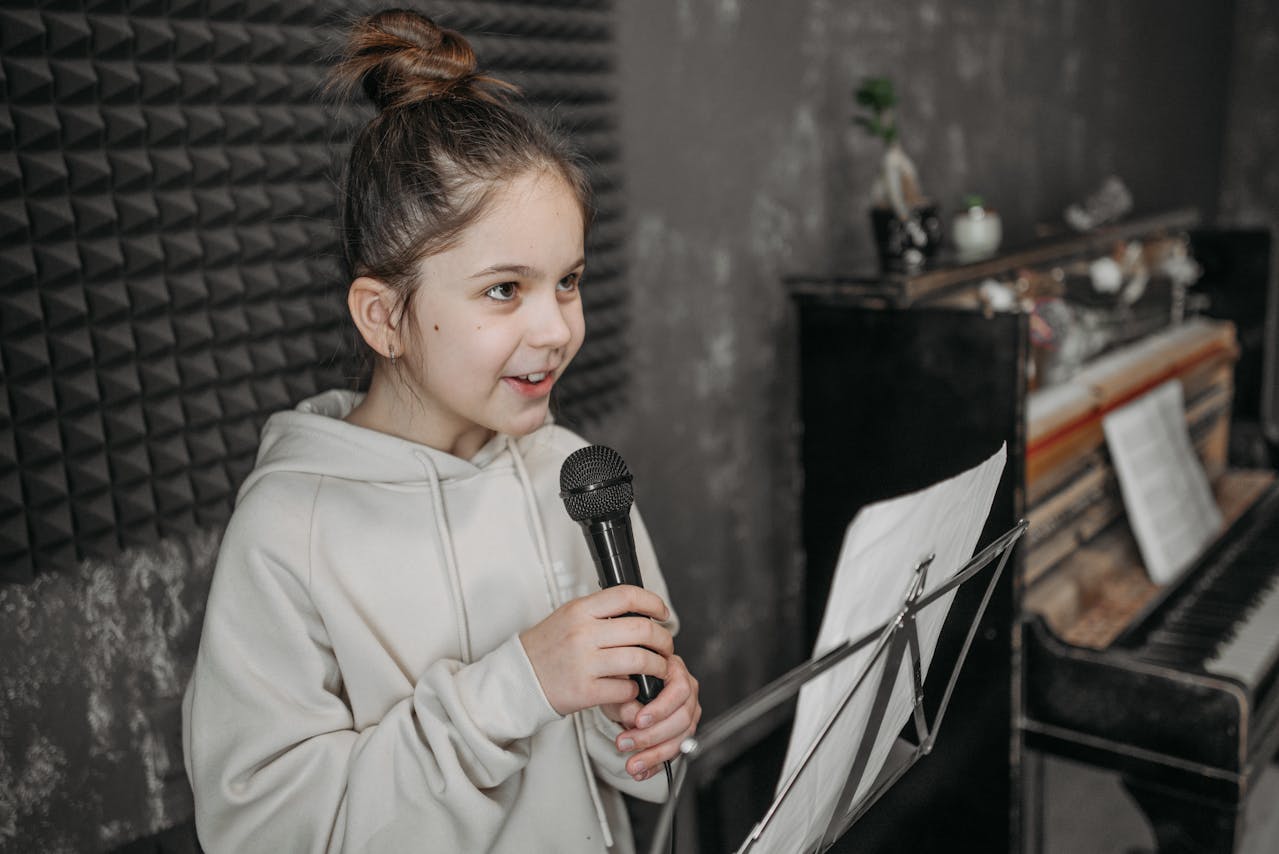
It is never too late to start singing lessons. Adults in Singapore regularly begin vocal training in their thirties, forties, sixties and beyond, and most make steady, audible progress within a few months of consistent practice. The voice is a trainable instrument at any age, and adult learners often progress faster than they expect because they practise with purpose.
If you have been looking into singing lessons for adults Singapore but keep putting it off because you think your voice is “fixed” or that you have left it too late, this guide is for you. It covers what really changes with age, what adult beginners can realistically expect, how to pick a style, format and teacher, and how to practise so every lesson pays off.
Why Adults Can Learn to Sing Well
Singing combines two skills. One is physical: breathing, posture, coordination of the vocal folds and shaping sound in the throat and mouth. The other is aural: hearing pitch accurately and matching it. Both respond to training at any age. Children may absorb some things intuitively, but adults bring real advantages into the studio:
- Understanding the “why”. Adults can follow explanations about breath support, vowel shapes and registers, so technique makes sense sooner and sticks better.
- Self-directed practice. Most adults enrol because they want to, not because a parent signed them up, and that motivation shows in their practice habits.
- Clear goals. Singing at a wedding, joining a choir, performing at an open mic or simply singing without strain are concrete targets a teacher can plan around.
- Musical memory. Decades of listening give adults a large mental library of songs, styles and singers to learn from.
The brain’s ability to form new motor patterns continues throughout adult life. Extending range at the very top or bottom may take longer than it would for a teenager, but healthy, pleasant, in-tune singing is within reach for almost everyone.
What Actually Changes as the Voice Ages
It helps to be honest about the physical side. With age, the vocal folds and the muscles around the larynx can lose some flexibility, and breath capacity may fall if you are not physically active. Hormonal changes can lower the voice slightly for some women after menopause, while some men notice their voice becoming a little thinner or higher.
None of this stops you singing. It simply means warm-ups matter more, and a good teacher will choose keys and exercises that suit the voice you have now rather than the one you had at 18. Regular, well-supported singing can actually help keep the voice flexible and strong as you get older, much as regular exercise keeps other muscles working well.
If you have persistent hoarseness, pain when singing or a voice change lasting more than a few weeks, see a doctor or an ENT specialist before starting intensive training. A teacher is not a substitute for medical advice.
Benefits Beyond the Voice
Adult students often describe benefits that reach well beyond hitting the right notes:
- Better breath control, which many people notice in everyday speaking, climbing stairs and exercise.
- More confident speaking in meetings, presentations and social settings, because vocal training works on projection, clarity and posture.
- A genuine break from work: a weekly lesson and short daily practice give you a focused, screen-free activity.
- Social connection through choirs, group classes, student showcases and karaoke nights with friends.
- A sense of achievement that comes from learning a new skill and hearing measurable progress on your own recordings.
Choosing a Singing Style
Most schools in Singapore teach several styles. Your choice shapes the songs you learn and the technical emphasis, although all good teaching rests on the same foundations of breath, posture and healthy tone.
| Style | Technical focus | Good fit if you want to |
|---|---|---|
| Classical | Breath support, resonance, legato, even tone across registers | Sing in choirs, learn art song or take graded exams |
| Contemporary pop and rock | Mix voice, microphone technique, style and phrasing | Sing radio hits, perform with a band or at open mics |
| Musical theatre | Safe belting, acting through song, clear diction | Audition for community productions or sing show tunes |
| Jazz and blues | Phrasing, improvisation, tone colour | Explore interpretation and make songs your own |
Do not worry about choosing the “wrong” style. Technique transfers between genres, and many adults start with pop songs they love, then branch out once their foundations are secure.
If you like structured goals, graded exams are available in Singapore through boards such as ABRSM for classical singing and Trinity College London, which includes Rock and Pop vocals. Exams are optional; many adults prefer to work on songs they enjoy without formal assessment.
Private, Group or Online Lessons
| Format | Strengths | Trade-offs |
|---|---|---|
| Private one-to-one | Fastest feedback, fully tailored exercises and repertoire | Highest cost per hour |
| Group class | More affordable, sociable, less pressure for nervous beginners | Less individual correction |
| Online | No travel, easy to fit around work, wider choice of teachers | Audio lag makes live accompaniment and harmony harder |
Many students combine formats: a group course to build confidence, then private lessons to refine technique, or online lessons during busy months with occasional studio sessions.
What Lessons Cost and What Affects the Price
Fees in Singapore vary widely, so compare published rates directly with schools rather than relying on averages. The main factors are:
- The teacher’s qualifications, teaching experience and performing background.
- Lesson length, typically 30, 45 or 60 minutes.
- Whether you pay per lesson, by package or by term.
- Private versus group format.
- Extras such as exam entry fees, sheet music, recital fees or studio recording sessions.
Before committing, ask whether a trial lesson is available and what the cancellation and make-up policy is. A shorter weekly lesson backed by regular practice usually gives better value than a longer lesson taken irregularly.
How to Choose the Right Teacher
- Book a trial lesson. Try one or two teachers if you can. You should leave feeling encouraged and with a clear idea of what to work on.
- Ask about their experience with adult beginners. Teaching a nervous 45-year-old is very different from coaching a teenage competition singer.
- Listen for healthy technique. A good teacher never pushes you to sing through pain or to force high notes early on.
- Check the plan. Strong teachers explain what you will work on over the next few months, not just the next song.
- Consider logistics. A studio close to your MRT line, home or office makes it far easier to keep a weekly slot.
Red flags to watch for
- Lessons that are mostly the teacher singing while you listen.
- No warm-up, or warm-ups that leave your throat tired or sore.
- Pressure to sign up for long, non-refundable packages after one session.
- Feedback that is vague (“just sing louder”) rather than specific and actionable.
Overcoming the Mental Barriers
For most adults the biggest hurdle is not technique but embarrassment. Many people were told once, often in childhood, that they “can’t sing”, and they carry that belief for decades. In reality, true tone deafness is uncommon. Most people who sing out of tune have simply never trained the link between hearing a pitch and producing it, and that link responds well to practice.
Expect imperfection, especially in the first few weeks. Your teacher has heard every cracked note and breathy phrase before. Treat mistakes as information, not judgement. Singing familiar songs in relaxed settings helps too; our round-up of karaoke spots in London shows how social singing builds confidence wherever you happen to live.
A Practical Plan for Your First Three Months
Month one: foundations
Focus on posture, relaxed breathing and simple warm-ups such as lip trills, humming and sirens. Practise matching pitch on single notes and short scales, and choose one easy song in a comfortable key.
Month two: control
Work on sustaining phrases on one breath, smoothing the transition between chest and head voice, and singing clear, consistent vowels. Add a second song that stretches you a little in range or rhythm.
Month three: expression
Start shaping dynamics and phrasing, and think about the story the song tells. Many schools hold informal student showcases, and singing for a small, supportive audience is a useful milestone. Pop repertoire works well at this stage; artists with singable melodies, such as those in our guide to Katy Perry’s songs, are popular with adult learners.
Practice Habits That Make the Difference
- Practise little and often: 15 to 20 focused minutes most days beats one long session a week.
- Always warm up before singing songs, and stop if your throat feels tight, scratchy or sore.
- Record yourself every week on your phone. Listening back is the clearest way to hear progress.
- Keep a short practice log noting what you worked on and what felt difficult, and bring it to lessons.
- Stay hydrated and be mindful of air-conditioned rooms, which can dry the throat.
- Rest your voice after late nights, colds or long days of talking.
Progress is rarely a straight line. Quick early gains are usually followed by plateaus where nothing seems to change, then a sudden step forward. Those flat periods are when new coordination is settling in, so keep going.
Common mistakes adult beginners make
- Trying to copy a favourite singer’s exact sound instead of finding their own healthy tone.
- Pushing for high notes with a tight throat rather than building up to them gradually.
- Skipping practice between lessons and expecting the weekly session to do all the work.
- Choosing songs in the original key when a lower or higher key would suit their voice better.
Frequently Asked Questions
Am I too old to start singing lessons?
No. Adults in their forties, sixties and beyond regularly start lessons and make clear progress. Some flexibility may reduce with age, but sensible warm-ups, suitable keys and consistent practice let most adult beginners sing comfortably and confidently.
How long before I notice improvement?
With a weekly lesson and 15 to 20 minutes of practice most days, many adults notice steadier breath and more accurate pitch within two to three months. Range and stamina usually take longer, and progress depends on your starting point and how consistently you practise.
What if I think I am tone deaf?
True tone deafness is uncommon. Most people who sing off key have simply not trained the link between hearing a note and producing it. Pitch-matching exercises with a patient teacher usually improve this noticeably over a few months.
Should I choose private or group singing lessons?
Private lessons give faster, tailored feedback on your technique. Group classes cost less and feel less intimidating if you are nervous about singing alone. Many adults start in a group class, then move to private lessons once they know what they want to work on.
Do I need to read music to take singing lessons?
No. Many adult beginners learn entirely by ear, using recordings and lyric sheets. Teachers can introduce basic notation gradually, which helps if you later join a choir or take graded exams.
Do I need to take singing exams?
No. Exams from boards such as ABRSM or Trinity College London are optional. They suit people who like structured targets and certificates, but plenty of adults simply learn songs they enjoy and perform informally.
Bottom Line
Your voice can improve at any age if you train it sensibly. Book a trial lesson, commit to short daily practice for three months and record your progress. Whether you want to perform or simply enjoy singing without strain, singing lessons for adults Singapore are a rewarding place to start.