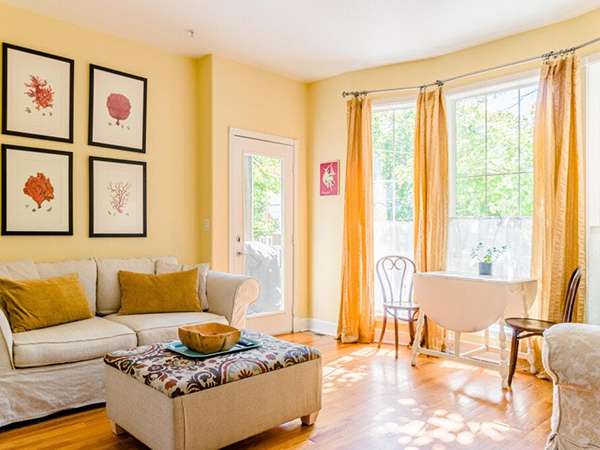
- Thoughtful design choices, like using personal touches and optimizing layouts, create spaces that feel welcoming and authentic.
- Smaller spaces can be transformed with smart furniture, efficient storage, and creative design strategies.
- Incorporating natural elements, such as plants, natural light, and organic materials, enhances comfort and well-being.
- Staying true to your personal style ensures your home reflects your unique personality and tells your story.
Creating a space that truly feels like home is about more than just furniture and decor. It’s about designing an environment that reflects your personality, supports your lifestyle, and brings a sense of comfort. Whether you’re moving into a new house or revamping an existing space, the choices you make can profoundly impact how you connect with your surroundings.
This blog dives into key principles and ideas that can help you transform any space into a cozy, functional, and personal haven. From understanding the psychology of comfort to maximizing smaller spaces, these tips will help you design with purpose and heart. Let’s get started on your journey to crafting spaces that feel just right.
The Psychology of Comfort and Belonging in Design
Have you ever walked into a room and instantly felt at ease? That’s the power of thoughtful design. The way a space looks and feels has a direct influence on your emotions and sense of belonging. Elements like lighting, colors, and even the layout of furniture all play a role in shaping how a space is experienced.
Soft, warm lighting creates a calming effect, while bold or saturated colors can energize a room. Meanwhile, layouts that promote easy movement and open communication make spaces more inviting. Including personal touches, such as family photos, meaningful artwork, or mementos, enhances this connection, reminding you of who you are and what you love.
Ultimately, the secret to creating a comforting space lies in balance. Combine functionality with pieces that resonate emotionally. When your environment feels familiar and authentic, it becomes more than a place to live, it becomes home.
Enhancing Smaller Spaces with Smart Design
Smaller spaces often come with unique challenges, but with the right design strategies, they can feel just as comfortable and functional as larger ones. When designing compact areas, it’s all about maximizing every square meter without sacrificing style or comfort.
Think about flexible furniture that serves multiple purposes, such as a sofa bed or a dining table that folds away. Vertical storage solutions, like shelves or hanging organizers, help free up floor space while keeping essentials within reach. Carefully chosen color palettes, especially lighter tones, can make rooms appear more spacious and airier.
Take granny flats in Sydney, for example. These small living spaces demonstrate how smart layouts and innovative furniture choices can turn limited space into a versatile haven. Incorporating modular pieces or cleverly placed storage ensures that every corner is put to good use. By combining practicality with a dash of creativity, you can transform even the tiniest of rooms into a warm, inviting home.
Designing with Multi-Purpose Areas in Mind
Modern living often calls for spaces that can adapt to multiple needs, whether it’s working from home, hosting friends, or simply unwinding. Multi-purpose design allows you to create flexible areas that fit seamlessly into your lifestyle.
Start by defining your priorities. Do you need a home office that doubles as a guest bedroom or a dining area that can transform into a workspace? Once you’ve identified the purpose, choose furniture that can handle the workload. For instance, a fold-out desk can save space while providing functionality, and an extendable dining table can cater to both intimate meals and larger gatherings.
Room dividers are another game-changer. Curtains, shelving units, or even sliding panels can separate spaces without making them feel closed off. This approach works especially well in open-plan homes or small apartments, where distinct zones can improve usability while maintaining an open and airy feel.
A well-planned multi-purpose area ensures that no space goes to waste. By thoughtfully blending form and function, you can achieve a layout that’s as adaptable as it is comfortable.
Incorporating Natural Elements into Your Space
There’s something undeniably soothing about bringing a touch of nature indoors. Incorporating natural elements into your design not only enhances the aesthetics but also promotes a sense of well-being.
Start small with houseplants. They not only purify the air but also add life and vibrancy to any room. Low-maintenance plants like succulents or pathos are ideal for beginners, while larger options like fiddle-leaf figs can make a bold statement. Pair plants with natural materials like wood, rattan, or stone to further the organic feel.
Maximize natural light by using sheer curtains or strategically placing mirrors to reflect sunlight throughout the room. This creates an open and energizing atmosphere. For those who prefer a cozier vibe, adding textured throws, jute rugs, or bamboo accents can bring warmth and a tactile connection to the outdoors.
Even small changes, like incorporating earth tones or nature-inspired artwork, can have a big impact. These elements create a harmonious balance that grounds your space, making it feel more welcoming and serene.
Staying True to Your Personal Style
Designing a space that feels like home isn’t just about trends or Pinterest-worthy decor—it’s about reflecting your unique personality. When you stay true to your personal style, your environment feels more authentic and inviting.
Start by identifying what resonates with you. Do you prefer sleek, modern lines or a cozier, rustic aesthetic? Perhaps you’re drawn to bold colors and eclectic patterns, or maybe a minimalist, monochrome palette is more your speed. Whatever your preference, let it guide your choices in furniture, decor, and finishes.
It’s also important to curate rather than clutter. Choose pieces that hold meaning or bring joy and arrange them thoughtfully. Layering textures, such as soft throws, woven rugs, or velvet cushions, can add depth and comfort to your space. Mixing old and new items—like pairing a vintage coffee table with a contemporary sofa—creates a timeless, personalized look.
Ultimately, your home should tell your story. By infusing your design with elements that reflect your style and values, you create a space that feels unmistakably yours.
Conclusion
Designing spaces that feel like home is an art that blends functionality, comfort, and individuality. It’s about understanding what makes you feel connected and then translating that into thoughtful design choices.
Whether it’s through intentional layouts, natural touches, or personal flair, every step you take brings you closer to creating a haven that’s uniquely yours. Embrace the process, and let your space evolve into a true reflection of who you are.