Some businesses need more control over their physical infrastructure than others. Although virtualisation is a popular option, bare-metal servers are best in some situations.
Driving this demand are financial trading systems, high-performance computing users, telemedicine platforms, and compliance-heavy applications. In fact, according to industry market reports, the bare metal server market is projected to grow to USD 15.12 billion by 2033.
While it’s useful to understand this growth trend, knowing when to use bare metal servers for enhanced performance can make all the difference. In this guide, explore features of bare metal servers, when they make sense, and how they can give you an operational edge.
What is a Bare Metal Server?
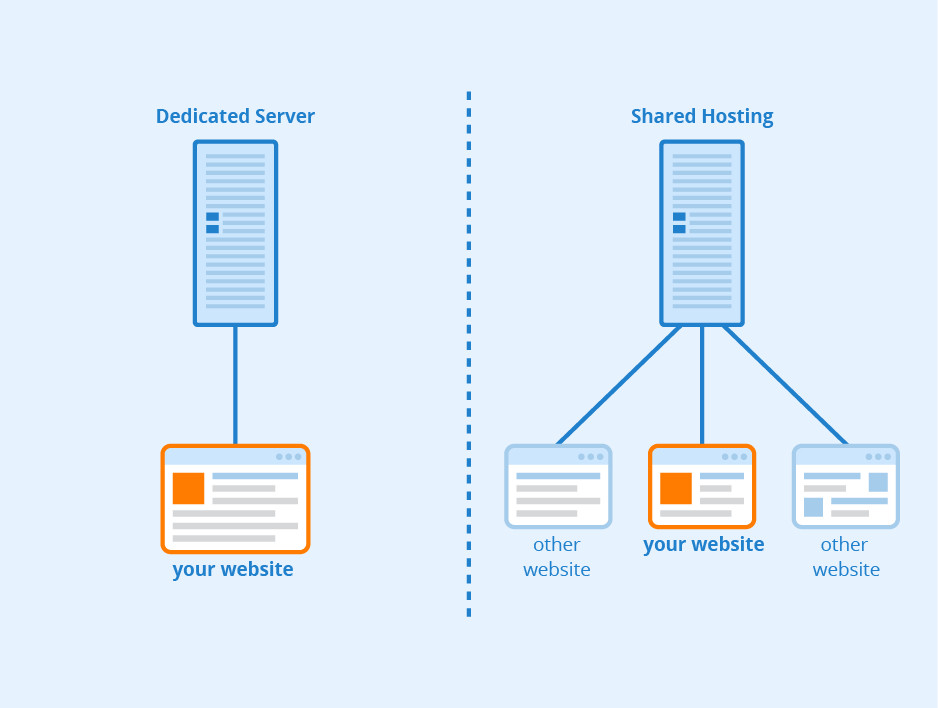
A bare metal dedicated server is a physical server allocated exclusively to a single user. You don’t share resources, and there are no hypervisors or other forms of virtualisation. Bare metal server hosting provides your business with the full processing power of the server, complete customisation, including firmware, and a level of performance and control that cannot be matched by public cloud hosting.
You might hear the term ‘bare metal’ used interchangeably with dedicated servers. The difference between the two is subtle but important. While both involve exclusive server use, bare metal server hosting typically refers to hosting with no virtual layer, giving you direct access to the server’s hardware.
Take BlackBox’s managed cloud services, for example. When hosted on bare-metal servers, they let you configure a private cloud environment for your business while they manage it for you.
Do You Need Bare Metal Servers?
Bare metal servers are ideal when:
- You require hardware-level performance for applications like AI training, video processing, or high-frequency trading.
- Your workload demands complete isolation for compliance, data sovereignty, or regulatory reasons.
- You need to avoid the limitations found in shared or virtualised hosting environments.
- You need custom configurations such as GPU acceleration, NVMe storage, or specific operating systems.
- You’re deploying a platform or product where uptime, latency, and throughput directly impact your business outcomes.
Bare-metal server hosting is ideal for businesses that can’t afford to compromise on infrastructure. From edge computing architectures to live streaming infrastructure, if your workloads demand speed, power, and total control without virtualisation, bare-metal servers can provide the environment you need.
How Bare Metal Servers Can Give You a Performance Edge
Bare metal servers offer a fully customisable infrastructure backed by real people and real service. Most enterprises deploy these servers across industries where performance and reliability matter most. Financial services, healthcare and life sciences organisations, gaming, and media & entertainment businesses are among the industries driving bare-metal server adoption.
If you’re looking to integrate it with existing IT services, you can work with a provider to build a hybrid or clustered setup that aligns with your operational goals. For example, Redpalm managed services offers fully managed IT services that keep your systems secure, efficient, and compliant while you focus on your workloads.
Here are some more benefits of dedicated bare metal servers that can give your business a performance edge:
1. Dedicated Hardware for Unmatched Performance
Without a hypervisor or a virtualisation layer, your applications get 100% of the hardware’s capacity. Running your own physical server delivers faster response times, consistent compute availability, and better performance, especially under heavy load.
2. Absolute Control and Customisation
By deploying bare-metal servers for your critical operations, you get full root and BIOS access, allowing you to control every inch of your environment, including installing a custom OS, configuring GPUs, RAM, and storage, enabling hardware RAID, and optimising your kernel.
3. High-Speed Low-Latency Networking
Depending on configuration, many bare-metal server providers offer 1GbE or 10GbE network interfaces to support real-time processing, fast response times, and seamless delivery.
4. Scalable, Predictable Growth
Bare metal server hosting makes it easy to scale horizontally. This means you can add more physical servers without re-architecting your entire stack.
5. Truly Private Physical Servers
The performance of your business-critical applications and software isn’t impacted by other tenants on your server because you have sole ownership.
From training complex models using GPU-accelerated hardware to running mission-critical SQL, NoSQL, or OLAP systems, bare metal servers help businesses that need maximum performance. If your business relies on uncompromised speed, total control, and physical server isolation, bare-metal hosting is likely the most reliable option for you.
To Conclude
Bare-metal servers give you full control, higher speeds, and top-notch security. These factors make them a preferred choice for businesses that need control over hardware and compliance, as well as predictable performance.
When deployed and used correctly, these servers can sail your organisation through the peaks and valleys of your business operations.
Apart from that, if you want to know more about A Guide to Reducing Operational Expenses for an E-commerce Brand then visit our Business category.